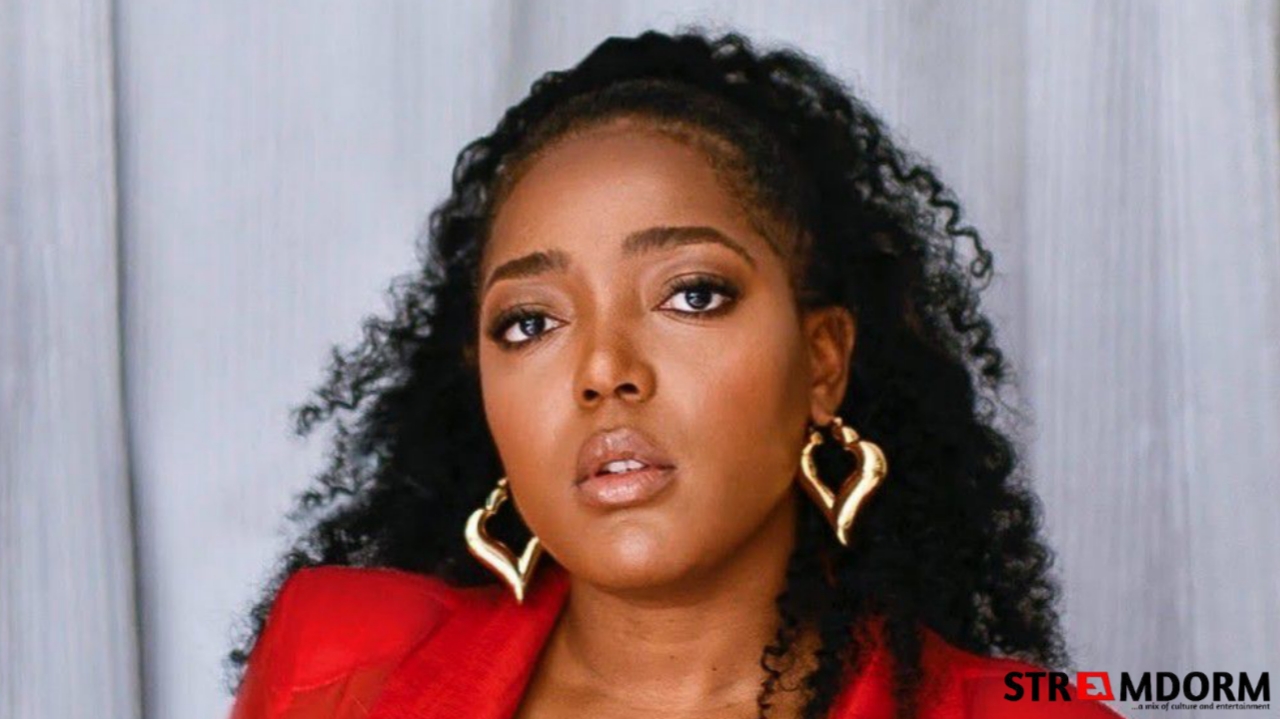
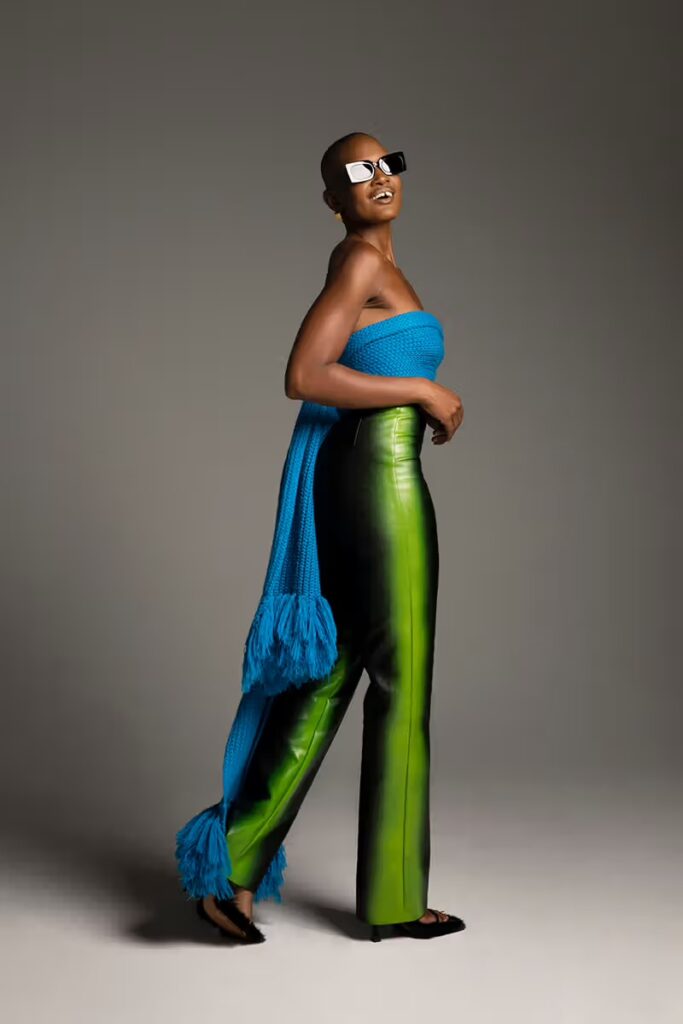
Renowned fashion designer Anifa Mvuemba has announced that she is pausing production at her fashion brand Hanifa after nearly 15 years in the industry. In a statement, Mvuemba said she does not want to “rush just to prove resilience” or “pretend everything is fine just to keep momentum.”
Founded in 2008, Hanifa became known for its bold, innovative designs and inclusivity. The brand gained global attention for its digital fashion shows and creative use of social media, establishing Mvuemba as a trailblazer in the fashion industry. Hanifa has consistently showcased unique silhouettes, vibrant colors, and collections that cater to a diverse customer base.
The decision to pause production comes after a series of challenges for the brand, including manufacturing delays and fulfillment issues. A major annual sale saw delayed shipments, which led to public frustration and criticism on social media. Mvuemba took responsibility for resolving these issues, including offering refunds and personally addressing customer complaints.
Mvuemba emphasized that the pause is not a closure but a period for reflection and creative recalibration. She highlighted the importance of mental health and personal well-being in her decision, stating that she does not want to compromise her vision or the integrity of Hanifa by rushing production.
Hanifa’s production pause reflects broader challenges in the fashion industry, including the pressures designers face to maintain output and the importance of sustainable practices. Mvuemba’s transparency has been widely discussed among fans and industry insiders as a sign of accountability and commitment to long-term creative excellence.
There is a quiet exhaustion that has settled over many young Nigerians, and it rarely announces itself as a crisis. It appears casually in conversations, disguised as humour or sarcasm, but beneath the surface lies something far more structural than a difficult week or a demanding boss. Increasingly, the phrase “I’m tired” is not about physical fatigue. It is about the cumulative weight of economic instability, digital comparison, social expectation and relentless ambition colliding all at once.
In 2026, this exhaustion feels less like an individual struggle and more like a generational condition.
What makes it dangerous is not its intensity but its normalisation. Burnout has become so woven into daily life that it is often mistaken for adulthood itself.
For over a decade, hustle culture has shaped how young Nigerians understand success. The rise of entrepreneurship, personal branding and digital opportunity created a new blueprint for achievement, one that prioritised speed, visibility and constant output. Platforms like Instagram and TikTok amplified this shift by transforming productivity into performance. Success was no longer something quietly built; it was something curated, displayed and measured in real time.
The cultural message was clear: if you are not building, you are falling behind.
In many ways, this mindset unlocked innovation. It encouraged ownership and expanded the idea of what was possible beyond traditional employment. Nigeria’s tech ecosystem, media startups and creative industries have benefited from this surge in self-driven ambition.
However, hustle culture rarely addresses sustainability. When productivity becomes identity, rest begins to feel like a threat rather than a necessity. When ambition is constant, recovery feels indulgent. Over time, this creates a subtle but dangerous equation: worth equals output.
Layered onto this cultural expectation is a challenging economic environment. Rising inflation, increasing food and transportation costs, and currency instability have altered the financial reality for millions of young Nigerians. For many professionals, wages have not kept pace with the cost of living, which creates an ongoing sense of vulnerability.
This vulnerability operates quietly. It shows up in the constant recalculation of expenses, in anxiety about rent renewals, and in uncertainty about long-term savings. Even moments that should feel restful are often interrupted by financial concern.
Social media intensifies this tension by turning success into a daily spectacle. Scrolling through feeds on platforms like Instagram exposes users to curated milestones that appear continuous and effortless. Relocation announcements, startup launches, brand partnerships and property purchases are presented without the full context of debt, failure or emotional strain.
Algorithms reward aspiration, not nuance. They highlight visible wins and compress complex journeys into digestible triumphs.
As a result, comparison becomes less of a conscious choice and more of a psychological reflex. Even individuals who are progressing steadily can begin to feel stagnant when surrounded by amplified success stories. This perception gap drains motivation and reframes normal career timelines as delays.
The widespread desire to relocate has added another layer of emotional complexity. For many young Nigerians, “japa” is no longer framed as a personal aspiration but as a strategic necessity. Stories of migration to Canada, the United Kingdom or Germany circulate widely and often emphasise improved stability and opportunity.
Yet relocation is rarely simple. It involves financial sacrifice, cultural adjustment and professional uncertainty. Even the preparation process can be expensive and emotionally taxing. When staying feels risky and leaving feels uncertain, young people find themselves navigating high-stakes decisions under significant pressure.
This constant evaluation of escape routes contributes to a broader sense of instability. Burnout, in this context, is not simply about overwork; it is about carrying too many life-altering possibilities at once.
Nigeria’s expanding creator economy has opened new pathways for income and influence. However, visibility comes with labour. Content creation requires strategic planning, consistent engagement and ongoing adaptation to platform algorithms. Income streams can be unpredictable, particularly when monetisation systems remain uneven.
For creators, stepping away from digital platforms can feel professionally risky. Momentum is fragile, and relevance often depends on consistency. As a result, rest is frequently postponed or transformed into another calculated decision.
The same tools that promise freedom can create new forms of pressure. Without boundaries, creative ambition easily slides into digital exhaustion.
Perhaps one of the most telling cultural shifts is the redefinition of weekends and downtime. Increasingly, rest is repackaged as optimisation. Time off becomes an opportunity to plan, learn or network. Even self-care is framed as performance enhancement.
The reluctance to label this collective fatigue as burnout reflects lingering stigma around mental strain. Many young Nigerians continue to function outwardly while feeling internally depleted. Because exhaustion is widespread, it is often dismissed as normal.
The burnout crisis among young Nigerians is not rooted in laziness or lack of discipline. It is emerging from the intersection of economic volatility, digital hyper-visibility and societal expectation to achieve early and visibly.
While the challenges facing young Nigerians are structural, there are ways to respond meaningfully and sustainably. Redefining success on personal terms is the first step; prioritizing mental health, financial stability, skill growth, and relationships over public perception helps reduce the pressure to constantly compete. Developing intentional digital habits, such as limiting social media time, curating feeds, and setting offline hours, can alleviate comparison fatigue and cognitive overload.
Financial resilience is equally important; budgeting, building emergency savings, diversifying income streams, and understanding currency risks provide a measure of stability in an unpredictable economy.
Mental health awareness and access through therapy/counselling (which many Nigerians really need), mindfulness, or stress management routines, further strengthen emotional resilience. Intentional rest, consistent sleep routines, physical activity, and lifestyle practices that replenish energy are vital for long-term sustainability.
By combining personal strategies with social support and systemic change, young Nigerians can navigate ambition with clarity, endurance, and balance, ensuring that success does not come at the cost of wellbeing.
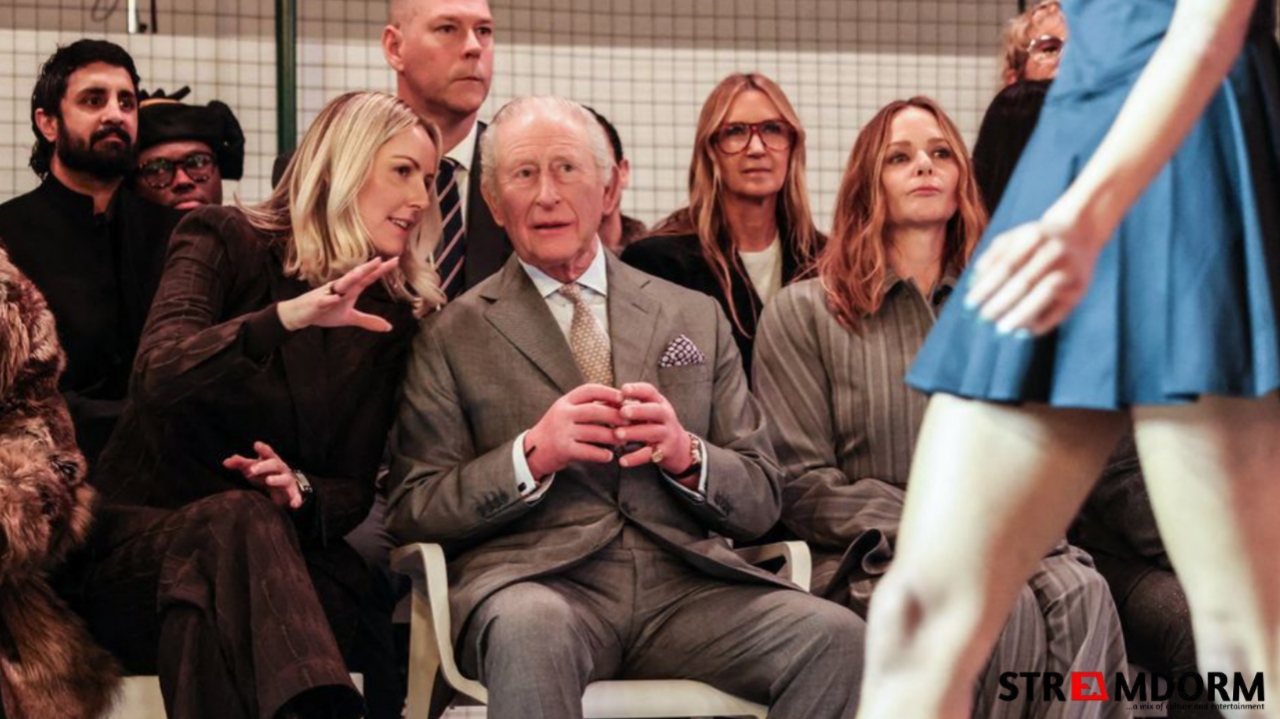
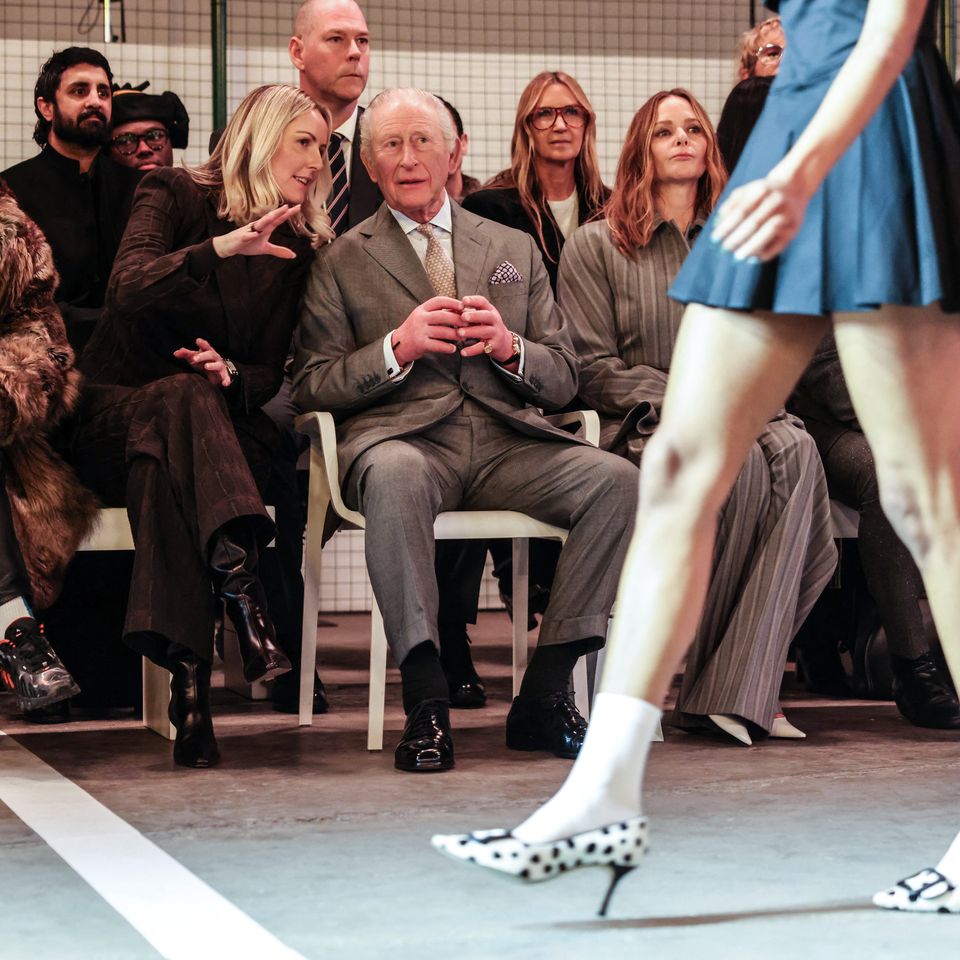
In one of the most unexpected moments of London Fashion Week, King Charles III made a surprise front-row appearance at Tolu Coker’s Fall/Winter 2026 show, instantly elevating the atmosphere inside the venue at 180 Strand.
The monarch’s attendance was not pre-announced, leaving guests, editors, and buyers visibly stunned as he took his seat. According to reports, even Coker herself did not know the King would be present when preparing the collection .
The King’s appearance is being widely interpreted as a strong show of support for British fashion, particularly emerging and independent designers. Charles has long championed sustainability, craftsmanship, and heritage industries, and his presence at Coker’s show aligned with those values.
Tolu Coker, a British-Nigerian designer, is known for weaving themes of identity, migration, heritage, and contemporary London culture into her collections. Her work often blends sharp tailoring with storytelling rooted in personal and diasporic history; a perspective that has steadily earned her recognition within the UK fashion scene.
The King’s appearance came amid major royal headlines involving his younger brother, Andrew Mountbatten-Windsor. On the same day as the fashion show, Andrew was arrested on suspicion of misconduct in public office as part of an ongoing investigation linked to previously released files connected to Jeffrey Epstein. According to multiple international reports, the arrest was carried out by Thames Valley Police at his residence. Despite the unfolding developments, King Charles III proceeded with his scheduled public engagement at London Fashion Week, a move seen as signaling continuity and composure during a turbulent news cycle.
Royal attendance at fashion week is rare and often historic. When a reigning monarch attends a runway show, particularly one led by a rising designer, it reframes fashion not merely as entertainment, but as an important creative industry tied to national identity and economic impact.
For Tolu Coker, the moment could mark a turning point. Royal visibility often translates into international attention, stronger buyer interest, and long-term brand elevation.
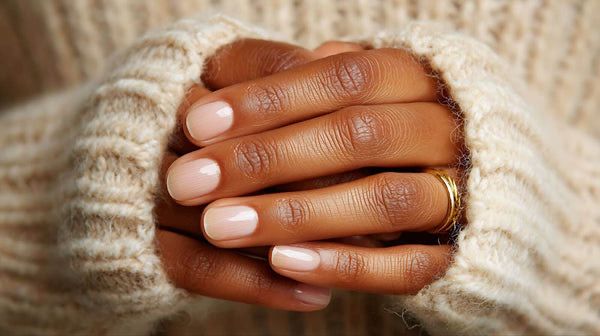
In modern fashion and lifestyle culture, the smallest details often make the biggest difference. While clothing and hairstyles attract immediate attention, nails have quietly become one of the strongest indicators of personal grooming. Clean, healthy nails now represent more than beauty; they signal hygiene, discipline, and self-awareness.
Across Nigeria’s growing beauty scene, nail treatment and care have shifted from occasional luxury to everyday maintenance. Whether someone prefers natural nails, polished finishes, or artistic designs, the focus is gradually moving toward consistent nail health rather than occasional styling.
A few years ago, many people only paid attention to their nails during special occasions. Weddings, birthdays, and major social events were the main reasons for salon visits. Today, social media and grooming culture have changed that mindset.
Daily self-care routines are now widely shared online, encouraging people to maintain neat nails regularly rather than waiting for special moments. Influencers, professionals, and creatives alike are embracing simple grooming habits that contribute to a polished everyday appearance.
This shift reflects a broader cultural change, people are investing in routines that support long-term confidence rather than short-term transformations.
Healthy nails are not only attractive; they also reflect good hygiene practices. Weak or neglected nails can become uneven, or uncomfortable. Frequent exposure to detergents, harsh chemicals, and everyday tasks can gradually weaken nail strength.
Simple treatment habits such as moisturizing cuticles, trimming nails regularly, and avoiding overly aggressive products help maintain durability. Consistent care supports both comfort and appearance.
Nail professionals often emphasize balance; enjoying stylish nail designs while allowing natural nails time to recover between heavy enhancements.
Artificial nails and extensions remain popular, especially within Nigerian beauty culture where creative expression is celebrated. Nail art continues to thrive across social media platforms, with designs becoming part of personal identity and fashion storytelling.
At the same time, minimalist nail trends are gaining attention. Short, clean nails in neutral shades are increasingly popular among students, professionals, and content creators who prefer practical, low-maintenance grooming.
Hygiene remains the most important aspect of nail treatment. Nails can easily collect dirt and bacteria if left unclean or overly long. Regular handwashing, cleaning underneath nails, and sanitizing nail tools help maintain overall health.
Well-maintained nails also influence first impressions. In professional settings, neat hands often communicate attention to detail and personal discipline. Even in casual social spaces, clean nails contribute to a sense of self-respect and confidence.
Consistency matters more than complexity. A basic weekly routine can keep nails strong and presentable without requiring expensive treatments.
Start by trimming nails to a comfortable length and gently filing rough edges. Wash hands thoroughly and apply moisturizer to both hands and cuticles. Allow nails to rest between heavy styling sessions, especially after long periods of wearing extensions or strong polish.
These small habits build long-term nail health and reduce the risk of breakage or discomfort.
Many people unknowingly damage their nails through everyday habits. Using overly harsh chemicals without protection can weaken nail structure. Ignoring dryness can lead to bad nails and painful cuticles. Excessive filing or aggressive removal of nail products may also cause long-term damage.
Another common mistake is prioritizing appearance over health. Constant heavy enhancements without rest periods can leave natural nails weak and sensitive. Balanced routines that combine styling with recovery time help maintain stronger nails.
Beyond grooming, nail treatment has become part of personal wellness routines. Many people now view manicures; whether at home or in salons, as moments of relaxation and mental reset. Small self-care rituals can improve mood, boost confidence, and create a sense of control during busy schedules.
Affordable home manicure tools have made nail care more accessible. With basic knowledge and simple routines, individuals can maintain neat nails without relying solely on professional services.
Male Grooming and Nail Care
Nail care is no longer seen as exclusive to women. Across Nigeria’s urban culture, more men are embracing basic grooming routines that include clean, trimmed nails and moisturized hands. This shift reflects a broader understanding that personal hygiene and neatness are universal standards rather than gender-specific practices.
Male grooming conversations continue to expand, with increasing visibility in fashion, entertainment, and corporate spaces.
As Nigeria’s beauty industry continues to grow, nail care is expected to remain a major part of everyday grooming. Social media education has made nail health knowledge more accessible, encouraging people to adopt sustainable routines that balance creativity with responsibility.
The future of nail care will likely focus on simplicity, consistency, and healthy practices, allowing individuals to express their style while maintaining strong, well-maintained nails.
In a world where details matter, nail treatment and care represent more than surface beauty. They reflect discipline, hygiene, and the everyday habits that build for everyday confidence.
Weekends don’t have to be overwhelming to be fulfilling. In fact, the best Saturdays are often the quiet ones; days designed to recharge, refresh your home, and nurture yourself. Welcome to another weekend, this lifestyle piece is focused on calm weekends, light housekeeping, and simple, mindful pleasures.
Light Cleaning for a Calm Home Environment
Soft Life Saturdays start with easy weekend cleaning routines. This isn’t about deep scrubbing or overhauling your space, it’s about creating a home that feels fresh and breathable.
Focus on:
Making the bed and opening the windows for natural light
Wiping down surfaces and washing dishes
Tidying visible areas instead of full-scale cleaning
Even small housekeeping wins can dramatically boost your mood and make your weekend feel more restful.
Comfort Food: Simple, Relaxed, and Guilt-Free
Weekend meals should feel like a treat, not a chore. Soft Life Saturdays embrace easy, comforting food that nourishes your body and mind.
Try:
A leisurely breakfast instead of rushing into afternoon plans
Simple home-cooked meals you already enjoy
Ordering takeout without guilt
Eating mindfully helps you slow down and fully enjoy the weekend experience.
Move at Your Own Pace
Soft living means listening to your body. Whether it’s a short walk, gentle stretching, or simply staying in bed a little longer, it’s enough. There’s no productivity checklist here; just movement and rest that feel natural.
Create Space for Small Joys
A relaxed weekend leaves room for quiet, joyful moments:
Reading a few pages of your favorite book
Watching a comfort show or movie
Playing music while you tidy or cook
These simple acts of self-care can reduce stress and make your weekend feel intentional, even without a packed schedule.
The essence of Soft Life Saturdays is removing pressure. You’re not behind, and you’re not wasting time. Weekend self-care is essential, not optional, and this gentle approach allows you to recharge for the week ahead.
Paris Fashion Week 2026 has once again reinforced the city’s position as the global capital of fashion, delivering a season defined by creative precision, heritage revival, and refined experimentation. The Fall/Winter 2026 menswear showcases brought together luxury houses, experimental designers, and industry insiders for a week that went beyond trends; pointing clearly toward where modern menswear is headed.
From immersive runway environments to collections rooted in craftsmanship, Paris Fashion Week 2026 reflected an industry in recalibration.
Louis Vuitton opened the week with one of the most closely watched shows of the season. Under Pharrell Williams, the brand presented its Fall/Winter 2026 menswear collection inside an architectural structure known as “Drophaus,” a transparent, house-like installation that blurred the lines between fashion, design, and spatial storytelling.
The collection itself leaned into discreet elegance. Long tailored coats, countryside-inspired textures, softened silhouettes, and muted colour palettes dominated the runway. Rather than relying on bold statements, the emphasis was placed on craft, proportion, and wearability.
Davido and Phyno at Paris Fashion Week
Live orchestral and gospel elements added emotional depth, reinforcing the collection’s restrained yet expressive tone.
At Dior Homme, creative director Jonathan Anderson continued to push the house’s menswear evolution forward. His Fall/Winter 2026/27 collection balanced classic tailoring with artistic eccentricity, playing with proportion, texture, and historical references.
Structured outerwear, sculptural silhouettes, and layered compositions defined the runway. The collection suggested a return to formality without rigidity signaling traditional menswear codes can still feel contemporary, expressive, and intellectually engaging.
Dior’s presentation stood out for its confidence and clarity, reinforcing the brand’s status as one of the most creatively ambitious houses in Paris.
Across the runways and presentations, several clear themes emerged: Designers moved away from exaggerated proportions, favoring clean cuts, long coats, and refined silhouettes that emphasize structure and longevity.
Branding took a quieter approach this season. Muted tones, tactile materials, and thoughtful construction replaced overt logos and visual noise.
Paris Fashion Week 2026 signals a clear shift in menswear. The season reflects an industry moving away from shock value and trend-chasing, and toward intentional design, craftsmanship, and emotional resonance.
The kitchen is the heartbeat of any home. It’s where meals are prepared, memories are made, and the aroma of home-cooked food fills the air. But a kitchen is only as good as the tools you have in it. A poorly equipped kitchen can make even simple cooking stressful, while the right essentials make meal prep faster, safer, and more enjoyable.
Whether you’re moving into your first apartment, upgrading your cooking space, or just trying to be more efficient, having a clear idea of what your kitchen truly needs is crucial. This guide walks you through the essentials, offering tips, practical advice, and insights tailored for readers cooking with local ingredients and appliances.
Cookware That Makes Cooking Enjoyable
The first step to a functional kitchen is investing in cookware that lasts and performs well. A frying pan or skillet is a must-have for everyday meals. Whether you’re frying eggs, akara, or sautéing vegetables, a sturdy nonstick pan or cast iron skillet will make your life easier. Cast iron, in particular, holds heat well and is perfect for high-temperature cooking; like frying plantain or searing meat.
Next, a good saucepan is essential. This versatile pot is used for soups, stews, and boiling rice or pasta. A 2–3 liter size is perfect for most households. For bigger meals, like a large pot of egusi or a family-sized jollof rice, a heavy-bottomed stockpot is ideal. Heavy bottoms prevent burning and distribute heat evenly, which is especially useful when cooking over gas stoves that can have uneven flames.
Baking trays are often overlooked but are extremely versatile. Aside from roasting vegetables or yam, they can be used for baking snacks like meat pies or chin chin. Investing in durable trays saves time and money in the long run.
Always use lids on your pots and pans when possible. It reduces cooking time and saves energy.
Utensils That Make Life Easier
No matter how high-end your appliances are, the right utensils make everyday cooking smoother. Wooden or silicone spoons are gentle on nonstick pans, while spatulas make flipping delicate foods like fried eggs or pancakes simple. Tongs are essential for grilling meat or handling hot foods safely. A whisk is great for mixing sauces or batters, and measuring cups and spoons ensure consistent results every time, whether you’re making rice, cake, or batter for akara.
Keep frequently used utensils in a countertop holder. It’s convenient and keeps your drawers organized.
Knives and Cutting Tools
A sharp, well-maintained knife is perhaps the most important kitchen tool. A chef’s knife is perfect for chopping onions, peppers, tomatoes, and other staple ingredients. A paring knife handles smaller tasks like peeling fruits, while a serrated knife is ideal for bread, yam, or plantain. A good set of cutting boards, separate ones for meat and vegetables; prevents cross-contamination, which is especially important when handling raw meat and fish.
Dull knives are more dangerous than sharp ones. Consider sharpening your knives monthly or visiting local sharpening services to keep them in top condition.
Storage and Organization
A well-organized kitchen saves time, reduces waste, and makes cooking more enjoyable. Airtight containers are a must for staples like rice, beans, garri, and flour, while glass jars are perfect for spices, dried herbs, or snacks like chin chin and puff-puff. Drawer organizers help you keep utensils visible and accessible, and a simple spice rack ensures that your favorite seasoning cubes, thyme, and curry are always within reach.
Label containers with purchase dates. It’s a small step that helps you track freshness and prevents food spoilage.
Appliances That Actually Help
Not all kitchen gadgets are necessary, but certain appliances can make a huge difference. A blender is versatile, whether you’re making smoothies, soups, or blended pepper for stews. A toaster or oven toaster is useful for breakfast or reheating pastries. A kettle comes in handy for tea, coffee, or instant noodles, while a microwave speeds up reheating leftover jollof rice, yam, or baked goods.
Choose energy-efficient models to save on electricity bills, and always check that your plugs and sockets can handle the appliance safely.
Baking Basics You’ll Actually Use
Even if baking isn’t your main focus, having a few tools expands your kitchen possibilities. Mixing bowls in various sizes, a baking pan or cake tin, and a rolling pin are enough to start making cakes, muffins, pizza, or flatbreads. Parchment paper or silicone mats prevent sticking and make cleanup easier.
A single baking tray can serve multiple purposes roasting, baking, or even assembling snacks, helping you save space.
Cleaning Essentials
A clean kitchen is essential for both hygiene and efficiency. Dish soap and scrubbers, microfiber cloths or old clean rags, and trash bags for waste are non-negotiable. Food-safe sanitizers or wipes ensure your prep surfaces remain safe, especially when handling raw meat and fish.
Wipe surfaces immediately after cooking to prevent stains and bacteria buildup.
Extras That Make Cooking Fun
Once the basics are in place, a few extra tools can elevate your kitchen experience. A small herb garden on your window sill allows you to have fresh scent leaves, basil, or parsley whenever you need them. A salad spinner keeps leafy vegetables crisp, while an oil spray allows for healthier cooking. A digital thermometer ensures perfectly cooked meat and poultry, reducing guesswork.
Don’t overwhelm yourself with extras. Start small and gradually add items that suit your cooking style.
By focusing on essentials first and gradually building your kitchen, you can cook more efficiently and enjoy the process. With the right tools, your kitchen becomes a place where meals are easier to make, flavors are better, and cooking is genuinely enjoyable.
Welcome to 2026. Fashion now is all about bold choices, self-expression, and blending style with sustainability. Whether you’re refreshing your wardrobe or looking for your next Instagram-worthy outfit, these top 7 teen fashion trends are perfect for staying on-trend this year.
1. Oversized Blazers
Oversized blazers are back with a bang. They combine casual comfort with chic sophistication. Pair a neutral blazer with skinny jeans, a mini skirt, or even shorts for a look that’s effortlessly stylish. Want to stand out? Try pastel shades like lilac or mint green. TikTok creators are already making oversized blazers a staple in their daily outfits.
2. Y2K Nostalgia
The early 2000s are officially trending. Think low-rise jeans, butterfly clips, sparkly tops, and mini handbags. Y2K fashion is playful, colorful, and perfect for teens who love showing their personality. Mix retro pieces with modern accessories for a fresh take on this nostalgic trend.
3. Chunky Sneakers
Comfort meets style with chunky sneakers. These shoes aren’t just practical; they make a statement. White remains classic, but neon and pastel variations are taking over TikTok feeds. Pair them with skirts, baggy pants, or casual shorts to complete your look.
4. Eco-Friendly Fashion
Sustainability isn’t just a buzzword; it’s a lifestyle. Teens are embracing clothing made from recycled materials, organic cotton, or vintage finds. Eco-friendly fashion not only looks good but also shows you care about the planet.
5. Statement Accessories
This year, accessories are stealing the show. From oversized hats and chunky chains to colorful hair clips and bold sunglasses, accessories can elevate even the simplest outfit. Layering jewelry or experimenting with hats and bags adds a personal touch to your style.
6. Tie-Dye & Pastels
Tie-dye has evolved from summer camp vibes to a full-on fashion statement. Pastel tie-dye hoodies, T-shirts, and sets are trending across social media. Pair with neutral bottoms or layer with a denim jacket for a fun, carefree look.
7. Gender-Neutral Fashion
Fashion is breaking barriers. Oversized shirts, baggy pants, and versatile jackets are no longer limited by gender. Gender-neutral fashion gives teens the freedom to mix and match, focusing on comfort, creativity, and personal style rather than labels.
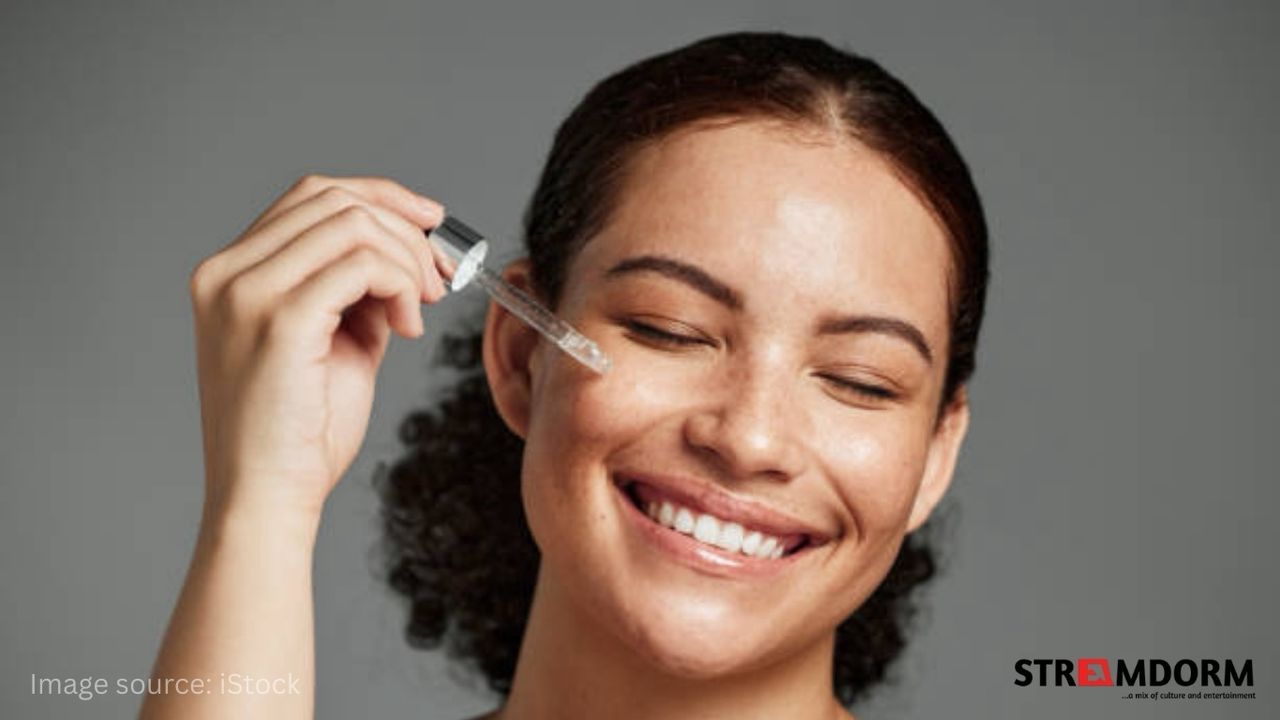
Skincare isn’t one-size fits all. The serum that works magic for someone with dry skin might be too heavy for someone with oily skin, and a product that clears acne for one person could irritate a sensitive face. That’s why choosing the right serum starts with understanding your skin type.
This guide breaks down 7 of the best face serums ever, matched to the skin types they suit best. No hype, no pressure, just pure research to help you make a smarter choice for your routine.
Dry Skin (Deep Hydration)
La Roche-Posay Hyalu B5 Serum
Dry skin needs hydration and this serum focuses on that without feeling greasy. Its blend of hyaluronic acid and vitamin B5 helps the skin feel plumper and more comfortable, especially when dryness makes the face feel tight after washing.
Best for: dryness, tightness, dehydration
Why it stands out: lightweight, gentle, and comforting on the skin
Oily Skin (Shine Control)
The Ordinary Niacinamide 10% + Zinc 1%
Oily skin isn’t something to “fix,” but it can be balanced. This serum is popular because it supports shine control and helps the skin look more even without feeling heavy.
Best for: oily T-zone, clogged-looking pores, uneven texture
Why it stands out: affordable, simple formula, beginner-friendly
Combination Skin (Balance & Glow)
Beauty of Joseon Glow Serum
Combination skin needs moisture in some areas and lightness in others. This serum offers glow without heaviness, making it easier to balance dry cheeks and oily areas like the forehead and nose.
Best for: dullness, uneven tone, mixed texture
Why it stands out: lightweight glow, gentle BHA for clarity
Sensitive Skin (Calm & Comfort)
Tower 28 SOS Intensive Rescue Serum
Sensitive skin reacts easily, so calmness is the priority. This serum focuses on soothing irritation without harsh exfoliants or strong actives.
Best for: redness, irritation, easily triggered skin
Why it stands out: simple formula built to be gentle
Acne-Prone Skin (Clearer Texture Support)
Drunk Elephant T.L.C. Framboos Night Serum
For acne-prone skin, exfoliation can help clear dead skin buildup on the surface. This product is often used at night and contains mild acids that support smoother texture. A little goes a long way.
Best for: breakouts, rough texture, clogged-feeling pores
Why it stands out: night treatment style; keep usage minimal to avoid sensitivity
Dull Skin (Brightness & Radiance)
SkinCeuticals C E Ferulic
Brightening serums are popular for skin that feels dull or tired. This is praised for helping the complexion look more awake and even. Vitamin C serums like this pair best with sunscreen during daytime routines to protect the skin.
Best for: tired complexion, dark areas, uneven look
Why it stands out: strong reputation and glow-focused results
Mature / Early Aging Skin (Smoother Texture)
Medik8 Crystal Retinal Serum
As skin changes with time, texture and fine lines can become more noticeable. Retinal serums are often used for this, but they should be started slowly to avoid irritation.
Best for: texture changes, uneven tone, early aging signs
Why it stands out: available in different strengths for different comfort levels
There’s no “perfect” serum for everyone but there is a serum that matches your skin’s needs. Start with your skin type, choose one concern at a time, and go gentle. Consistency matters more than having a long routine.
Disclaimer
This article is for general information only and is not medical or dermatological advice. Everyone’s skin is different, so products may work differently for each person. If you have ongoing skin concerns, irritation, or a medical condition, consult a qualified professional or dermatologist before starting new skincare products.
Finding your personal style doesn’t have to be expensive. Many young people feel pressured to keep up with trends or match what they see on social media, but style isn’t about buying everything new, it’s about building a simple wardrobe that fits your life, your budget, and your personality.
This guide breaks down the basic fashion essentials you actually need, how to style them, and how to grow your wardrobe smartly over time.
A Starter Wardrobe
A good starter wardrobe helps you:
Look put-together without trying too hard
Save money by avoiding unnecessary buying
Build confidence in how you look and show up
Create outfits easily instead of stressing every morning
It’s not about dressing to impress others, it’s about owning pieces that make you feel good.
These are simple, affordable items that mix and match easily:
1. Basic Tops
Plain black, white, and neutral T-shirts
A few graphic or personality tees for casual days
Simple shirts for events, school programs, or outings
2. Bottoms That Fit Your Lifestyle
A pair of well-fitting jeans (blue or black)
Casual shorts (for everyday wear)
Joggers or cargo pants (comfortable but stylish)
Tip: Fit matters more than price. If it fits nicely, it looks good.
3. Footwear You Can Rely On
Sneakers for everyday use
Simple sandals or slides
One cleaner pair for outings, events, or family functions
You don’t need 10 shoes – 3 versatile pairs can cover most situations.
4. Light Layers
A hoodie or sweatshirt
A denim or simple bomber jacket
Layers make outfits look planned even when they’re simple.
5. Accessories
Wristwatch (basic)
Cap
Simple bag/backpack for daily use
Accessories aren’t about flexing, they just complete your look and make it feel organized.
How to Build Style Without Following Every Trend
If a trend fits your taste, go for it but don’t feel pressured to change your entire wardrobe every month. Instead:
Start with basics, then add trend pieces slowly
Choose items you can wear more than once
Don’t buy something only because others like it
Style is personal not a competition.
Wear what feels comfortable and true to you
Build slowly: 1–2 pieces at a time is enough
Don’t compare yourself to influencers their wardrobe isn’t your standard