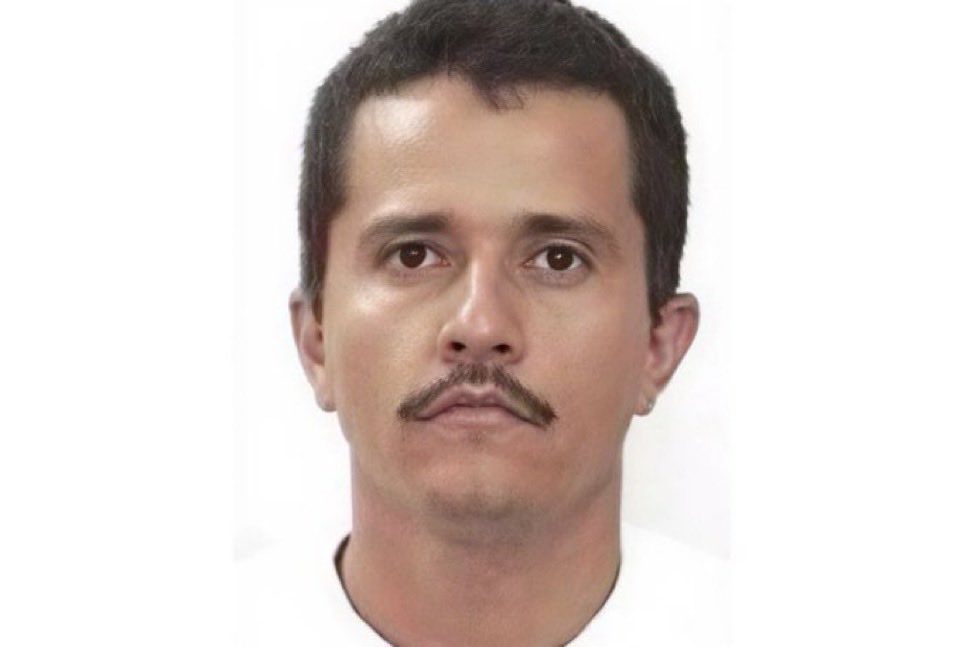
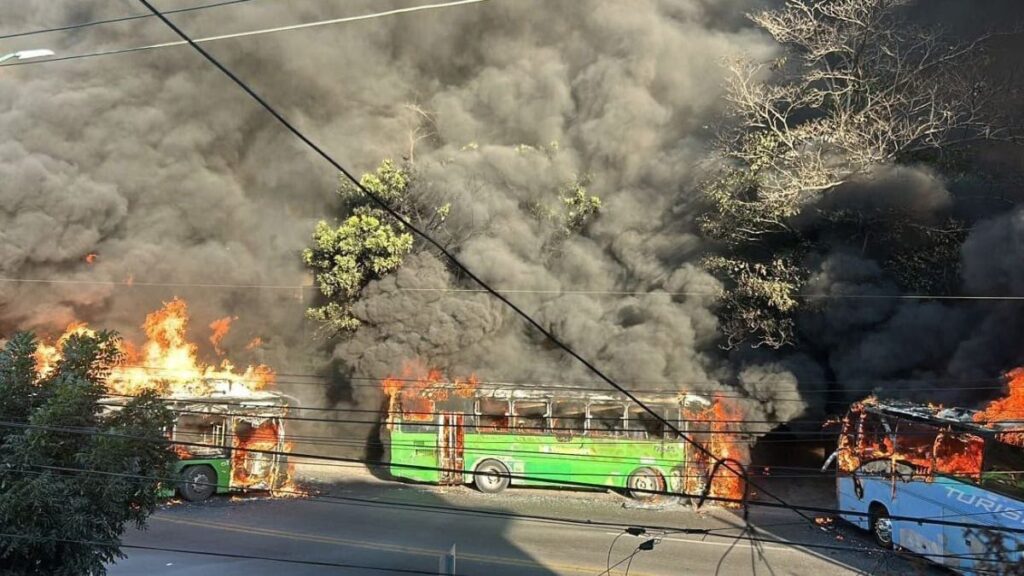
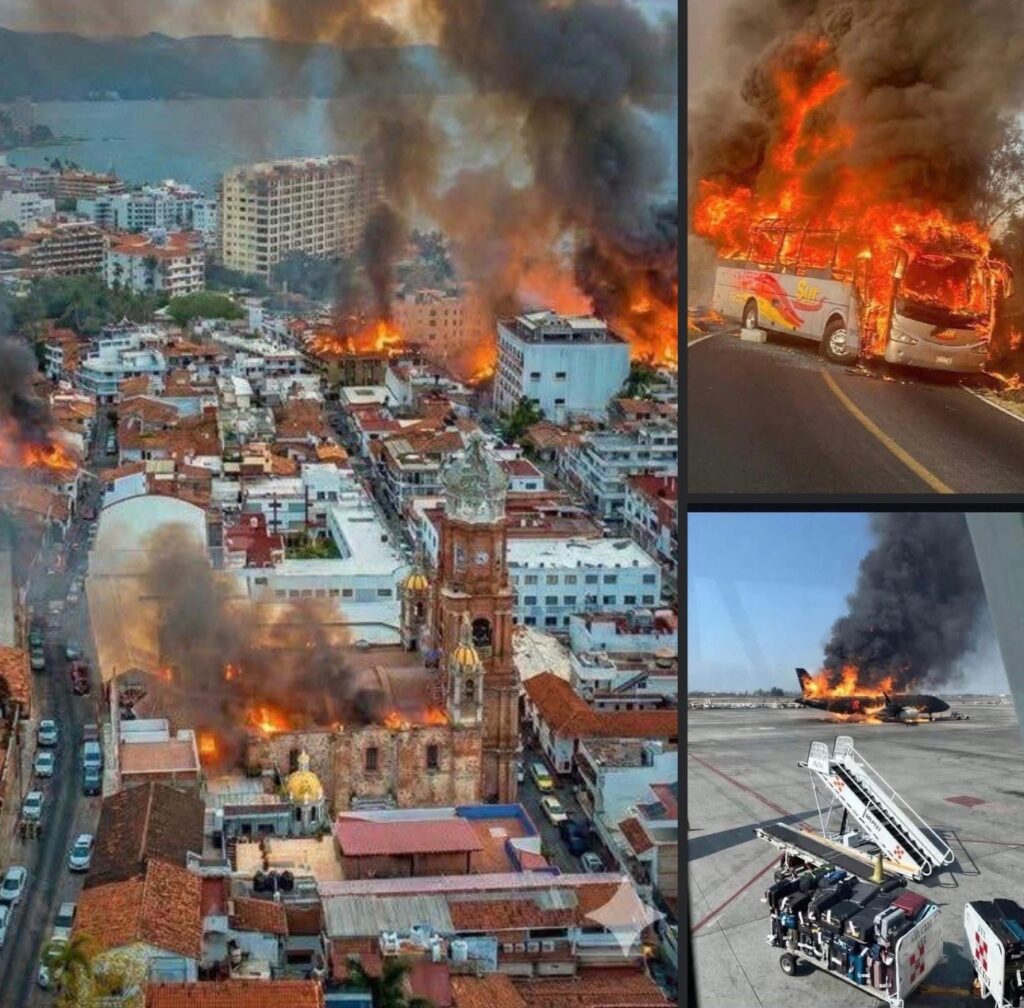
On 22 February 2026, Mexican security forces successfully killed Nemesio “El Mencho” Oseguera, the notorious leader of the Jalisco New Generation Cartel (CJNG), one of the country’s most powerful and dangerous criminal organizations. The operation, while a significant victory for law enforcement, immediately triggered a wave of violent retaliation across several states, drawing global attention just months before the 2026 FIFA World Cup.
The city of Guadalajara, one of Mexico’s main World Cup host cities, experienced some of the most intense unrest. On the night of 22 February and the following days, residents reported blocked roads, burned vehicles, and suspended public transportation as CJNG members clashed with security forces. Airports and highways were temporarily affected, prompting travel advisories from several foreign governments, including the Indian and U.S. embassies, which urged citizens to exercise caution and avoid non-essential travel in affected areas.
The 2026 FIFA World Cup, co-hosted by Mexico, the United States, and Canada, is scheduled to begin in June. Guadalajara is slated to host several group-stage matches, which makes the recent unrest a matter of significant concern for both fans and organizers. Despite the chaos following 22 February, FIFA and Mexican authorities have not canceled or relocated any matches.
The immediate effects of the unrest were felt in Mexican football. On 23–24 February 2026, several Liga MX and lower-division matches near Guadalajara were postponed or canceled due to safety concerns. These disruptions highlight the unpredictable consequences of sudden escalations in violence and why authorities are taking every precaution ahead of the World Cup.
Although these local cancellations are limited in scope, they demonstrate the challenges organizers face when hosting international events in regions affected by organized crime.
Mexican authorities have emphasized that the operation against El Mencho aims to restore public safety and dismantle organized crime networks. Security forces continue to patrol major cities and key transportation routes, while the federal government reassures residents and visitors of ongoing efforts to maintain order.
International governments have issued guidance to travelers and their citizens in the country, advising caution in areas affected by cartel retaliation. These advisories, while precautionary, reflect the global attention drawn to Mexico’s security situation ahead of the World Cup.
The CJNG has long been a formidable network, and the sudden elimination of its leader can create power vacuums, triggering temporary insecurity in affected regions. The events of 22 February 2026 and the days following serve as a reminder of how crime, governance, and international events intersect on a global stage.
While the recent unrest has raised legitimate concerns, it is important to note that the 2026 FIFA World Cup remains on schedule in Mexico, with heightened security and ongoing monitoring to ensure that fans, players, and visitors can safely enjoy the tournament unless later updates report otherwise.
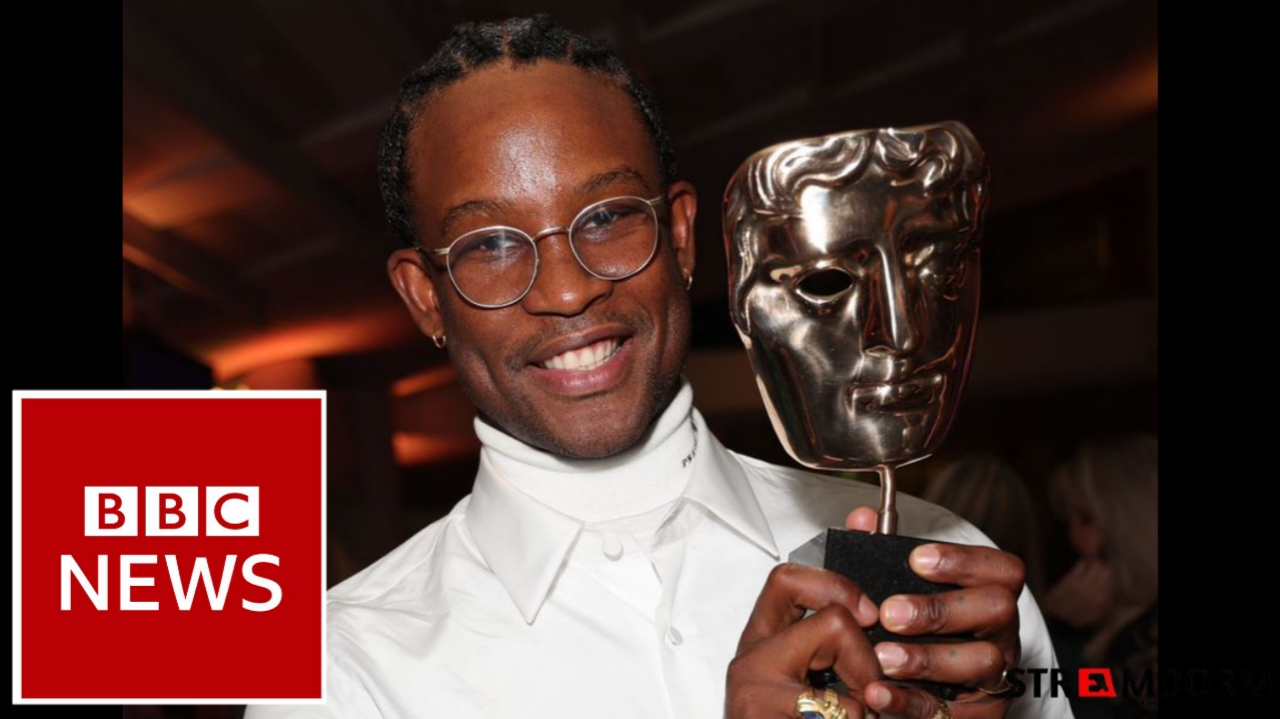
The 2026 BAFTA Awards were full of celebration, but one moment quickly became the center of conversation and controversy. Akinola Davies Jr., the British-Nigerian filmmaker, won the Outstanding Debut by a British Writer, Director or Producer award for his acclaimed film My Father’s Shadow. On stage, his speech was heartfelt, emotional, and politically charged. Yet when the BBC aired the ceremony on television, a key line from his speech, including the phrase “free Palestine” was missing.
The omission has sparked debate online, raising questions about editorial decisions, broadcast priorities, and how political messages are handled in mainstream media.
In his acceptance speech, Davies Jr. highlighted the importance of storytelling, memory, and social responsibility. Speaking to an audience of filmmakers, actors, and guests, he said:
“Archive your loved ones. Archive your stories yesterday, today, and forever. For Nigeria, for London, the Congo, Sudan, free Palestine.”
This line, filled with solidarity and political resonance, was celebrated by the live audience. Yet it did not appear in the version of the ceremony broadcast on the BBC.
The BBC explained that the omission was due to time constraints rather than political reasons. The live ceremony lasted roughly three hours, while the televised broadcast was limited to two. Multiple speeches were shortened across the event to fit the broadcast window. Full speeches, including the unedited version of Davies Jr.’s remarks, are available on BAFTA’s official YouTube channel.
Despite these explanations, critics noted that some other unscripted or controversial moments remained in the broadcast, leaving viewers questioning why Davies Jr.’s politically charged line was cut.
Social media has gone on to highlight these discrepancies. Many applauded Davies Jr. for using his platform to raise awareness for global struggles. Others criticized the BBC for “censoring” a moment that reflected real-world issues.
For many, the incident illustrates the tension between live audience experience and televised broadcast reality. On stage, his words were met with cheers and applause. On TV, millions of viewers missed a portion of that context, altering the perceived impact of the moment.
Watch the Full Speech
If you want the full context, BAFTA typically posts complete acceptance speeches on its official YouTube channel. Watching the uncut version allows viewers to experience the speech as it was delivered, including the line “free Palestine” and appreciate the full power of Davies Jr.’s words.
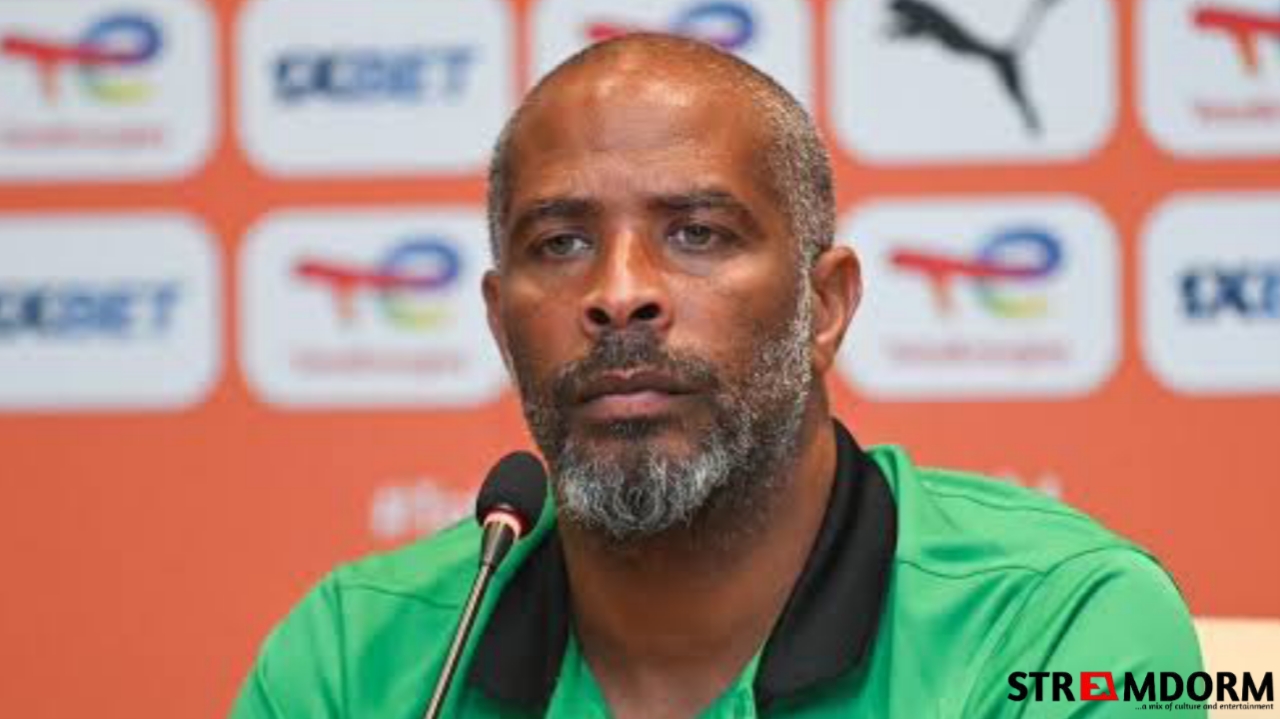
Nigeria’s beloved national football team, the Super Eagles, is facing an unexpected off-field controversy, and it’s not about match results or tournament outcomes. Instead, the spotlight is on head coach Eric Chelle and reports that he requested a $130,000 monthly salary, a figure that has drawn criticism from football stakeholders and fans alike.
According to reports, Chelle, who guided Nigeria to a respectable finish at the 2025 Africa Cup of Nations, submitted a 19-point proposal to the Nigeria Football Federation (NFF), seeking an increase in his monthly salary from $50,000 to $130,000 (about ₦174 million).
But the proposal reportedly went beyond just a pay rise. Sources say Chelle’s package included:
A secure official residence with uninterrupted power supply
A private SUV with a driver and security detail
Flight allowances for family members
Autonomy over team selection and friendly matches
Salaries for his technical staff and personal assistant
Former Gombe State FA chairman and football administrator Ahmed Shuaibu Gara-Gombe has been one of the loudest critics of the reported package. He warned that the NFF could regret agreeing to such terms.
“The Super Eagles brand elevated Chelle, not the other way around. Demanding such figures at this stage is almost blackmail,” Gara-Gombe said, describing the proposal as excessive and disconnected from the realities of Nigerian football. Via Africa Soccer
Critics argue that such financial expectations could undermine the team’s stability and shift focus away from player development and performance.
The NFF has since denied that Chelle formally demanded $130,000 monthly. According to a federation spokesperson, the figures circulating in the media are speculative and not part of official negotiations.
Whether the reports are exaggerated or accurate, the controversy underscores the tension between perception and reality in Nigerian football governance.
For the NFF, the challenge is clear: negotiate a fair deal, maintain team focus, and preserve public trust. The decisions made now will influence not just the next season, but the long-term direction of Nigerian football.
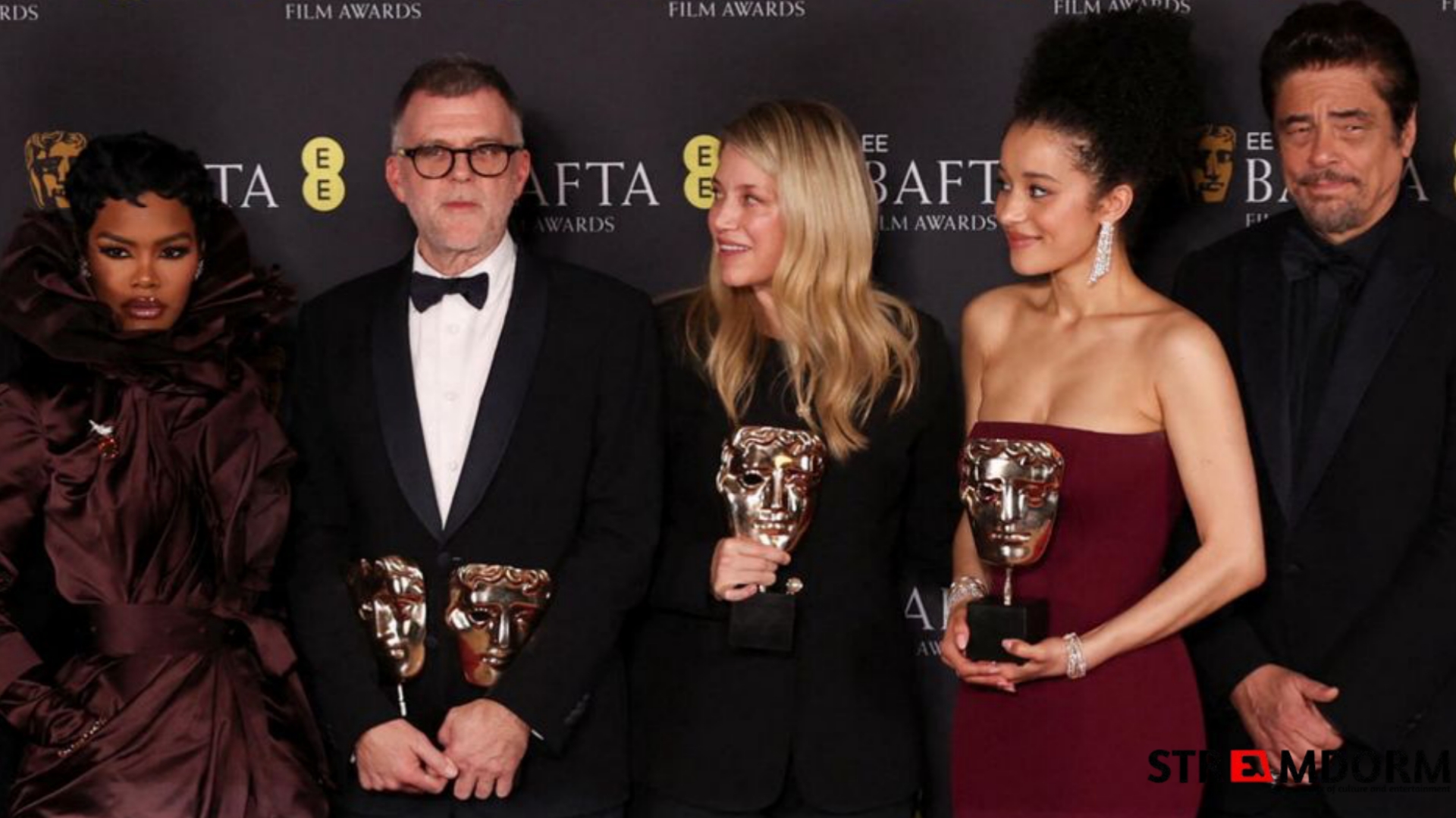
The 2026 BAFTA Film Awards, held on February 22 in London, saw a mix of industry veterans and rising stars take home the night’s most coveted trophies. One Battle After Another emerged as the biggest winner, sweeping both creative and technical categories under the direction of Paul Thomas Anderson.
Here’s a breakdown of the major categories and winners:
Best Film & Director
Best Film: One Battle After Another
Best Director: Paul Thomas Anderson – One Battle After Another
Acting Awards
Best Leading Actor: Robert Aramayo – I Swear
Best Leading Actress: Jessie Buckley – Hamnet
Best Supporting Actor: Sean Penn – One Battle After Another
Best Supporting Actress: Wunmi Mosaku – Sinners
EE Rising Star Award (public-voted): Robert Aramayo
Screenplay & Writing
Original Screenplay: Sinners – Ryan Coogler
Adapted Screenplay: One Battle After Another
Craft & Technical Awards
Cinematography: One Battle After Another
Editing: One Battle After Another
Original Score: Sinners
Sound: F1
Casting: I Swear
Design & Production
Production Design: Frankenstein
Costume Design: Frankenstein
Makeup & Hair: Frankenstein
Visual Effects: Avatar: Fire and Ash
British & International Film
Outstanding British Film: Hamnet
Film Not in the English Language: Sentimental Value
Best Animated Film: Zootropolis 2
Best Children’s & Family Film: Boong
Best Documentary: Mr. Nobody Against Putin
Outstanding British Debut: My Father’s Shadow – Akinola Davies Jr & Wale Davies
British Short Film: This Is Endometriosis
British Short Animation: Two Black Boys in Paradise
Special Honors
Outstanding British Contribution to Cinema: Clare Binns
BAFTA Fellowship: Dame Donna Langley
With multiple wins in both creative and technical categories, One Battle After Another is now a clear frontrunner for the 2026 Oscars, while emerging talents like Robert Aramayo continue to make their mark on international cinema.
The Internet Exchange Point of Nigeria (IXPN) has announced the deployment of new internet infrastructure aimed at significantly improving website loading speeds across Nigeria while strengthening the country’s resilience against cyber disruptions and global network outages.
The announcement was made during the organisation’s 2026 Annual Members Engagement Forum in Lagos, where IXPN executives outlined a strategic push to localise critical components of Nigeria’s internet architecture. At the centre of this upgrade is the deployment of an authoritative Domain Name System (DNS) server within IXPN’s local network; a move expected to reduce latency and enhance stability for millions of internet users.
DNS servers act as the internet’s address book, translating website names into numerical IP addresses that computers use to locate online resources. Until recently, many of these requests from Nigeria were routed to servers located abroad, increasing response times and exposing local connectivity to risks tied to international disruptions. By hosting key DNS infrastructure domestically, IXPN aims to keep more internet traffic within Nigerian borders, reducing delays and improving reliability.
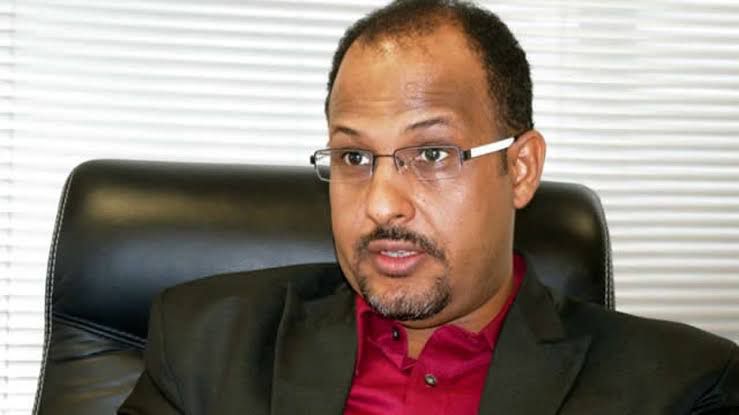
IXPN’s Chief Executive Officer, Muhammed Rudman, described the development as a critical step toward digital sovereignty and operational efficiency. According to him, the newly deployed system is already processing thousands of DNS queries per second, indicating strong adoption and measurable performance improvements across connected networks.
The initiative was executed in collaboration with the Canadian Internet Registration Authority (CIRA), which provided hardware support for the deployment. The partnership ensures that global domain queries can now be resolved more efficiently from within Nigeria’s network ecosystem.
In addition, IXPN confirmed it has entered into a memorandum of understanding with Verisign to host primary DNS infrastructure for major global domains such as .com and .net locally. This arrangement is particularly significant, as it strengthens Nigeria’s ability to maintain access to widely used internet services even during international outages, undersea cable faults, or coordinated cyberattacks targeting overseas infrastructure.
For Nigeria’s growing digital economy, the implications are substantial. Faster DNS resolution translates into quicker website loading times, improved user experiences for streaming and online transactions, and more reliable access for businesses operating in e-commerce, fintech, media, and cloud services. By reducing reliance on foreign upstream providers, the country also lowers exposure to external vulnerabilities that could otherwise disrupt banking systems, government platforms, or critical communications.
Founded in 2006, IXPN operates as a neutral, non-profit interconnection hub that enables internet service providers, mobile network operators, content platforms, and enterprises to exchange traffic locally. Over the years, it has played a central role in keeping domestic internet traffic within Nigeria, cutting bandwidth costs and boosting network efficiency. The latest infrastructure upgrade signals an expansion of that mandate from traffic exchange to deeper control over core internet functions.
As Nigeria continues to position itself as one of Africa’s leading digital markets, investments in resilient infrastructure are becoming increasingly urgent. With cyber threats evolving and data consumption rising rapidly, the ability to localise critical systems is no longer just a technical upgrade, it is a necessity.
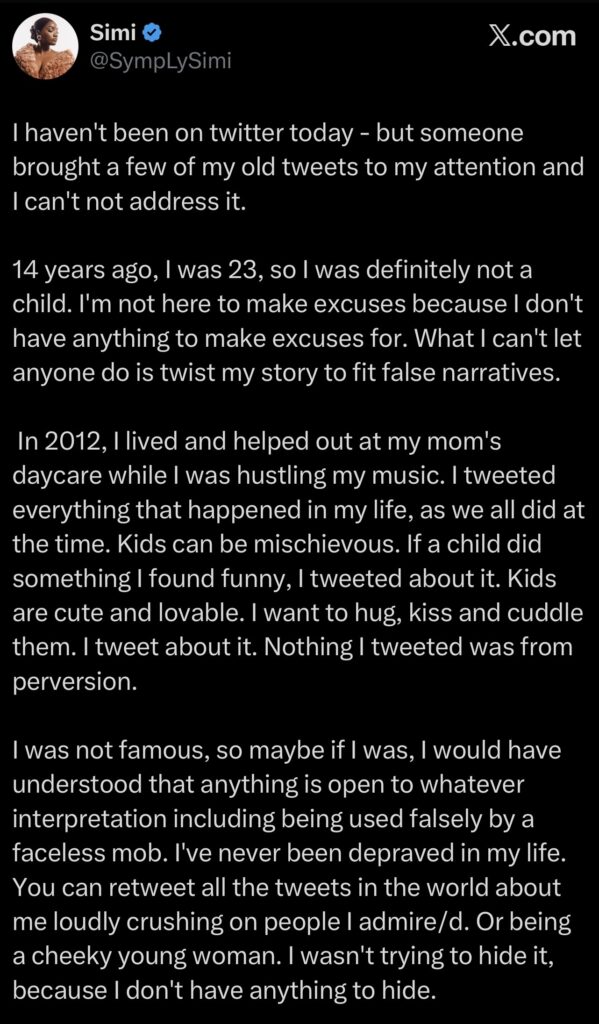
Nigerian singer Simi has responded after several of her old tweets resurfaced online, prompting criticism and debate across social media.
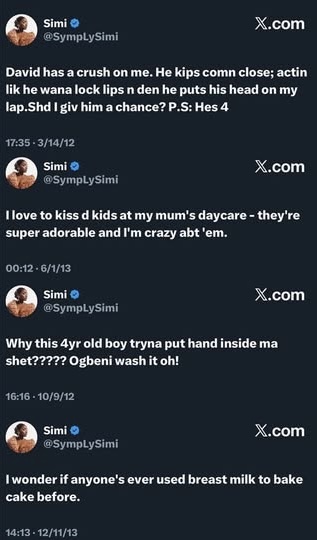
The posts, originally shared between 2012 and 2013, began circulating this week, with some users questioning their wording and intent. The resurfaced tweets referenced children at a daycare where the singer said she once lived and helped out while pursuing her music career.
In a statement posted on X (formerly Twitter), Simi acknowledged the tweets and addressed the growing conversation around them.
“I haven’t been on twitter today – but someone brought a few of my old tweets to my attention and I can’t not address it,” she wrote.
She clarified that at the time of the tweets; approximately 14 years ago, she was 23 years old and assisting at her mother’s daycare. According to the singer, she frequently posted about everyday experiences during that period.
“In 2012, I lived and helped out at my mom’s daycare while I was hustling my music. I tweeted everything that happened in my life, as we all did at the time,” she stated.
Simi explained that the posts about children were expressions of affection or humor and denied any inappropriate intent.
“Nothing I tweeted was from perversion,” she wrote, adding that she would not allow her story to be twisted to fit what she described as false narratives.
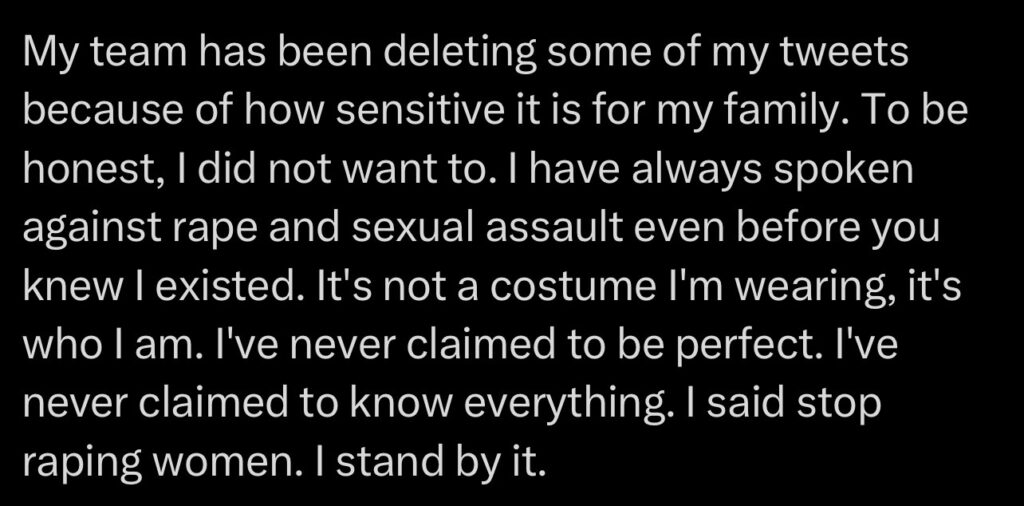
She also disclosed that members of her team have deleted some of the resurfaced tweets due to the sensitivity of the situation for her family. While she said she initially did not want them removed, she acknowledged the broader implications.
The singer further emphasized her history of speaking out against sexual violence.
“I have always spoken against rape and sexual assault even before you knew I existed. It’s not a costume I’m wearing, it’s who I am,” she wrote. “I said stop raping women. I stand by it.”
As of the time of this report, there are no legal allegations linked to the resurfaced posts. The issue remains confined to online discourse and public reaction.
Simi has not issued additional statements beyond her initial response.
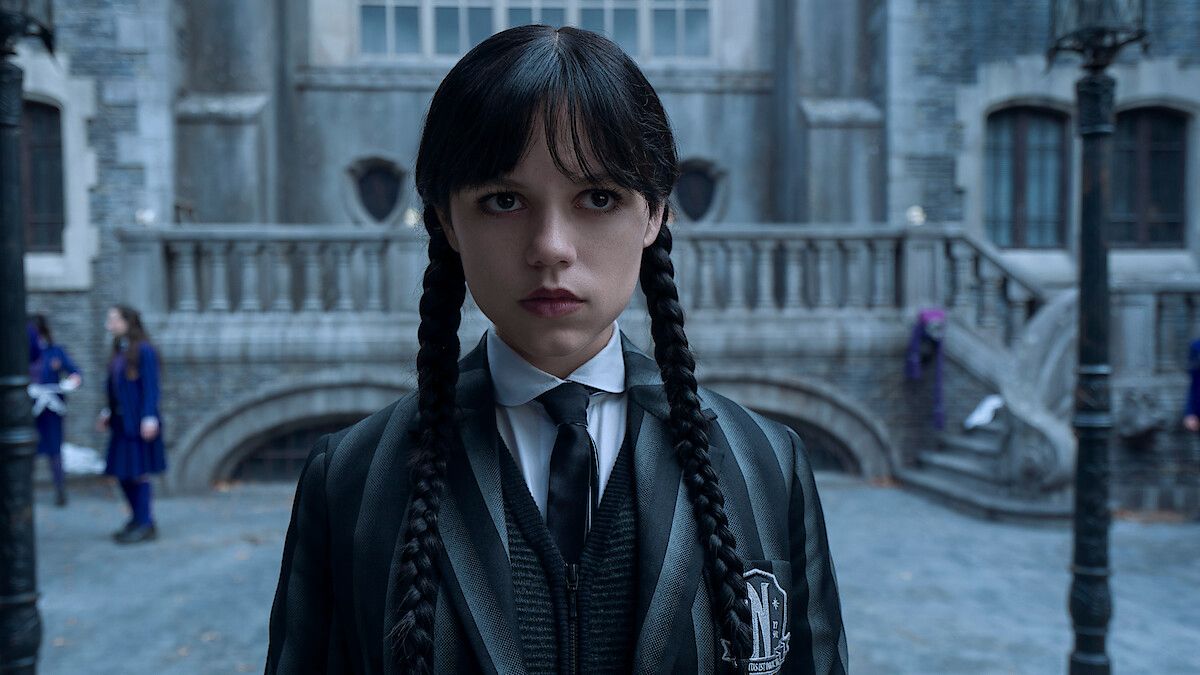
Cameras are officially rolling on Wednesday Season 3 in Ireland, marking the next phase of one of Netflix’s most valuable global franchises. Production has commenced this week, with principal photography underway across Irish locations that previously helped redefine the show’s gothic visual identity.
For a series that quickly became a cultural force, the start of filming is more than routine industry news. It signals expansion.
After relocating production to Ireland in Season 2, the series has kept the country as its long-term creative base. The decision is strategic. Ireland’s atmospheric landscapes enhance the show’s dark tone, while its historic architecture naturally aligns with Nevermore’s gothic aesthetic. The country also offers large-scale studio infrastructure capable of supporting an effects-heavy production.
Over time, Ireland has evolved into part of the show’s visual DNA. The fog, forests, and brooding estates elevate the tone without relying excessively on digital environments. Maintaining the same production base also suggests creative stability. Season 3 is building on a world that already feels defined rather than reinventing it.
A 2026 production start indicates a lengthy shoot ahead. Given the scale of the series; elaborate set design, creature effects, stunt choreography, and complex post-production layering, a 2027 release window appears likely. Netflix has not announced an official premiere date, but the beginning of filming confirms that development is well advanced and that the franchise remains a priority within the company’s global slate.
While no formal casting announcement has accompanied the production update, core members are widely expected to return, including Jenna Ortega, whose performance transformed Wednesday Addams into a generational anti-hero. Ortega’s portrayal, emotionally restrained, razor-sharp, and psychologically layered became central to the show’s breakout success. Season 3 now carries the responsibility of evolving that character without softening her defining traits.
When Wednesday debuted, it functioned as more than a reboot. It repositioned the Addams Family mythology for streaming-era audiences; stylized, culturally resonant, and narratively ambitious. The series balanced gothic horror, satire, teen mystery, and character-driven drama with surprising precision.
Season 3 represents a critical phase in that evolution. The mystery framework must continue to expand without becoming repetitive. The world may need to stretch beyond Nevermore while maintaining tonal consistency. The mythology must deepen without losing accessibility.
Nevermore’s gates are open again. And this time, expectations are even higher.
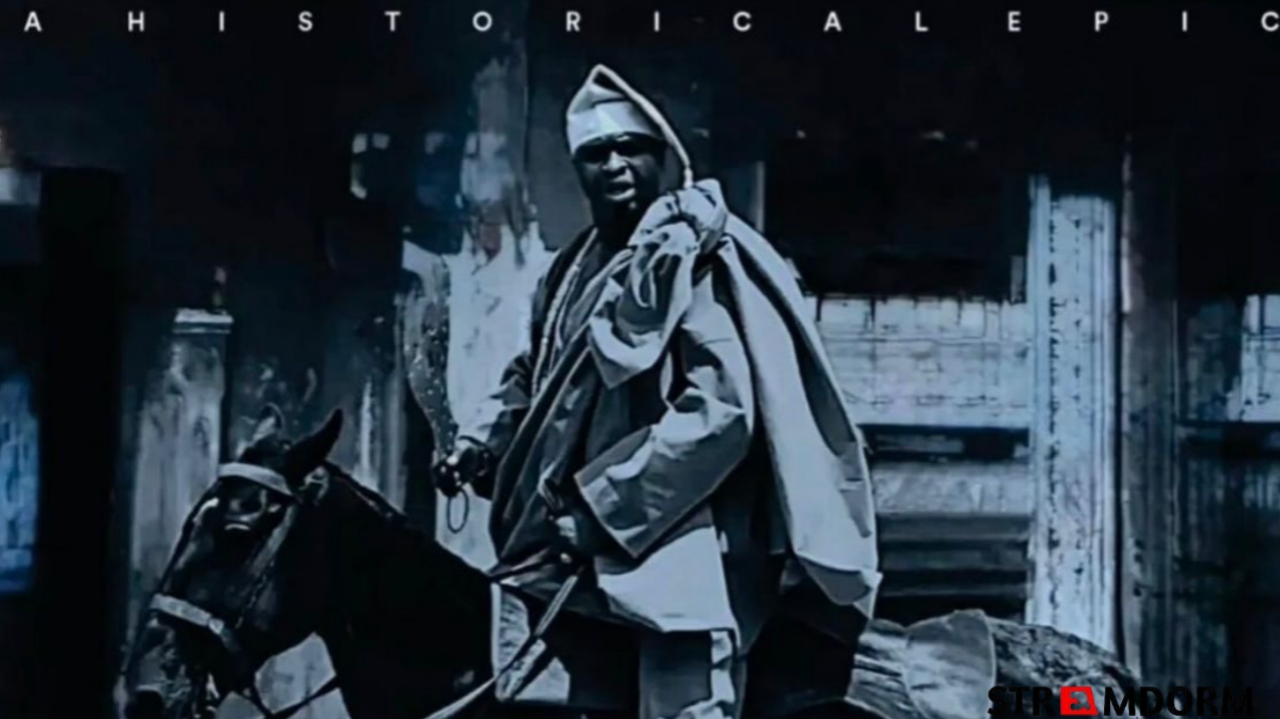
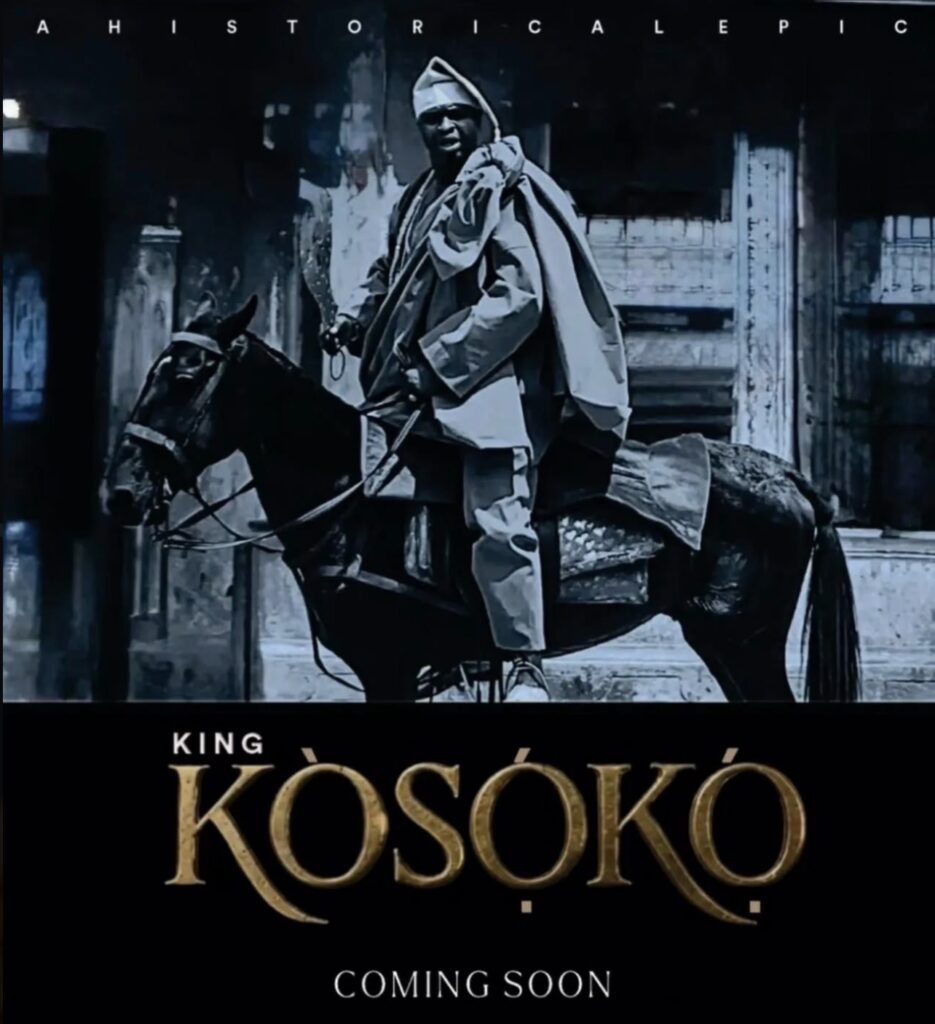
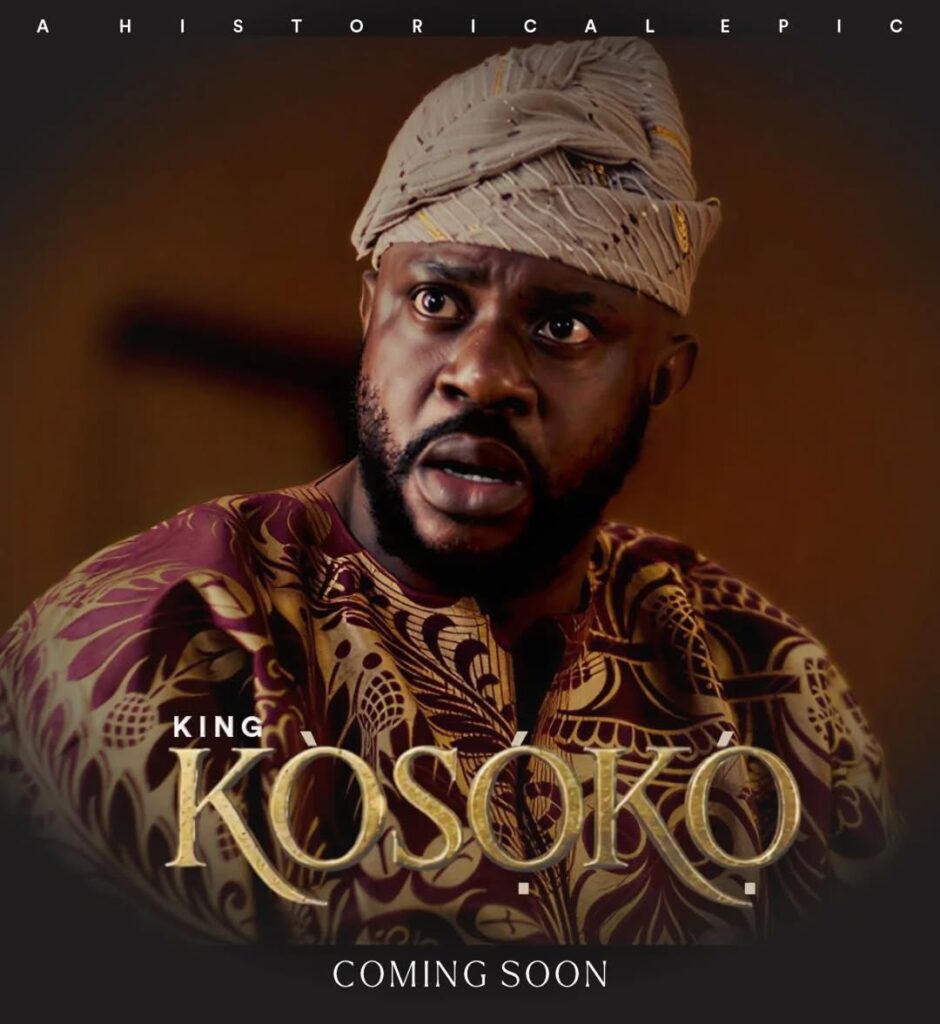
Nollywood’s historical renaissance is showing no signs of slowing down. With large-scale productions increasingly revisiting Nigeria’s pre-colonial and early colonial past, a new epic is now commanding attention: King Kosoko: The Battle for Lagos.
Set for release in 2026, the film dramatizes the turbulent reign of Oba Kosoko, who ruled Lagos between 1845 and 1851. His leadership unfolded during one of the most decisive moments in the city’s history; a period marked by political rivalry, resistance, and eventual confrontation with British colonial forces.
Historically, Oba Kosoko’s reign was defined by internal succession disputes and mounting tensions with the British, who sought to expand their influence along the West African coast.
The 1851 bombardment; often linked to what is known as the “Salt Water War” (Ogun Olomiro), became a turning point in Lagos history. The confrontation ultimately paved the way for increased British intervention and would later influence the eventual annexation of Lagos in 1861.
By bringing this chapter to the screen, the filmmakers are revisiting a defining moment in Nigeria’s historical trajectory, one that continues to spark scholarly and cultural discussion.
Award-winning actor Femi Adebayo leads the project in the title role. Known for his commanding screen presence and emotional range, Femi Adebayo’s casting signals the scale and seriousness of the production.
Early promotional materials suggest a performance grounded in authority and intensity; a portrayal likely to balance royal dignity with political defiance.
Joining him is a heavyweight ensemble cast that reflects Nollywood’s upper tier:
Jide Kosoko
Femi Branch
Faithia Williams
Gabriel Afolayan
Odunlade Adekola (in a key supporting role)
The film is directed by Adebayo Tijani, a filmmaker associated with large-scale Yoruba historical storytelling. His previous works include Jagun Jagun and Olori Ogun, both noted for elaborate costuming, stylized battle sequences, and strong cultural detailing.
Producers Ayo Ajayi and Segun Olojo Kosoko are attached to the project, with the latter’s surname drawing attention due to its historic ties to the Kosoko lineage; a detail that has fueled conversations about authenticity and cultural consultation.
King Kosoko: The Battle for Lagos arrives amid a renewed appetite for Nigerian historical epics. Films like Jagun Jagun and Lisabi: A Legend Is Born have demonstrated that audiences are eager for stories rooted in indigenous history, folklore, and resistance narratives.
This resurgence marks an important evolution in Nollywood’s storytelling identity. For decades, contemporary dramas and comedies dominated the industry. Now, filmmakers are investing in: Cultural reclamation, Pre-colonial political narratives, Traditional aesthetics and language and Higher production value
For Nollywood, it represents something bigger: a growing confidence in telling African stories with epic scale and historical depth.
If executed with the care and ambition suggested by its early details, King Kosoko: The Battle for Lagos could become one of 2026’s defining Nigerian films.
Streamdorm will continue to update this story as trailers, confirmed release dates, and additional production details emerge.
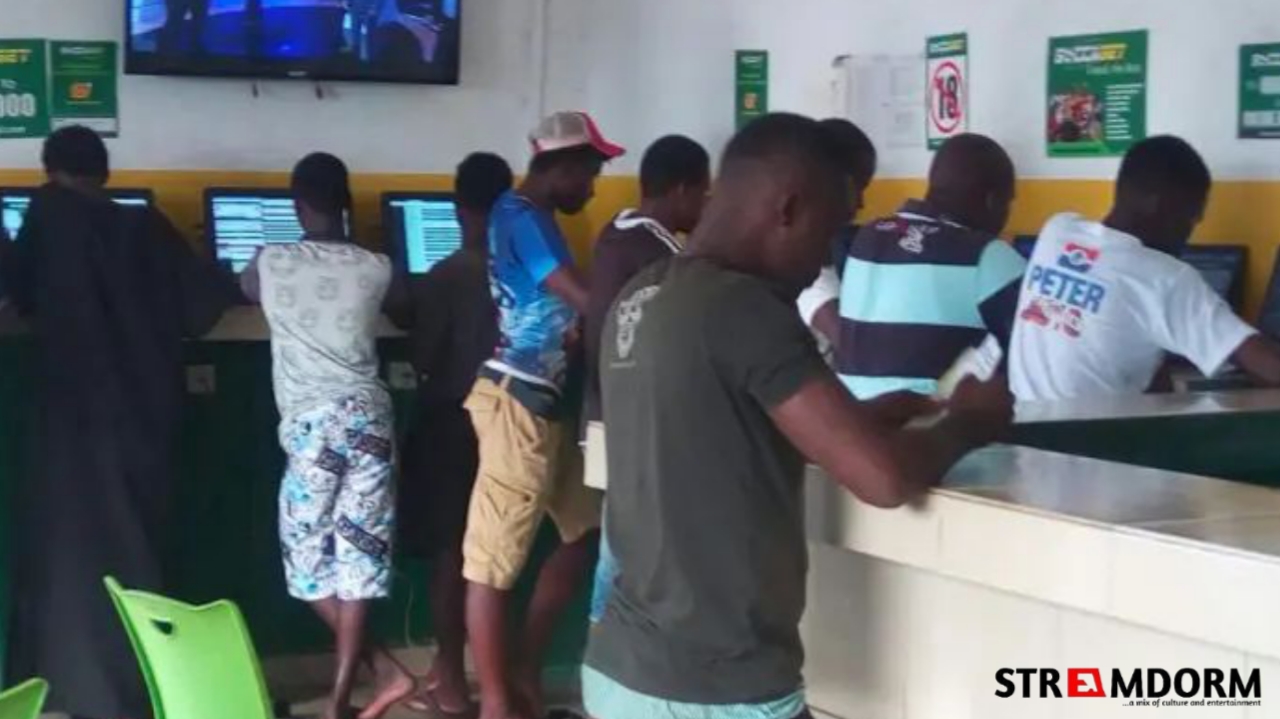
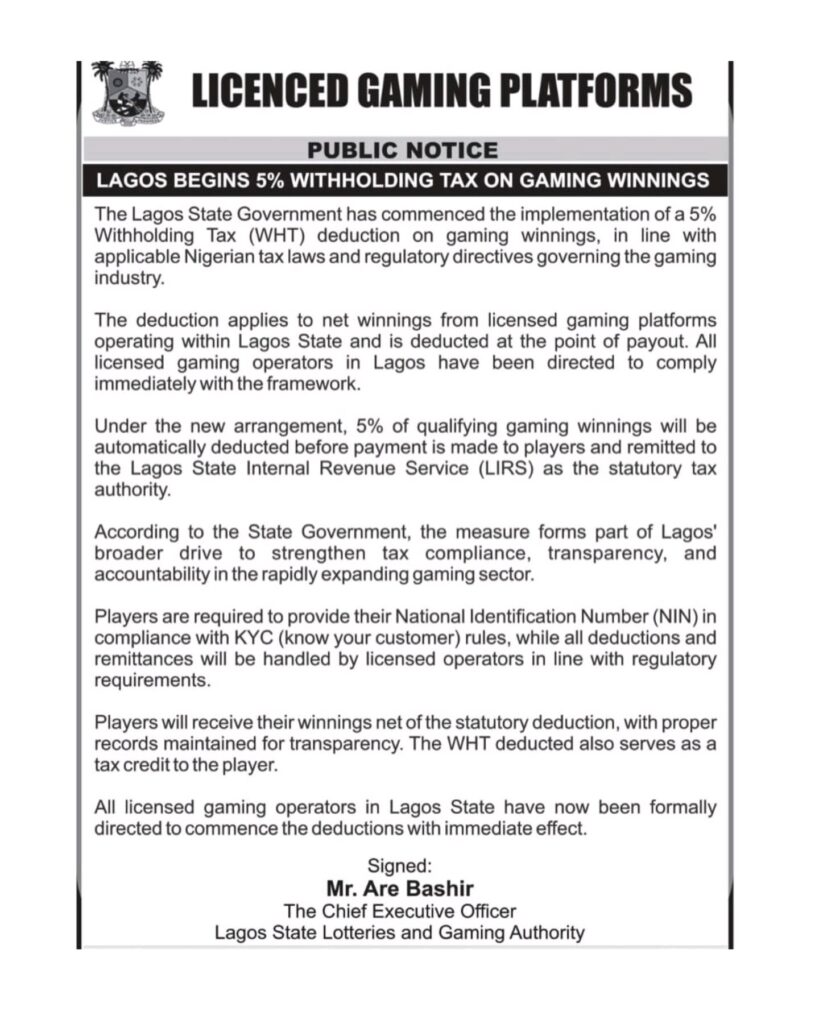
The Lagos State Government has officially begun enforcing a 5% withholding tax on winnings from licensed gaming and betting platforms, marking a major development in Nigeria’s digital gaming sector. The tax is applied to net payouts, meaning players now receive winnings after the deduction.
The move comes as Lagos experiences rapid growth in online sports betting and gaming activities. Millions of bettors participate daily, prompting the government to formalize taxation and ensure the sector contributes fairly to public revenue. The Lagos State Internal Revenue Service (LIRS) has positioned this measure as part of a broader strategy to enhance compliance, transparency, and oversight of digital financial activities.
Under the new rule, licensed operators automatically deduct 5% from all net winnings before payouts. For instance, a bettor who wins ₦100,000 will now receive ₦95,000. Some platforms may also require a National Identification Number (NIN) for identity verification in line with KYC regulations.
The impact is felt across the sector. Licensed operators must update systems to comply with the deduction, while players see reduced payouts but can use the withheld tax as a credit toward personal tax obligations. The government stresses that only licensed operators are affected, leaving unregulated platforms outside the formal tax system.
Industry reactions are mixed. Advocates say the tax formalizes and strengthens the gaming industry, while critics worry it could push bettors toward unlicensed operators. Nevertheless, the Lagos Government maintains that the measure will provide a sustainable revenue stream and improve regulatory oversight.
As Nigeria’s gaming sector continues to grow, the 5% tax highlights Lagos State’s commitment to regulating the industry, ensuring transparency, and capturing revenue from a digital economy that shows no signs of slowing.
There is a quiet exhaustion that has settled over many young Nigerians, and it rarely announces itself as a crisis. It appears casually in conversations, disguised as humour or sarcasm, but beneath the surface lies something far more structural than a difficult week or a demanding boss. Increasingly, the phrase “I’m tired” is not about physical fatigue. It is about the cumulative weight of economic instability, digital comparison, social expectation and relentless ambition colliding all at once.
In 2026, this exhaustion feels less like an individual struggle and more like a generational condition.
What makes it dangerous is not its intensity but its normalisation. Burnout has become so woven into daily life that it is often mistaken for adulthood itself.
For over a decade, hustle culture has shaped how young Nigerians understand success. The rise of entrepreneurship, personal branding and digital opportunity created a new blueprint for achievement, one that prioritised speed, visibility and constant output. Platforms like Instagram and TikTok amplified this shift by transforming productivity into performance. Success was no longer something quietly built; it was something curated, displayed and measured in real time.
The cultural message was clear: if you are not building, you are falling behind.
In many ways, this mindset unlocked innovation. It encouraged ownership and expanded the idea of what was possible beyond traditional employment. Nigeria’s tech ecosystem, media startups and creative industries have benefited from this surge in self-driven ambition.
However, hustle culture rarely addresses sustainability. When productivity becomes identity, rest begins to feel like a threat rather than a necessity. When ambition is constant, recovery feels indulgent. Over time, this creates a subtle but dangerous equation: worth equals output.
Layered onto this cultural expectation is a challenging economic environment. Rising inflation, increasing food and transportation costs, and currency instability have altered the financial reality for millions of young Nigerians. For many professionals, wages have not kept pace with the cost of living, which creates an ongoing sense of vulnerability.
This vulnerability operates quietly. It shows up in the constant recalculation of expenses, in anxiety about rent renewals, and in uncertainty about long-term savings. Even moments that should feel restful are often interrupted by financial concern.
Social media intensifies this tension by turning success into a daily spectacle. Scrolling through feeds on platforms like Instagram exposes users to curated milestones that appear continuous and effortless. Relocation announcements, startup launches, brand partnerships and property purchases are presented without the full context of debt, failure or emotional strain.
Algorithms reward aspiration, not nuance. They highlight visible wins and compress complex journeys into digestible triumphs.
As a result, comparison becomes less of a conscious choice and more of a psychological reflex. Even individuals who are progressing steadily can begin to feel stagnant when surrounded by amplified success stories. This perception gap drains motivation and reframes normal career timelines as delays.
The widespread desire to relocate has added another layer of emotional complexity. For many young Nigerians, “japa” is no longer framed as a personal aspiration but as a strategic necessity. Stories of migration to Canada, the United Kingdom or Germany circulate widely and often emphasise improved stability and opportunity.
Yet relocation is rarely simple. It involves financial sacrifice, cultural adjustment and professional uncertainty. Even the preparation process can be expensive and emotionally taxing. When staying feels risky and leaving feels uncertain, young people find themselves navigating high-stakes decisions under significant pressure.
This constant evaluation of escape routes contributes to a broader sense of instability. Burnout, in this context, is not simply about overwork; it is about carrying too many life-altering possibilities at once.
Nigeria’s expanding creator economy has opened new pathways for income and influence. However, visibility comes with labour. Content creation requires strategic planning, consistent engagement and ongoing adaptation to platform algorithms. Income streams can be unpredictable, particularly when monetisation systems remain uneven.
For creators, stepping away from digital platforms can feel professionally risky. Momentum is fragile, and relevance often depends on consistency. As a result, rest is frequently postponed or transformed into another calculated decision.
The same tools that promise freedom can create new forms of pressure. Without boundaries, creative ambition easily slides into digital exhaustion.
Perhaps one of the most telling cultural shifts is the redefinition of weekends and downtime. Increasingly, rest is repackaged as optimisation. Time off becomes an opportunity to plan, learn or network. Even self-care is framed as performance enhancement.
The reluctance to label this collective fatigue as burnout reflects lingering stigma around mental strain. Many young Nigerians continue to function outwardly while feeling internally depleted. Because exhaustion is widespread, it is often dismissed as normal.
The burnout crisis among young Nigerians is not rooted in laziness or lack of discipline. It is emerging from the intersection of economic volatility, digital hyper-visibility and societal expectation to achieve early and visibly.
While the challenges facing young Nigerians are structural, there are ways to respond meaningfully and sustainably. Redefining success on personal terms is the first step; prioritizing mental health, financial stability, skill growth, and relationships over public perception helps reduce the pressure to constantly compete. Developing intentional digital habits, such as limiting social media time, curating feeds, and setting offline hours, can alleviate comparison fatigue and cognitive overload.
Financial resilience is equally important; budgeting, building emergency savings, diversifying income streams, and understanding currency risks provide a measure of stability in an unpredictable economy.
Mental health awareness and access through therapy/counselling (which many Nigerians really need), mindfulness, or stress management routines, further strengthen emotional resilience. Intentional rest, consistent sleep routines, physical activity, and lifestyle practices that replenish energy are vital for long-term sustainability.
By combining personal strategies with social support and systemic change, young Nigerians can navigate ambition with clarity, endurance, and balance, ensuring that success does not come at the cost of wellbeing.