
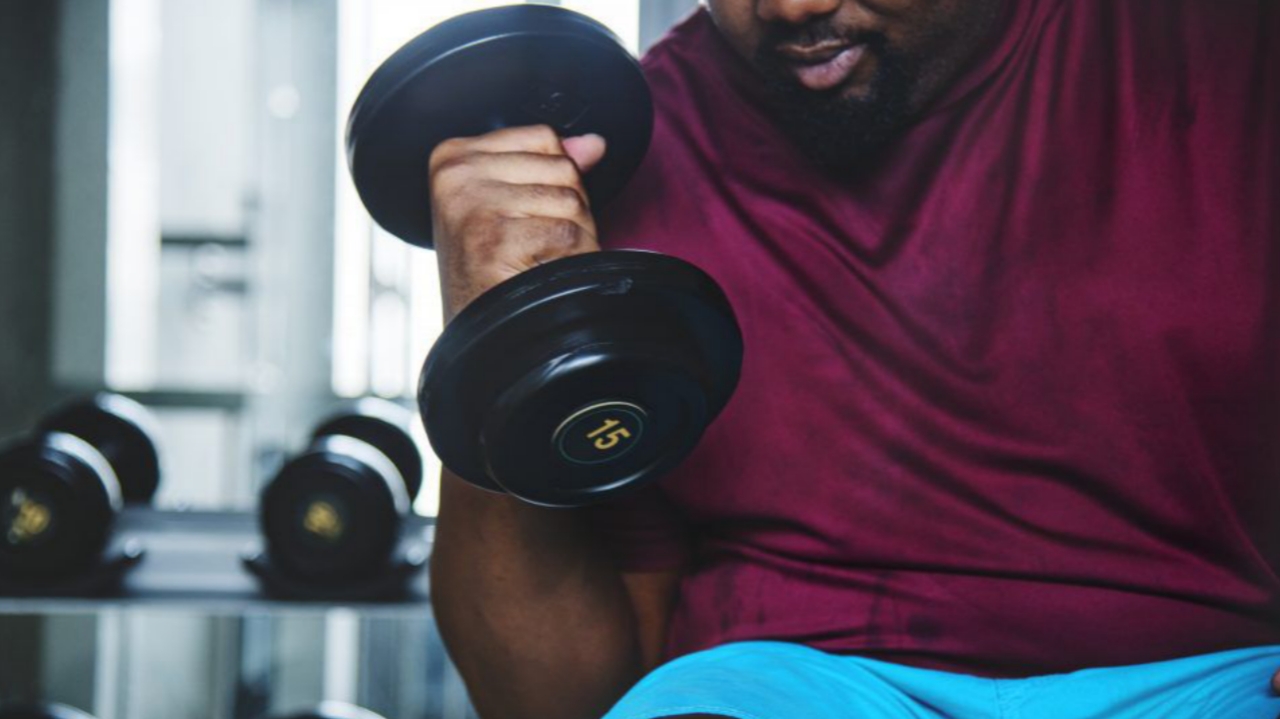
After a solid gym session, what you do next matters just as much as the workout itself. Recovery is about helping your body repair, rebuild, and come back stronger. Whether you’re lifting weights or doing intense cardio, proper post-workout habits can reduce soreness, improve performance, and speed up muscle growth.
Here are five essential things to do after the gym if you want real results.
Refuel Your Body Immediately
Your body burns through energy during workouts, and recovery starts with replacing what you’ve lost. Eating within 30–60 minutes after exercise helps replenish glycogen stores and kickstarts muscle repair.
Focus on a mix of protein and carbohydrates. Protein helps rebuild muscle tissue, while carbs restore energy levels. Think simple meals like rice and chicken, eggs and bread, or even a smoothie with fruits and protein. Skipping this step can slow down your progress and leave you feeling drained.
Hydrate Properly
Sweat isn’t just water, it contains electrolytes (salts and minerals) your body needs to function properly. Rehydrating after a workout helps regulate body temperature, improve circulation, and prevent fatigue.
Water is essential, but after intense sessions, drinks with electrolytes can help restore balance faster. Don’t wait until you’re extremely thirsty, start drinking water gradually right after your workout or as soon as you feel the need even during workout.
Stretch and Cool Down
It’s tempting to leave the gym immediately after your last set, but a proper cool-down is key. Light stretching helps relax tight muscles, improve flexibility, and reduce stiffness later on.
Focus on the muscle groups you worked. Hold each stretch for about 15–30 seconds without forcing it. This simple habit can make a big difference in how your body feels the next day.
Prioritize Sleep
Recovery doesn’t stop when you leave the gym, it continues while you sleep. This is when your body does most of its repair work, releasing growth hormones that rebuild muscle tissue.
Aim for at least 7–9 hours of quality sleep. Poor sleep can slow muscle recovery, reduce strength gains, and increase fatigue over time. If you’re serious about progress, sleep is non-negotiable.
Don’t Ignore Active Recovery
Rest days don’t always mean doing nothing. Light activities like walking, stretching, or low-intensity workouts help improve blood flow and reduce muscle soreness.
This is especially useful if you’re dealing with Delayed Onset Muscle Soreness (DOMS) that stiffness you feel a day or two after a workout. Gentle movement can actually help your muscles recover faster than complete inactivity.
Recovery is where real progress happens. You can train hard every day, but without the right recovery habits, your results will stall. Treat your post workout routine as part of your training and you’ll start to see the difference in both performance and physique.
Disclaimer: This article is for general informational purposes only and is not a substitute for professional medical or fitness advice. Always consult a qualified healthcare or fitness professional before making changes to your workout, diet, or recovery routine especially if you have any underlying health conditions.