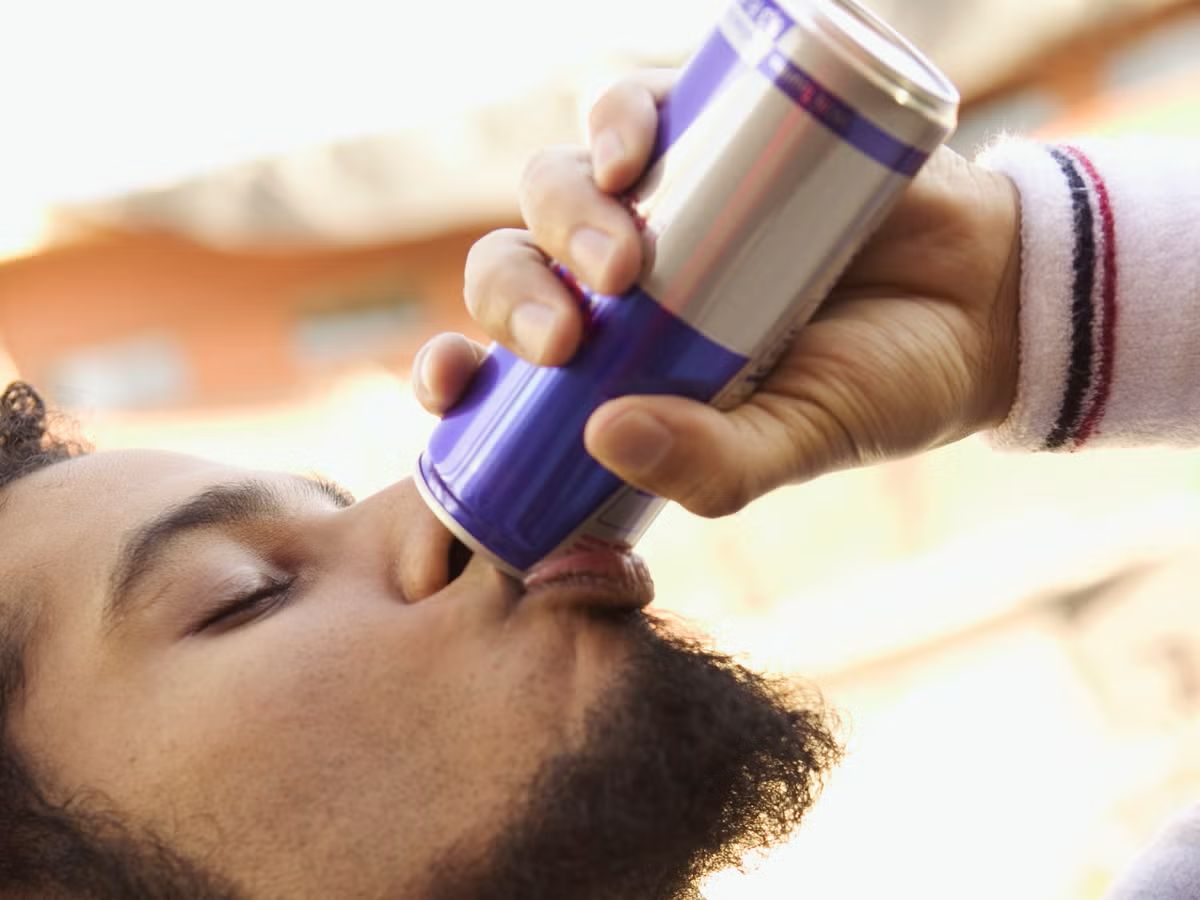
Across Nigeria’s campuses, gyms, gaming lounges, and late-night workspaces, energy drinks have quietly become part of everyday youth culture. They promise instant alertness, improved performance, and a boost strong enough to power through exams, work deadlines, workouts, and nightlife. For many young Nigerians juggling multiple responsibilities.
But beneath the flashy marketing and bold flavours lies a growing public health conversation. Medical professionals and nutrition experts are increasingly raising concerns about how often young people consume these drinks, how early some begin, and how little most consumers actually understand about what they contain.
Energy drinks are not inherently harmful when consumed responsibly, but regular or excessive consumption can come with real health risks, especially for teenagers and young adults whose bodies are still developing. As Nigeria’s youth population continues to grow and health awareness expands, the question is no longer whether energy drinks are popular. The real question is what long-term effects may emerge from a culture built around constant stimulation.
This report explores the hidden health risks, common misconceptions, and what Nigerian youth need to know to make safer decisions.
Energy drinks have surged in popularity over the past decade, driven by aggressive marketing campaigns, celebrity endorsements, and lifestyle branding that links them to productivity, fitness, and nightlife. In major Nigerian cities such as Lagos, Abuja, Benin, and Port Harcourt, they are now widely available in supermarkets, roadside kiosks, gyms, and university campuses.
Many young Nigerians rely on them during late-night study sessions, demanding work schedules, gaming and streaming activities, workouts, long-distance travel, and social outings. Because they are easily accessible and relatively affordable compared to imported supplements, they have become a quick solution for fatigue. During exam periods, some students consume multiple cans daily, while others combine them with alcohol during social events, a trend that health professionals warn against.
The normalization of frequent consumption remains one of the biggest concerns highlighted by public health experts.
Most energy drinks contain a similar mix of ingredients despite differences in branding. High caffeine levels are one of the main components, sometimes equivalent to several cups of coffee. Many brands also include large amounts of sugar, which can exceed recommended daily intake levels. Additional stimulants such as taurine, guarana, and ginseng are commonly added to enhance alertness and perceived performance. Artificial flavours and preservatives are used to extend shelf life and create strong taste profiles that encourage repeated consumption.
The concern lies not only in individual ingredients but in the combined effects and the frequency with which these drinks are consumed.
High caffeine intake can raise heart rate and blood pressure, potentially leading to palpitations, dizziness, or feelings of anxiety. For young individuals with undiagnosed heart conditions or sensitivity to stimulants, the risks may be more significant. Over time, excessive consumption can place strain on the cardiovascular system.
Sleep disruption is another major concern. Many students use energy drinks to stay awake longer, but chronic lack of sleep can weaken memory, reduce academic performance, and increase stress levels. While the drinks may provide temporary alertness, long-term sleep deprivation can negatively affect mental clarity and overall health.
Mental health effects are also being discussed more frequently. Large amounts of stimulants may trigger restlessness, irritability, mood swings, or anxiety-like symptoms in some users. For young people already managing academic pressure or social stress, these effects may worsen emotional wellbeing.
Frequent intake of sugary energy drinks can contribute to weight gain, dental problems, and an increased risk of long-term metabolic issues. Because energy drinks are often consumed quickly, users may not fully realize how much sugar they are taking in.
The growing trend of mixing energy drinks with alcohol adds another layer of risk. Stimulants can mask the feeling of intoxication, causing individuals to consume more alcohol than they intended, which increases the likelihood of impaired judgment and health complications.
Several factors make Nigerian youth more likely to rely on energy drinks. Academic pressure and economic demands often push young people toward quick energy solutions. Hustle culture and the need to balance multiple income streams contribute to irregular sleep patterns. Limited awareness about nutrition labels and the influence of aggressive marketing also play a role. Digital habits and late-night social media use further reduce sleep quality, making stimulant drinks appear necessary for daily functioning.
A widespread misconception is that energy drinks are the same as sports drinks, even though sports drinks are typically designed for hydration during physical activity rather than stimulation. Another belief is that regular gym-goers require energy drinks to perform well, despite the fact that balanced meals and hydration are usually sufficient. Some young people assume that their age protects them from negative effects, yet tolerance to stimulants varies widely from person to person. There is also a growing belief that sugar-free versions are completely safe, even though they may still contain high levels of caffeine and other stimulants.
Health professionals generally encourage moderation and informed decision-making. Being aware of caffeine intake, paying attention to body reactions, and maintaining regular sleep patterns are often emphasized in public health discussions. Experts also caution against combining energy drinks with alcohol and encourage young people to view these beverages as occasional products rather than daily necessities. Natural hydration and balanced nutrition remain the most reliable ways to sustain energy levels over time.
As awareness grows, many experts believe schools and community organizations have an important role to play in educating young people about nutrition and stimulant use. Clearer labeling, responsible advertising practices, and public health campaigns could help consumers better understand what they are drinking. In a country with a large youth population like Nigeria, preventive education could be essential in shaping healthier lifestyle habits and reducing long-term health risks.
Energy drinks have become a defining symbol of modern hustle culture, offering quick stimulation in a fast-paced world. While they may provide temporary boosts in alertness, they also carry potential health risks that many young Nigerians are only beginning to recognize.
The discussion is not about fear or complete avoidance. It is about awareness, moderation, and informed choices. In a generation already navigating academic stress, economic pressure, and digital overload, sustainable habits may offer more lasting energy than any drink can provide.
Disclaimer
This article is for informational and educational purposes only and does not replace professional medical advice, diagnosis, or treatment. Readers are encouraged to consult a qualified healthcare professional regarding any health concerns or before making significant changes to their diet or lifestyle.