Nintendo Sues U.S. Government Over “Unlawful” Tariffs, Request Refund With Interest

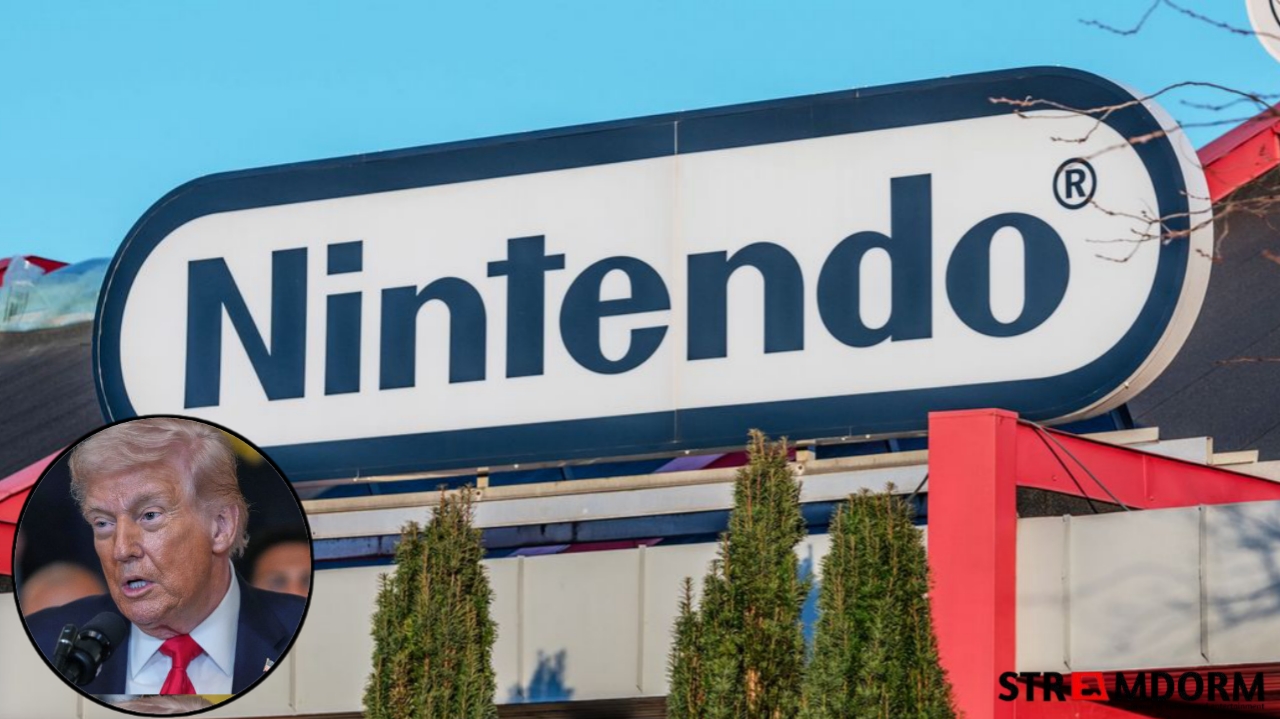
Japanese gaming company Nintendo has filed a lawsuit against the United States government, arguing that tariffs imposed on imported goods during the administration of Donald Trump were unlawful. The company is asking the court to refund the money it paid in tariffs, along with interest and legal costs.

The case was filed at the United States Court of International Trade and focuses on tariffs that were placed on a wide range of imported products, including electronics and components used in gaming hardware.

The duties were imposed using the International Emergency Economic Powers Act (IEEPA), a law that allows U.S. presidents to take economic actions during national emergencies.

However, Nintendo argues that the law does not authorize the president to impose sweeping import tariffs. The company’s argument gained strength after a recent decision by the Supreme Court of the United States, which ruled in February 2026 that the use of IEEPA to impose tariffs exceeded presidential authority.

Following that ruling, companies that paid the tariffs began exploring legal options to recover the money they were required to pay.

Nintendo is now asking the court to order the government to return those funds with interest, arguing that the tariffs were collected without proper legal authority.

Like many global electronics companies, Nintendo relies on manufacturing facilities in Asia for the production of its consoles and accessories.

Many of these products are then shipped to the United States, one of the company’s largest markets. The tariffs increased import costs on those goods, affecting supply chains and raising operational expenses.

Nintendo’s lawsuit is part of a broader wave of legal challenges from companies that were affected by the tariffs.

Since the Supreme Court’s decision, businesses across multiple industries, including retailers, manufacturers, and logistics firms have started filing cases seeking refunds.

Nintendo’s case will now proceed through the Court of International Trade, where judges will determine whether the tariffs were indeed imposed without legal authority and whether companies are entitled to refunds.
Nollywood in Hollywood 2026: Three Nigerian Films Set for Los Angeles Showcase

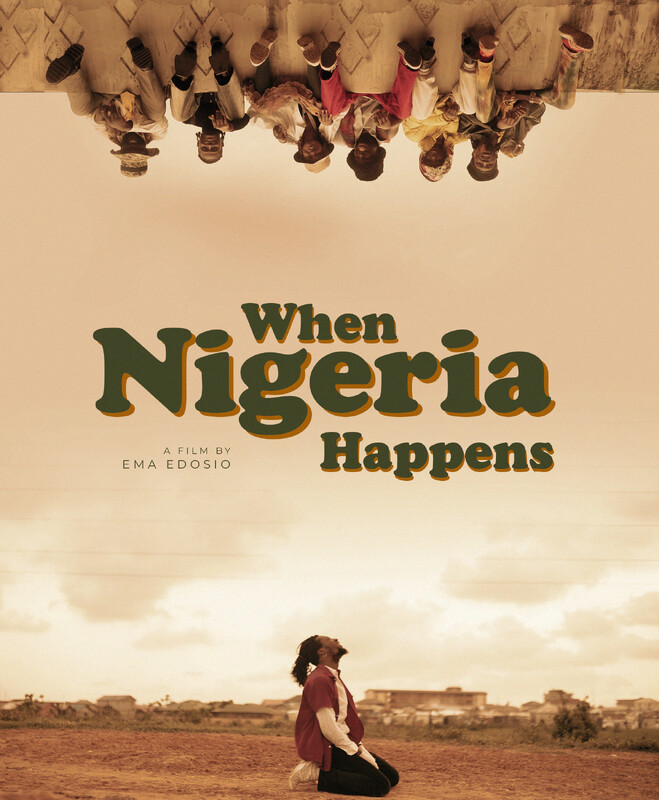
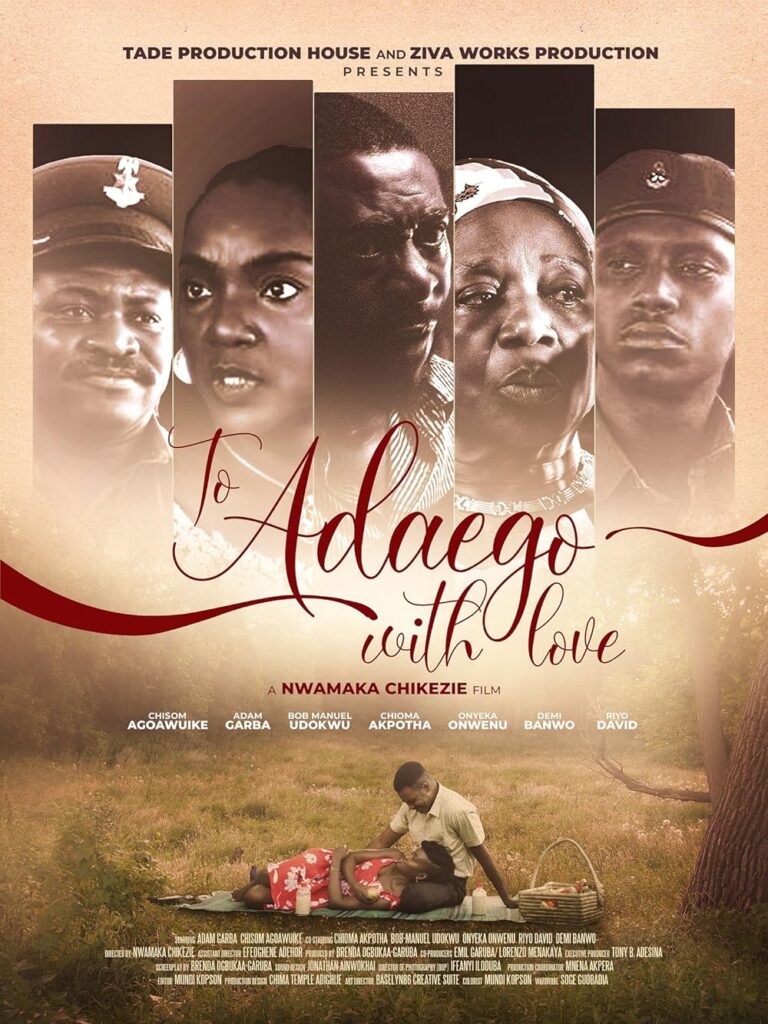
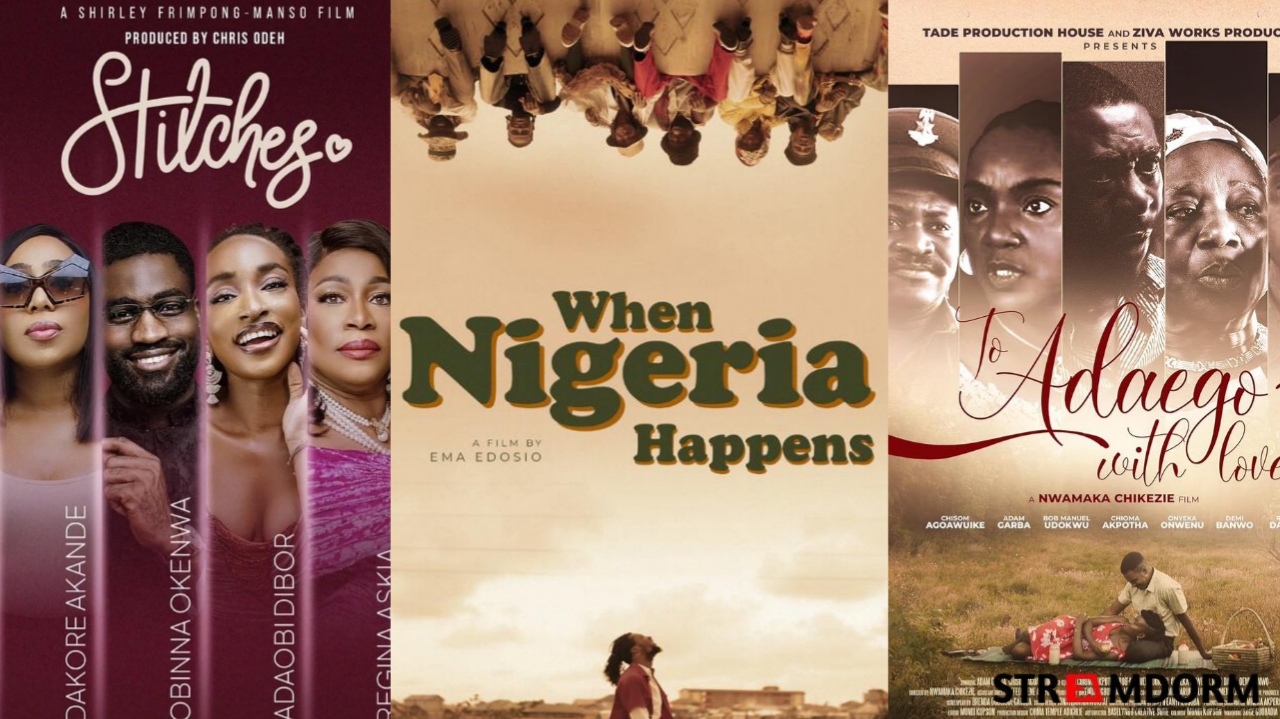
Nigerian cinema will once again take center stage in the United States as the Nollywood in Hollywood showcase returns to Los Angeles starting today, March 6 and 7, 2026, with three films selected for this year’s program: Stitches, When Nigeria Happens, and To Adaego With Love.

The announcement was made during a special screening of My Father’s Shadow at the USC Norris Theatre at the University of Southern California. The event gathered filmmakers, industry professionals, and members of the Nigerian diaspora to preview the upcoming showcase.

Founded in 2018 by Ose Oyamendan, Nollywood in Hollywood was created to introduce Nigerian films to American audiences while encouraging dialogue between filmmakers from both industries.

The 2026 Film Lineup

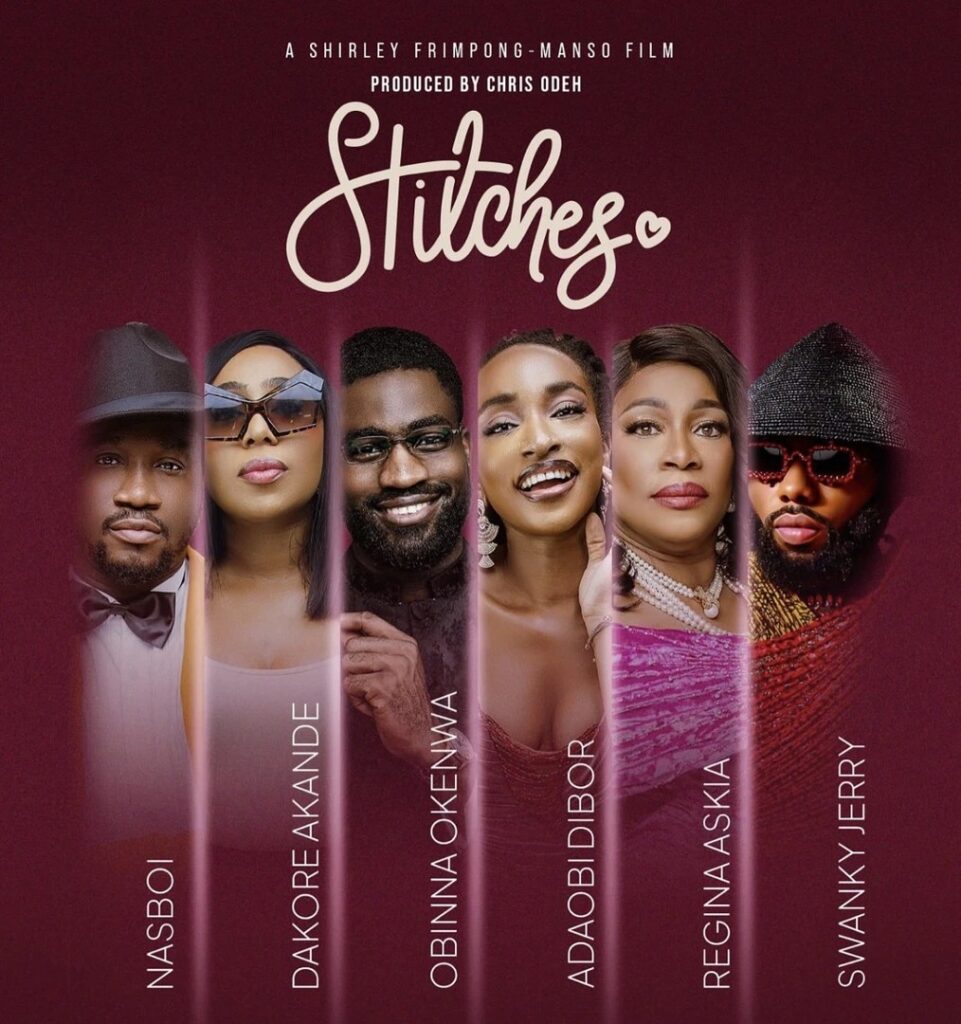
Stitches — March 6

The showcase will open with Stitches, directed by Shirley Frimpong-Manso. The film will premiere on March 6 at the Aero Theatre in Santa Monica.

The romantic drama follows a talented fashion designer from a modest background whose sudden entry into high society exposes her to complicated relationships and long-hidden secrets.

When Nigeria Happens — March 7 (Afternoon)

On March 7, the afternoon screening will feature When Nigeria Happens, directed by Ema Edosio-Deelen, at the Norris Cinema Theatre.

Blending drama with contemporary dance, the film explores the lives of young performers navigating ambition, love, and social expectations in Lagos. Through movement and storytelling, it captures the resilience and creative spirit of a new generation of artists.

To Adaego With Love — March 7 (Evening)

The showcase will close with To Adaego With Love, directed by Nwamaka Chikezie.

Set in post-conflict Nigeria, the film tells the story of an unlikely relationship between a Northern soldier and an Igbo schoolteacher. The narrative explores themes of reconciliation, identity, and the emotional aftermath of conflict.

Since its launch, Nollywood in Hollywood has grown into an important platform for Nigerian filmmakers seeking international exposure. The event includes film screenings, panel discussions, and networking opportunities designed to connect African creatives with industry professionals in the United States.

The 2026 edition is presented in collaboration with American Cinematheque, the USC School of Cinematic Arts, and O2A Media.

By showcasing diverse stories from across Nigeria, the program continues to highlight the evolving voice of Nollywood and its growing influence on the global film landscape.

Written by Amara Awana

Davido Expands 5ive Alive World Tour With New 2026 Dates Across Africa, Europe and the U.S.

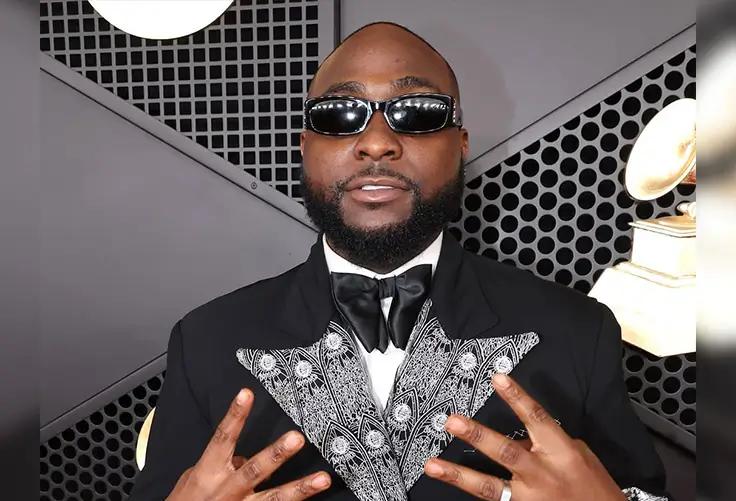
Davido has officially announced additional dates for his ongoing 5ive Alive World Tour, extending the global run into 2026 with new stops across Africa, Europe, and North America. The expansion follows the success of the tour’s earlier legs and continues the Afrobeats star’s worldwide push in support of his 5IVE album era.

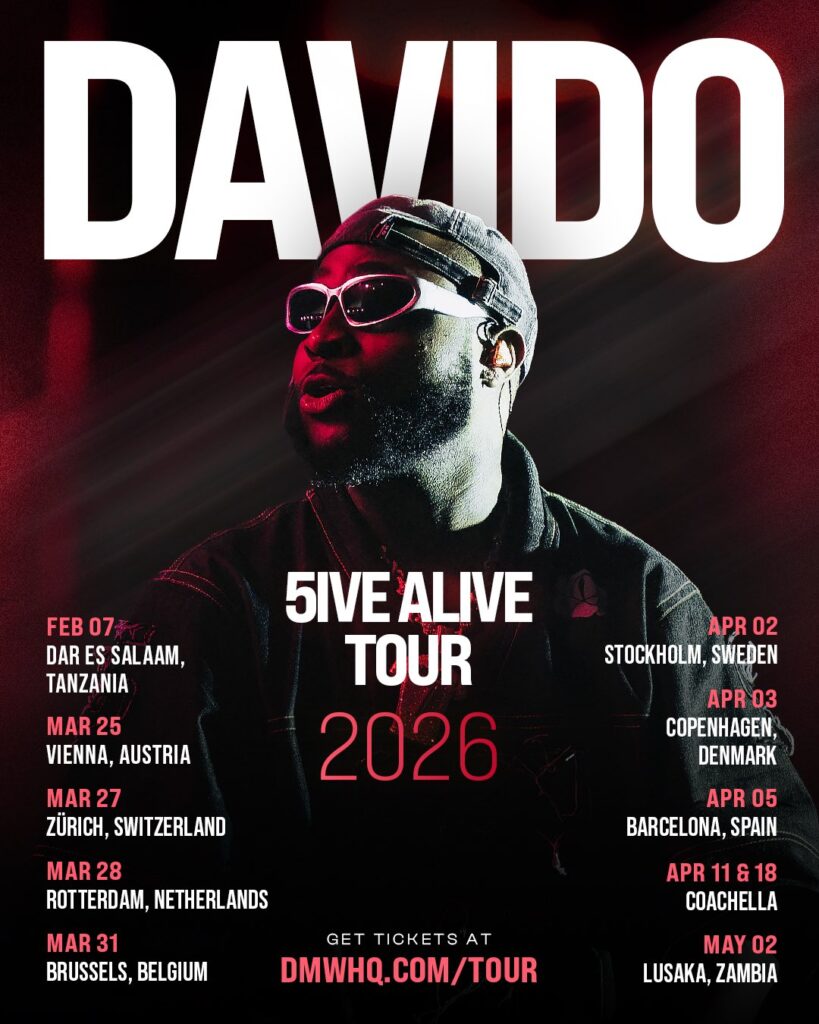
The newly added dates reflect Davido’s growing international demand, with concerts scheduled in major European cities including Vienna, Zurich, Rotterdam, Brussels, Stockholm, Copenhagen, and Barcelona. The tour will also return to Africa with stops in Tanzania and Zambia, while a pair of high-profile festival appearances at Coachella 2026 mark one of the tour’s biggest global highlights.

The announcement positions 5ive Alive as one of Davido’s most ambitious touring cycles yet, combining solo arena performances with festival stages and international fan meetups. Over the past few years, Davido has consistently strengthened his touring presence across Europe and North America, and this latest extension further cements his reputation as one of Afrobeats’ most active global performers.

While some venue details remain limited, the confirmed schedule already signals a packed run of back-to-back shows, highlighting both emerging markets and long-standing fanbases. European audiences will see the singer return to key cities where Afrobeats continues to thrive, while African stops reflect Davido’s ongoing commitment to performing across the continent.

One of the most talked about additions is his appearance at Coachella 2026, where he is scheduled to perform across both festival weekends in April. The festival slot places him among a select group of African artists to reach one of the world’s most visible music stages, reinforcing Afrobeats’ continued crossover into global pop culture.

The expanded 2026 dates for the 5ive Alive World Tour currently include:

  • Tanzania — February 7
  • Vienna — March 25
  • Zurich — March 27
  • Rotterdam — March 28
  • Brussels — March 31
  • Stockholm — April 2
  • Copenhagen — April 3
  • Barcelona — April 5
  • Coachella — April 11 & 18
  • Zambia — May 2

With more dates and venue confirmations expected in the coming months, the 5ive Alive World Tour continues to grow into one of the most extensive Afrobeats touring runs in recent years. For Davido, the expansion represents both a celebration of his current album cycle and a broader statement about the genre’s ongoing global momentum.

TikTok Says Outage Is Resolved After Week of Glitches and Censorship Claims 

Last week, millions of TikTok users in the United States and beyond faced a platform in chaos. Videos refused to upload, feeds stalled, and likes or view counts mysteriously dropped to zero. For many creators, it felt like a technical nightmare but for others, it sparked a deeper suspicion: had TikTok started censoring content?

On February 1, TikTok announced that the weeklong outage had been resolved. The company attributed the problem to a power outage at a U.S. data center, which triggered cascading failures across its servers. In a statement on X, TikTok emphasized that all services were fully restored and that no user content had been removed.

Yet the timing could not have been more sensitive. TikTok recently underwent a major U.S. ownership transition, handing 80% control of its American operations to Oracle, Silver Lake, and MGX, while ByteDance retained a 19.9% minority stake. Some users immediately connected the dots, suspecting the outage and glitches were a cover for content suppression, particularly around political topics like immigration enforcement.

While TikTok insists the disruptions were purely technical, the perception of censorship spread rapidly online. High-profile creators even deleted their accounts in protest, questioning whether algorithm changes under new ownership were quietly reshaping the platform’s content visibility.

The outage, while temporary, had tangible effects. Creators worried about lost engagement and interrupted monetization, advertisers questioned reach and analytics, and some users explored alternative apps in search of “uncensored” spaces. Despite the panic, broader usage metrics suggest TikTok remained resilient; daily engagement returned to normal once services were restored.

What this episode reveals is a delicate balancing act for global tech platforms. TikTok is not only navigating technical reliability but also public trust and political scrutiny. In today’s climate, even a simple data center failure can spark conversations about censorship and transparency, especially on platforms that influence culture and politics on a massive scale.

For now, TikTok is back online. But the questions raised during the outage about ownership, trust, and the nature of algorithms are most likely to stay. As millions of users scroll, like, and post, the platform’s challenge is clear: restoring faith in both the service and the system behind it.

Scroll to Top