The 2026 iHeartRadio Music Awards brought together the biggest names in music for a night of celebration, recognition, and unforgettable performances. Hosted at the Dolby Theatre in Los Angeles, the event honored artists across multiple genres from pop and hip-hop to R&B, country, and international music.
This year’s ceremony was marked by standout victories from Taylor Swift, who dominated in multiple categories, as well as Alex Warren and HUNTR/X.
Below is the full list of nominees and winners from the 2026 iHeartRadio Music Awards.
Song of the Year
Anxiety — Doechii
Good News — Shaboozey
Love Somebody — Morgan Wallen
luther — Kendrick Lamar & SZA
Manchild — Sabrina Carpenter
MUTT — Leon Thomas
Sorry I’m Here For Someone Else — Benson Boone
Stargazing — Myles Smith
The Fate of Ophelia — Taylor Swift
Ordinary — Alex Warren (Winner)
Artist of the Year
Bad Bunny
Benson Boone
Chris Brown
Jelly Roll
Kendrick Lamar
Lady Gaga
Morgan Wallen
Sabrina Carpenter
Tate McRae
Taylor Swift (Winner)
Pop Artist of the Year
Alex Warren
Benson Boone
Tate McRae
Sabrina Carpenter (Winner)
Taylor Swift
Pop Song of the Year
Golden — HUNTR/X, EJAE, Audrey Nuna & Rei Ami
Manchild — Sabrina Carpenter
Ordinary — Alex Warren
Pink Pony Club — Chappell Roan
The Fate of Ophelia — Taylor Swift (Winner)
Best New Artist (Pop)
Jessie Murph
Myles Smith
Ravyn Lenae
sombr
Alex Warren (Winner)
Duo/Group of the Year
Linkin Park
Maroon 5
Shinedown
Twenty One Pilots
HUNTR/X, EJAE, Audrey Nuna & Rei Ami (Winner)
Best Collaboration
All The Way — BigXthaPlug ft. Bailey Zimmerman
luther — Kendrick Lamar & SZA
Timeless — The Weeknd ft. Playboi Carti
WHATCHU KNO ABOUT ME — GloRilla ft. Sexyy Red
APT. — ROSÉ & Bruno Mars (Winner)
Country Song of the Year
After All The Bars Are Closed — Thomas Rhett
Liar — Jelly Roll
Love Somebody — Morgan Wallen
Whiskey Drink — Jason Aldean
Good News — Shaboozey (Winner)
Country Artist of the Year
Jason Aldean
Jelly Roll
Lainey Wilson
Luke Combs
Morgan Wallen (Winner)
Country Best New Artist
Chase Matthew
Hudson Westbrook
Josh Ross
Zach Top
Ella Langley (Winner)
Hip-Hop Song of the Year
NOKIA — Drake
Outside — Cardi B
The Largest — BigXthaPlug
WHATCHU KNO ABOUT ME — GloRilla ft. Sexyy Red
luther — Kendrick Lamar & SZA (Winner)
Hip-Hop Artist of the Year
Cardi B
GloRilla
Kendrick Lamar (Winner)
R&B Artist of the Year
SZA
Leon Thomas
Chris Brown (Winner)
World Artist of the Year
MOLIY (Winner)
Special Honors & Awards
Breakthrough Award: Alex Warren Innovator Award: Miley Cyrus Icon Award: John Mellencamp Landmark Award: Ludacris
The International Federation of the Phonographic Industry (IFPI) has released its 2025 Global Recording Artist Chart, spotlighting the biggest names in music worldwide based on streaming, physical sales, downloads, and overall consumption. The chart, officially released in early 2026, confirms Taylor Swift as the most dominant global artist for the sixth time in her career, solidifying her status at the top of the music industry.
Taylor Swift’s continued dominance, reportedly her fourth consecutive year at #1, is a testament to her unmatched global reach and loyal fanbase. Her performance across albums, singles, and streaming platforms ensured she outpaced both established and rising artists on the global stage.
K-pop group Stray Kids made a significant leap in 2025, earning the #2 spot on the IFPI chart. This marks a historic achievement for the group, highlighting the growing global influence of K-pop outside South Korea. Stray Kids’ dynamic releases, international streaming numbers, and worldwide fan engagement contributed to their record-breaking year.
Other Highlights from the Top 20
Drake and The Weeknd continue to dominate, taking #3 and #4 respectively.
Bad Bunny holds strong at #5, maintaining his position as one of Latin music’s most influential global artists.
Legendary and re-emerging artists like Lady Gaga (#10), Ed Sheeran (#18), SZA (#19), and Justin Bieber (#20) return to the chart, showing the staying power of established acts.
New entrants include Mrs. Green Apple (#13), a sign of rising international talent making a mark globally.
Top 20 IFPI Global Recording Artists 2025
Taylor Swift
Stray Kids
Drake
The Weeknd
Bad Bunny
Kendrick Lamar
Morgan Wallen
Sabrina Carpenter
Billie Eilish
Lady Gaga
Ariana Grande
Tyler, The Creator
Mrs. Green Apple
SEVENTEEN
Eminem
Linkin Park
Zach Bryan
Ed Sheeran
SZA
Justin Bieber
The IFPI Global Recording Artist Chart measures total global consumption, including streaming, downloads, and physical album sales. It reflects not just commercial success but also the artists’ global cultural influence.
Taylor Swift’s continued reign and Stray Kids’ meteoric rise demonstrate the blending of Western and K-pop markets, while the mix of veterans and new entrants in the top 20 highlights the diversity of global music consumption today.
Austrian prosecutors have formally charged a 21-year-old man over an alleged terrorism plot targeting concerts by Taylor Swift in Vienna.
The charges stem from an investigation into a planned attack on Swift’s Eras Tour shows scheduled for August 8–10, 2024, at the Ernst-Happel-Stadion. The three concerts were abruptly canceled after authorities uncovered what they described as a credible extremist threat aimed at causing mass casualties.
According to Austrian prosecutors, the suspect identified in local media as Beran A. was arrested in August 2024, just days before the first concert was set to begin. Investigators allege he had declared allegiance to the extremist group Islamic State (IS) and had shared propaganda materials linked to the organization online. Authorities further claim he researched methods of constructing explosives and made attempts to procure illegal weapons abroad.
Prosecutors believe the suspect intended to target large crowds gathered outside and around the stadium, where tens of thousands of fans were expected each night. The alleged plan, officials say, was designed to inflict significant harm.
The case is expected to be heard at the regional court in Wiener Neustadt. If convicted under Austrian anti-terror legislation, the defendant could face up to 20 years in prison.
Austrian authorities have credited international intelligence cooperation with helping to disrupt the plot before it could be carried out. Reports indicate that U.S. intelligence agencies shared key information that assisted in identifying and tracking the suspect ahead of the scheduled performances.
The decision to cancel the Vienna shows was made shortly before the concerts were due to take place. While the move disappointed thousands of fans who had traveled to attend the performances, officials emphasized that public safety remained the top priority.
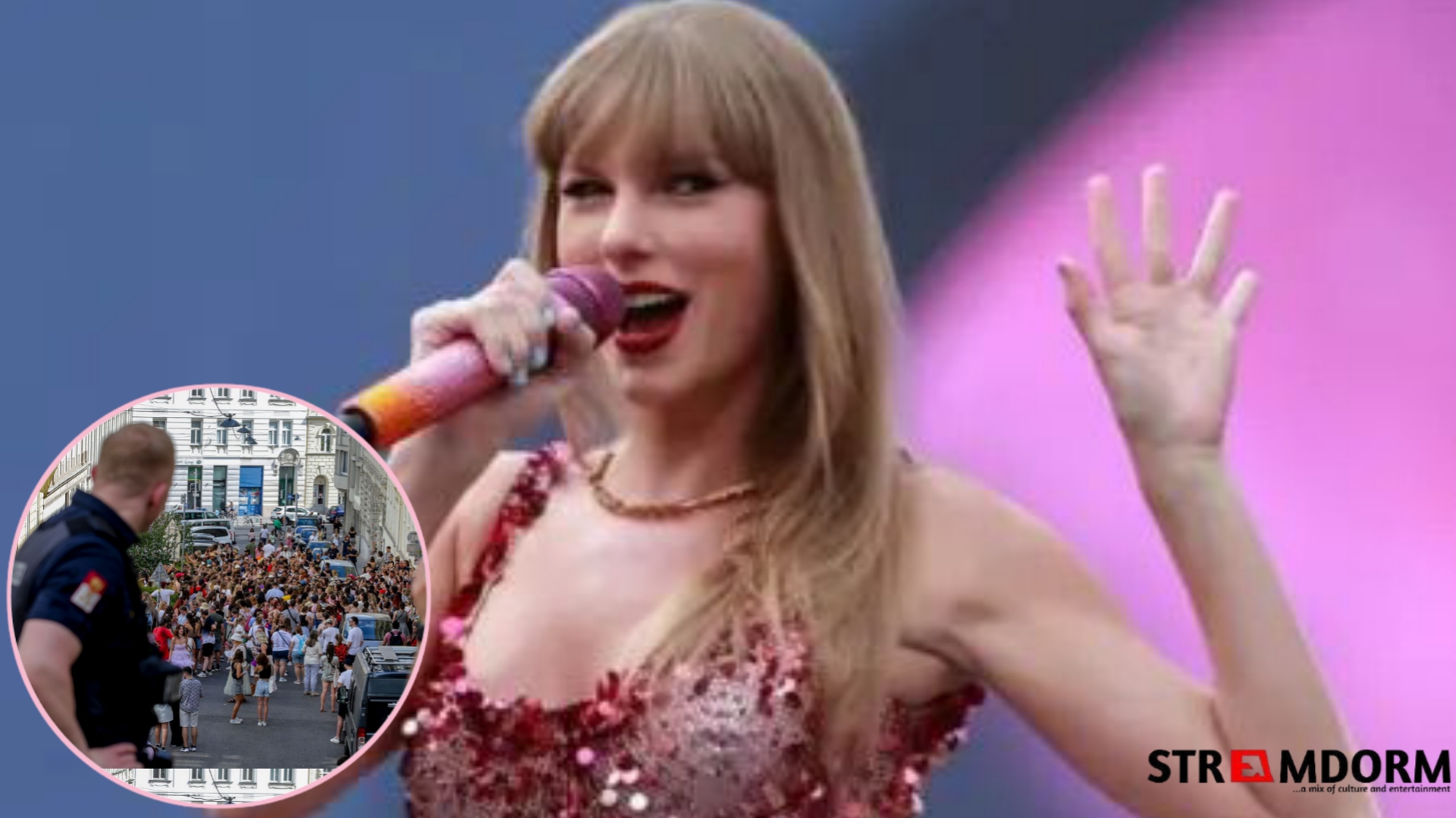
Despite the cancellations, many fans gathered peacefully in Vienna in the days that followed, holding informal meetups across the city in solidarity and celebration of Swift’s music. The incident has since been cited by security analysts as a reminder of the evolving risks surrounding large-scale global entertainment events.
As the legal proceedings move forward, prosecutors maintain that the swift disruption of the alleged plot shows the importance of coordinated intelligence efforts in preventing potential acts of violence. The accused will now face trial, where he will have the opportunity to respond formally to the charges brought against him.
Taylor Swift has officially made Spotify history, becoming the first female artist to surpass 120 billion total streams across all credits. The milestone, confirmed today via Chart Data on X and reflected in live Spotify analytics, cements Swift’s place as one of the most influential and enduring artists of the streaming era.
This and many other achievements serve as proof of the artist’s unmatched global reach, loyal fanbase, and cultural impact over nearly two decades in music.
According to live streaming charts:
Total Spotify streams: ~120.23 billion across all credits (lead and features).
Tracks contributing: 650+ songs, from early hits like Love Story and You Belong With Me to recent chart-toppers like Anti-Hero, Cruel Summer, and Cardigan.
Chart performance: Swift’s music consistently appears on global playlists and daily streaming charts, ensuring her catalogue grows steadily over time.
This milestone places Swift not only as the most-streamed female artist on Spotify, but also among the elite group of artists globally who have reached 120 billion streams joining ranks with Drake, and other streaming legends.
Tours like the Eras Tour, viral social media moments, and new album releases keep her connected to both longtime fans and new listeners.
With new releases, deluxe editions, and ongoing playlist presence, Swift’s streams are expected to continue climbing well beyond 120 billion. Each milestone reinforces her status as one of the defining artists of the 21st century, with influence measured not only in numbers but in cultural resonance.
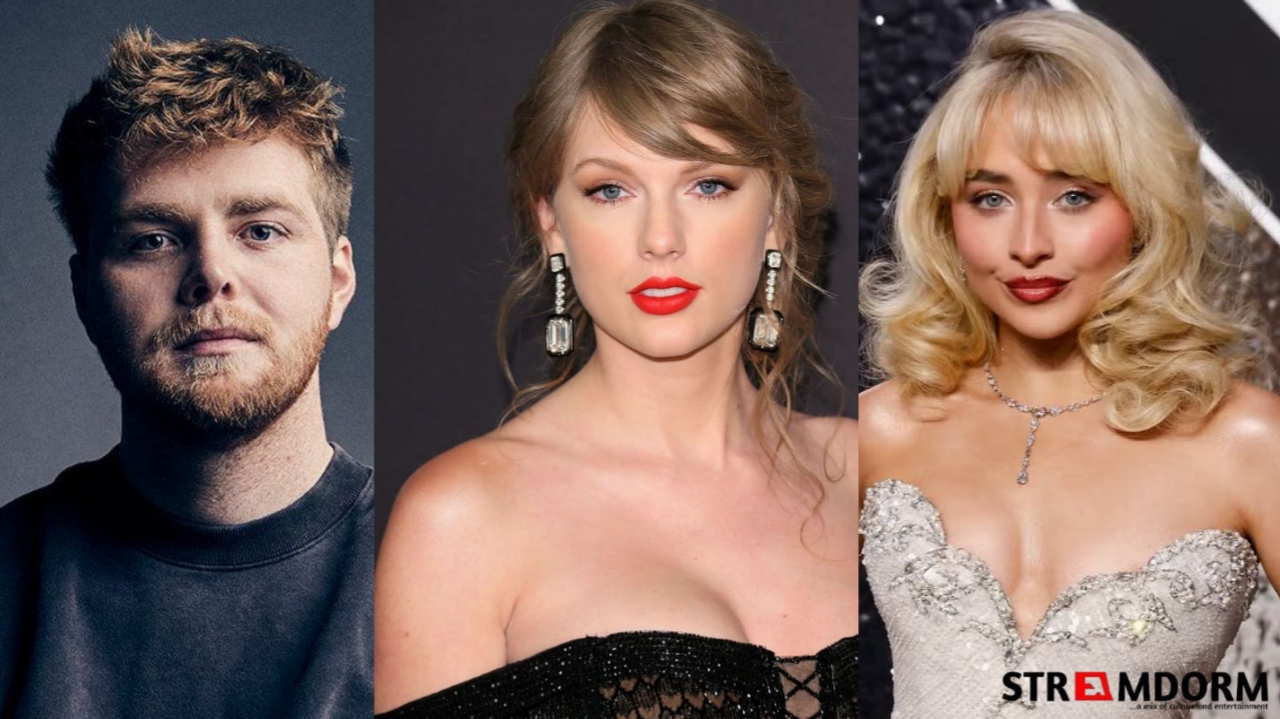
Joe Keery, best known globally for his role as Steve Harrington on Netflix’s Stranger Things, has reached a major music milestone. The actor turned musician has officially topped the Spotify Global chart with his song “End of Beginning,” displacing a track by pop superstar Taylor Swift from the No. 1 position.
The achievement marks a rare crossover moment where a television actor, performing under a separate music identity, outpaces one of the biggest artists in the world on the most competitive streaming chart.
Joe Keery’s Musical Identity as Djo
While many audiences know him from Stranger Things, Joe Keery has built a parallel career in music under the stage name Djo. His sound leans toward alternative pop and indie rock, drawing influence from synth-heavy production and introspective songwriting.
“End of Beginning” was originally released in 2022 as part of Djo’s album Decide. At the time, it received modest attention, largely within indie music circles. However, the track has since experienced multiple waves of resurgence first through social media virality, and now through renewed cultural relevance, which can be credited to the virality of Stranger Things.
The song’s return to the top of the charts is closely linked to renewed interest in Stranger Things, particularly surrounding recent developments and discussions around the show’s conclusion. As fans revisited Joe Keery’s work, many discovered or rediscovered his music.
Streaming numbers surged rapidly, pushing “End of Beginning” past Taylor Swift’s chart-leading track and securing the No. 1 spot on Spotify’s Global chart, a ranking that reflects listening activity across all countries.
This is not the first time the song has performed strongly. It previously gained traction after going viral online, but this latest run represents its most significant commercial peak to date.
Taylor Swift’s Chart Run Interrupted
Taylor Swift has remained one of Spotify’s most dominant artists, frequently holding the top spot with extended chart runs. Her displacement by “End of Beginning,” even if temporary, highlights the unpredictable nature of streaming culture where moments of pop-culture relevance can dramatically reshape listening habits overnight.
The shift does not signal a decline in Swift’s popularity, but rather underscores how audience attention can pivot quickly when music intersects with film, television, and online trends.
For over 60 years, the Billboard Hot 100 has stood as the most important measure of commercial success in popular music. It reflects what people are listening to, buying, streaming, and requesting on radio at any given moment.
Reaching No. 1 on the chart is a major achievement. But doing it repeatedly and dominating an entire decade is something only a handful of artists have managed.
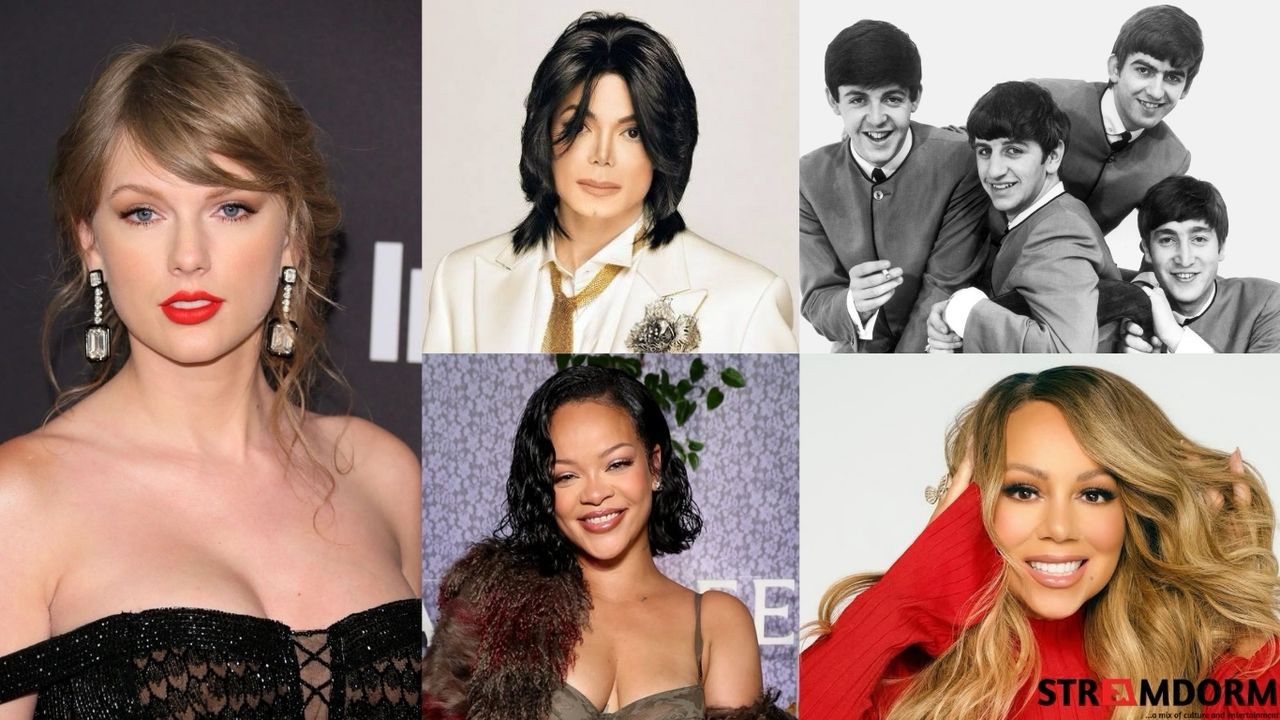
From the cultural earthquake caused by The Beatles in the 1960s to Taylor Swift’s streaming-era dominance in the 2020s, each decade has produced one artist who stood above the rest.
This article breaks down the artists with the most Billboard Hot 100 No. 1 hits in each decade, explains why they dominated, and shows how each era of music evolved through them.
Before diving into the decade-by-decade breakdown, it is important to understand why the Hot 100 still holds weight.
The Billboard Hot 100 combines:
Radio airplay
Physical sales
Digital downloads
Streaming data
While the formula has changed over time, its purpose has remained the same: to measure mainstream popularity in the United States.
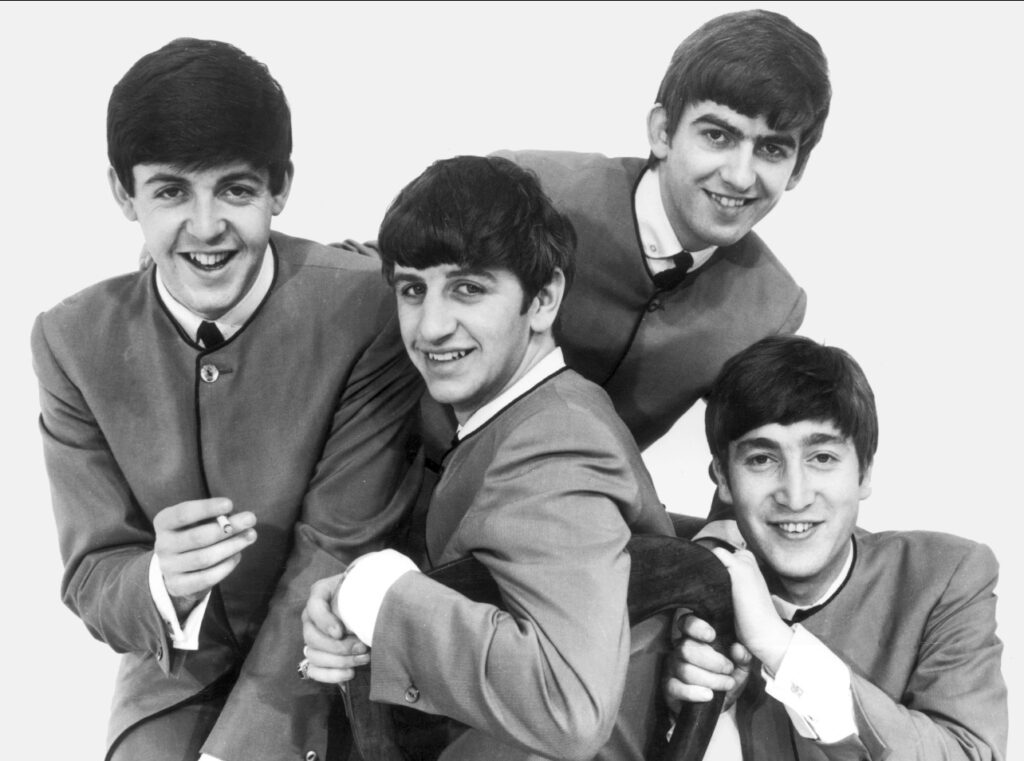
1960s: The Beatles (18 No. 1 Hits)
No artist has ever dominated a decade the way The Beatles dominated the 1960s.
Between 1962 and 1969, the band recorded 18 Billboard Hot 100 No. 1 singles, a record that remains unmatched for any single decade.
Their rise coincided with the British Invasion, a moment that completely reshaped American pop music. Before The Beatles, the charts were largely controlled by solo acts and traditional pop singers. After them, bands became the new standard.
Formed in Liverpool, England, The Beatles are widely regarded as the most influential band in music history. Consisting of John Lennon, Paul McCartney, George Harrison, and Ringo Starr, the group transformed pop music into a serious artistic force.
Their influence went beyond chart success, shaping songwriting, album structure, fashion, and youth culture.
The Beatles Era was Marked by:
Constant releases with strong songwriting
Global appeal beyond the U.S.
A devoted fan base that drove massive sales
Songs that crossed pop, rock, and experimental sounds
Hits like “I Want to Hold Your Hand,” “Hey Jude,” and “Let It Be” were not just popular; they became cultural moments.
By the end of the decade, The Beatles were no longer just chart leaders. They were the most influential music act in history.
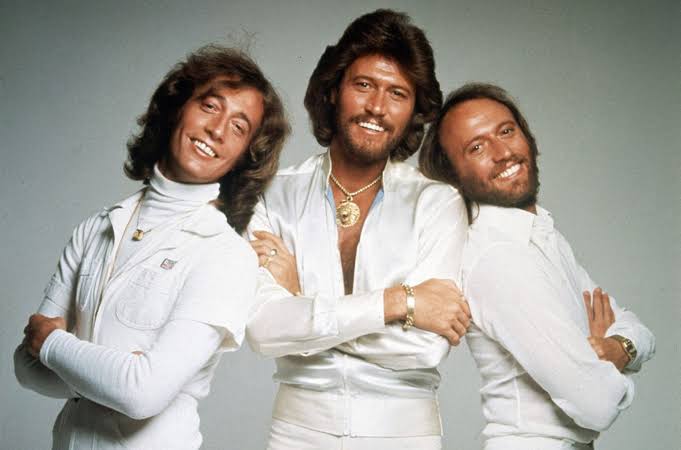
1970s: Bee Gees (9 No. 1 Hits)
The 1970s belonged to the Bee Gees, who earned nine Hot 100 No. 1 singles during the decade.
While they had success earlier, their dominance peaked in the late 1970s, during the disco explosion.
The Bee Gees, made up of brothers Barry, Robin, and Maurice Gibb, were known for their distinctive harmonies and falsetto vocals. While they explored several genres early in their career, they became global icons during the disco era.
Their songwriting success extended beyond their own performances, as they also wrote hit songs for other major artists, making them one of the most successful songwriting groups of all time.
The Disco Era Effect
The Bee Gees became the face of disco thanks to:
Their falsetto-driven sound
Danceable rhythms
Major contributions to the Saturday Night Fever soundtrack
Songs like “Stayin’ Alive,” “Night Fever,” and “How Deep Is Your Love” ruled radio, clubs, and charts simultaneously.
For a period, it was nearly impossible to escape the Bee Gees.
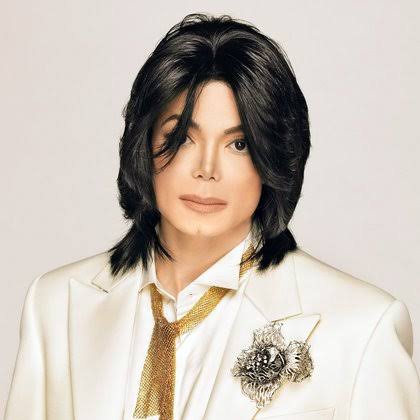
1980s: Michael Jackson (9 No. 1 Hits)
The 1980s introduced a level of global superstardom the music industry had never seen before, and Michael Jackson was at the center of it.
He recorded nine Billboard Hot 100 No. 1 hits during the decade, driven by the historic success of Thriller and Bad.
Often referred to as the King of Pop, Michael Jackson began his career as a child star with The Jackson 5 before becoming the most recognizable solo artist in the world.
His influence spans music, dance, fashion, and visual storytelling. Jackson set records that still stand today and helped turn pop music into a global, multimedia experience.
More Than Just Music
Michael Jackson’s dominance went beyond songs.
He:
Transformed music videos into major events
Broke racial barriers on MTV
Set new standards for album sales and promotion
Songs like “Billie Jean,” “Beat It,” and “Black or White” topped the charts while their visuals changed how music was consumed.
In the 1980s, being No. 1 did not just mean popularity. It meant global visibility, and no one commanded that better than Michael Jackson.
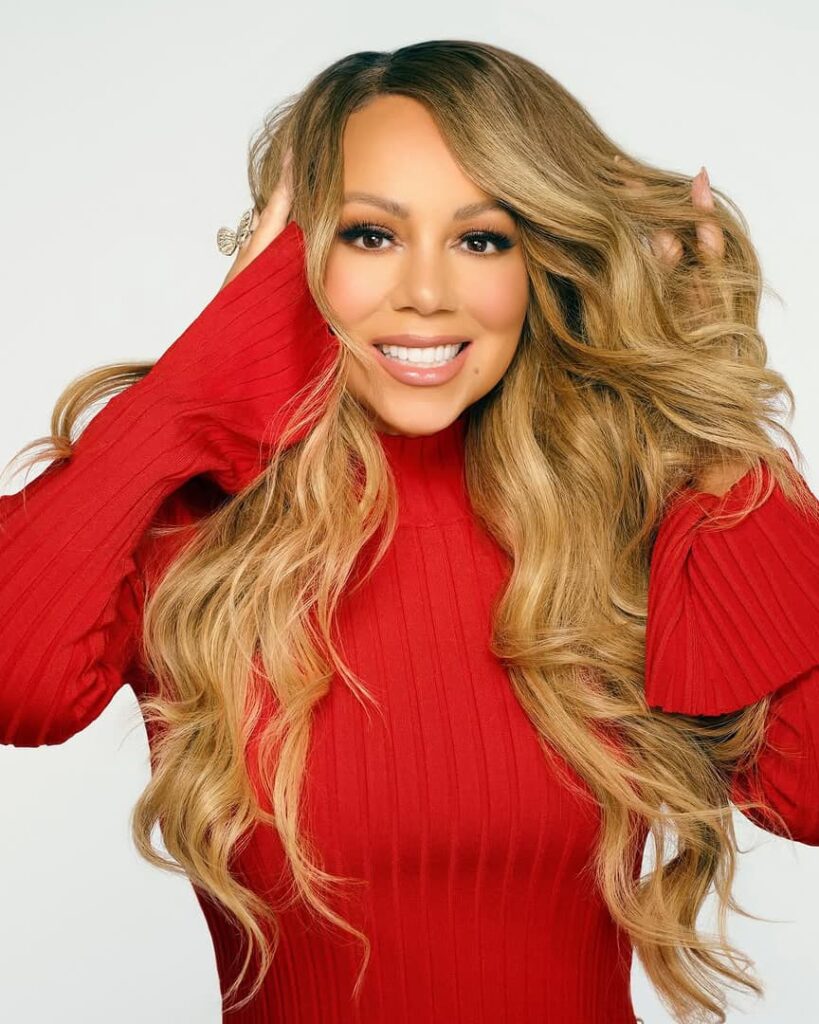
1990s: Mariah Carey (14 No. 1 Hits)
If one decade truly belonged to a single voice, it was the 1990s and that voice was Mariah Carey.
She recorded an astonishing 14 Billboard Hot 100 No. 1 singles during the decade, the highest total of any artist in the 1990s.
Mariah Carey is celebrated for her extraordinary vocal range and technical ability. She emerged in the early 1990s and quickly became one of the most successful female artists in chart history.
Beyond her vocal talent, Carey is also a songwriter and producer, playing a direct role in shaping many of her biggest hits. Her longevity and consistent chart success make her one of pop music’s most enduring figures.
Consistency at the Top
Mariah Carey’s success was built on:
Exceptional vocal ability
Strong pop songwriting
Smooth R&B influence
Seasonal hits that returned every year
From “Vision of Love” to “Fantasy” and “One Sweet Day,” she remained a constant presence on the charts.
Unlike many artists who peak briefly, Mariah Carey dominated year after year, making her the most successful singles artist of the 1990s.
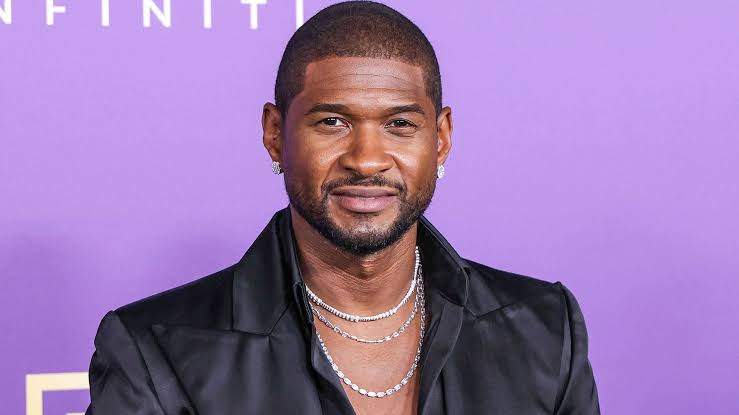
2000s: Usher (7 No. 1 Hits)
The 2000s marked a transition period for music, with digital downloads reshaping the industry. During this era, Usher emerged as the decade’s biggest Hot 100 performer.
He recorded seven No. 1 singles, more than any other artist in the 2000s.
Usher is one of the most influential R&B artists of the modern era. Rising to prominence in the late 1990s, he became a dominant force in the 2000s through smooth vocals, dance-driven records, and crossover appeal.
He also played a key role in mentoring and launching other successful artists, helping shape the sound of contemporary R&B and pop.
The Confessions Era
Usher’s dominance was powered by:
Massive radio support
Dance-driven R&B records
A run of back to back chart topping singles
His album Confessions produced multiple No. 1 hits, some of which stayed at the top for weeks.
In a decade where competition was fierce, Usher stood out as the defining male R&B star of the era.
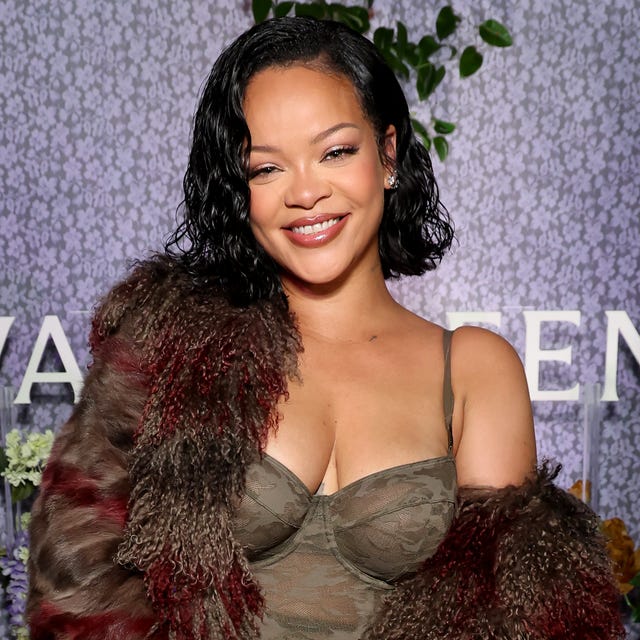
2010s: Rihanna (9 No. 1 Hits)
The 2010s were shaped by rapid shifts in sound, platforms, and collaborations. No artist adapted better than Rihanna.
She recorded nine Billboard Hot 100 No. 1 hits during the decade, the highest total of any artist in the 2010s.
Born in Barbados, Rihanna rose to global fame through a steady evolution of sound and image. Rather than staying in one musical lane, she constantly reinvented herself, allowing her to remain relevant across changing trends.
Beyond music, Rihanna has expanded her influence into fashion and beauty, becoming one of the most successful artist-entrepreneurs of her generation.
Reinvention as a Strategy
Rihanna’s strength was versatility.
She moved effortlessly between:
Pop
Dance
R&B
Hip-hop collaborations
Rather than sticking to one formula, she followed the sound of the moment and often helped create it.
This flexibility allowed her to remain chart-relevant throughout the entire decade, even as trends changed.
2020s: Taylor Swift (8 No. 1 Hits So Far)
The 2020s are still unfolding, but one artist already leads the decade: Taylor Swift.
She currently holds eight Billboard Hot 100 No. 1 singles in the 2020s, more than any other artist so far.
Taylor Swift began her career as a country singer before transitioning into pop and later experimenting with alternative and folk-inspired sounds. Her ability to connect deeply with listeners through storytelling has been central to her success.
In the modern streaming era, Swift has redefined album rollouts, fan engagement, and chart performance, making her one of the most powerful figures in today’s music industry.
The Streaming and Fan Era
Taylor Swift’s dominance reflects a new music reality:
Streaming-driven charts
Album-focused rollouts
Extremely engaged fan communities
Her ability to generate massive first-week numbers and chart debuts has reshaped how success is measured in the modern era.
As the decade continues, her total may grow, but even now, she stands as the defining chart force of the 2020s.