
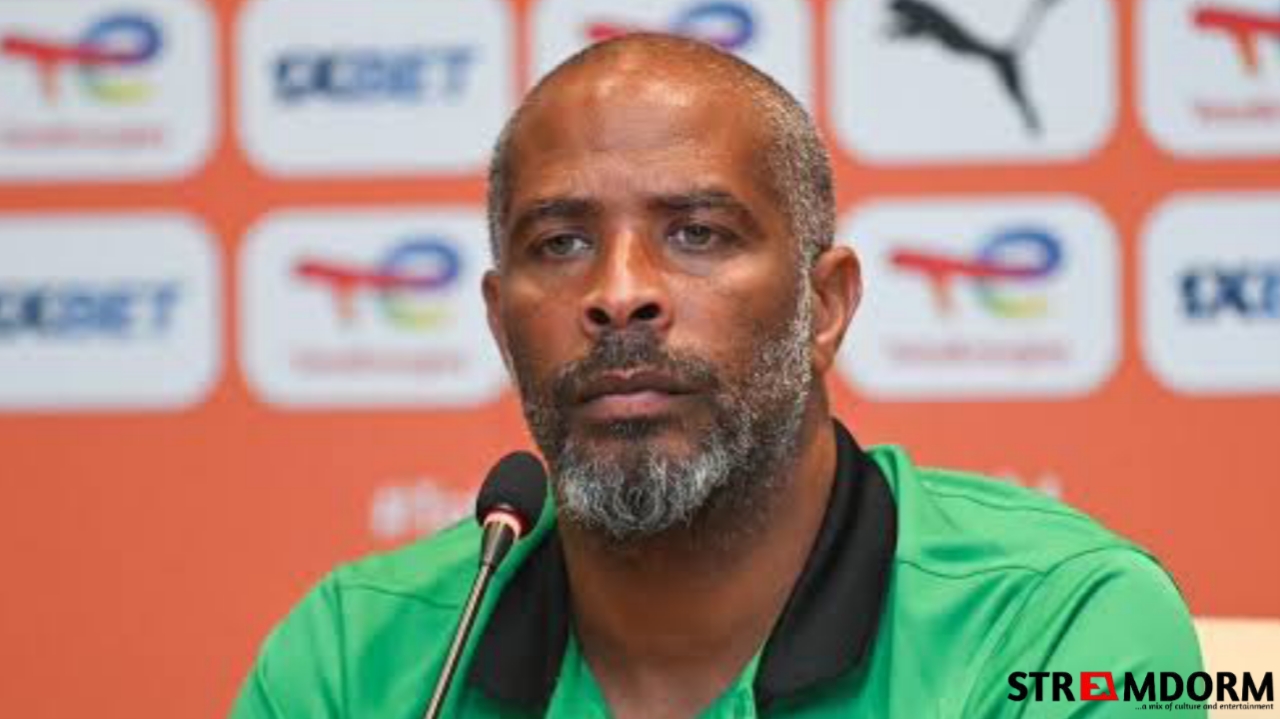
Nigeria’s beloved national football team, the Super Eagles, is facing an unexpected off-field controversy, and it’s not about match results or tournament outcomes. Instead, the spotlight is on head coach Eric Chelle and reports that he requested a $130,000 monthly salary, a figure that has drawn criticism from football stakeholders and fans alike.
According to reports, Chelle, who guided Nigeria to a respectable finish at the 2025 Africa Cup of Nations, submitted a 19-point proposal to the Nigeria Football Federation (NFF), seeking an increase in his monthly salary from $50,000 to $130,000 (about ₦174 million).
But the proposal reportedly went beyond just a pay rise. Sources say Chelle’s package included:
- A secure official residence with uninterrupted power supply
- A private SUV with a driver and security detail
- Flight allowances for family members
- Autonomy over team selection and friendly matches
- Salaries for his technical staff and personal assistant
Former Gombe State FA chairman and football administrator Ahmed Shuaibu Gara-Gombe has been one of the loudest critics of the reported package. He warned that the NFF could regret agreeing to such terms.
“The Super Eagles brand elevated Chelle, not the other way around. Demanding such figures at this stage is almost blackmail,” Gara-Gombe said, describing the proposal as excessive and disconnected from the realities of Nigerian football. Via Africa Soccer
Critics argue that such financial expectations could undermine the team’s stability and shift focus away from player development and performance.
The NFF has since denied that Chelle formally demanded $130,000 monthly. According to a federation spokesperson, the figures circulating in the media are speculative and not part of official negotiations.
Whether the reports are exaggerated or accurate, the controversy underscores the tension between perception and reality in Nigerian football governance.
For the NFF, the challenge is clear: negotiate a fair deal, maintain team focus, and preserve public trust. The decisions made now will influence not just the next season, but the long-term direction of Nigerian football.