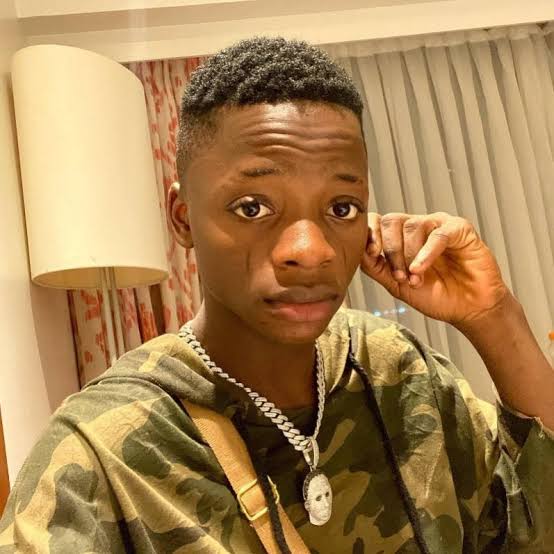
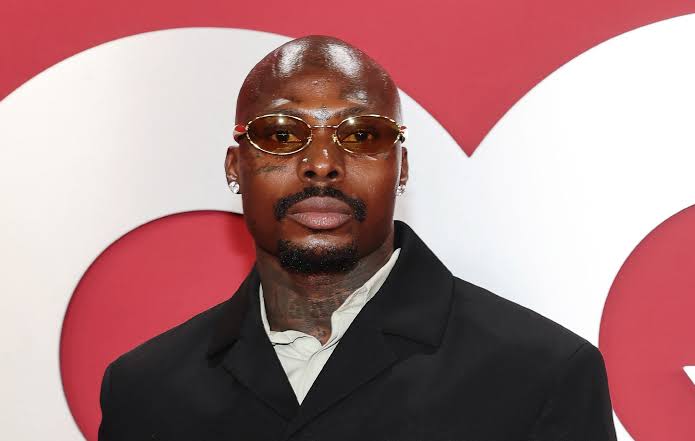
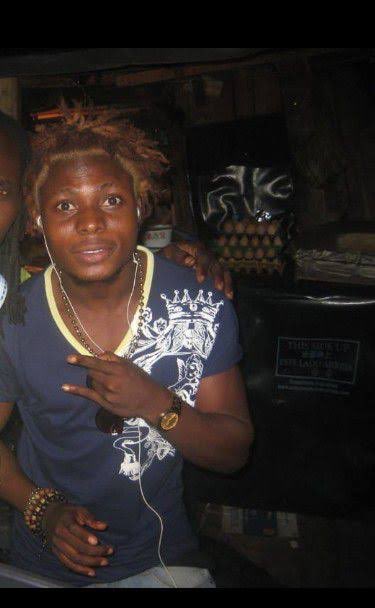
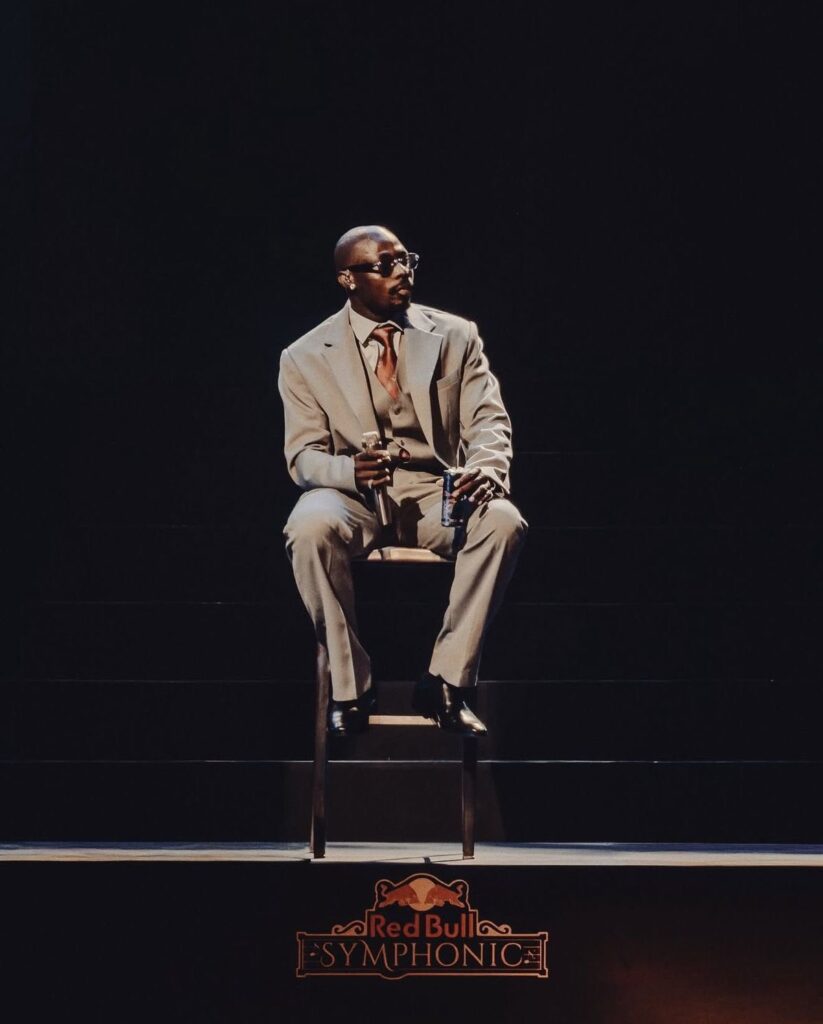
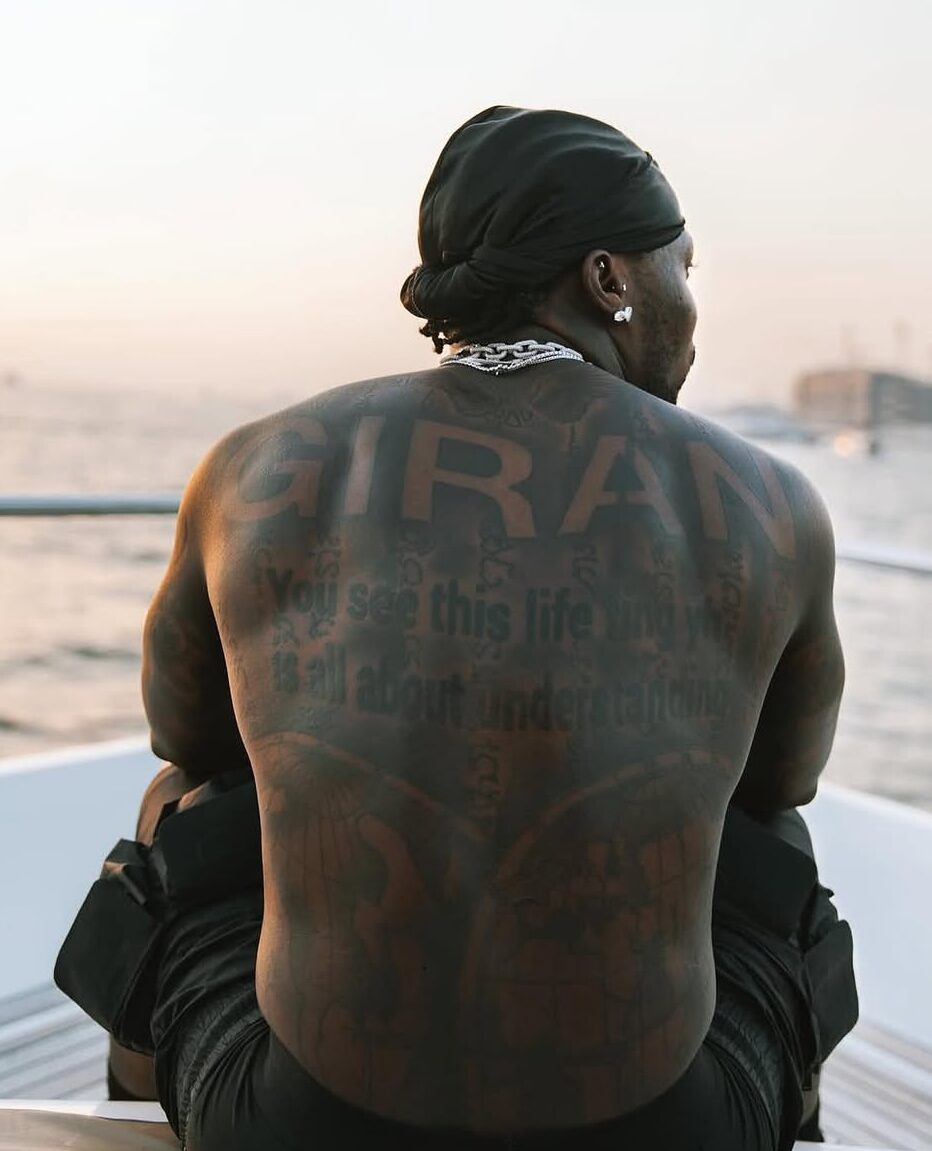
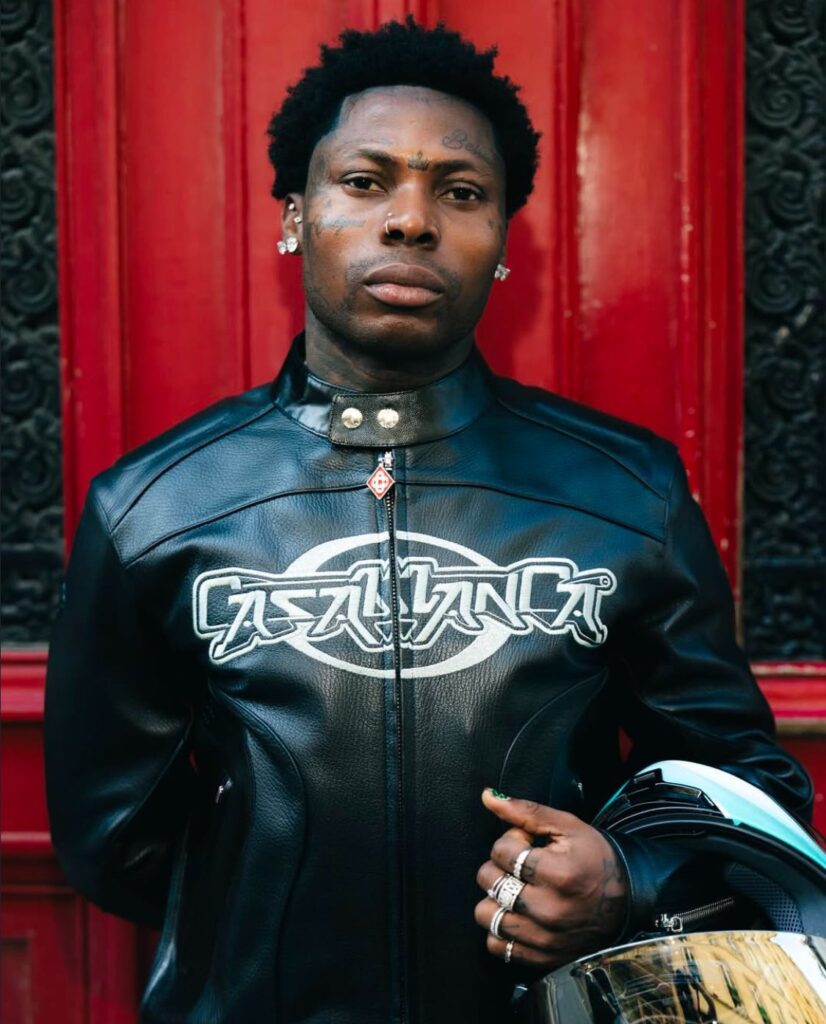
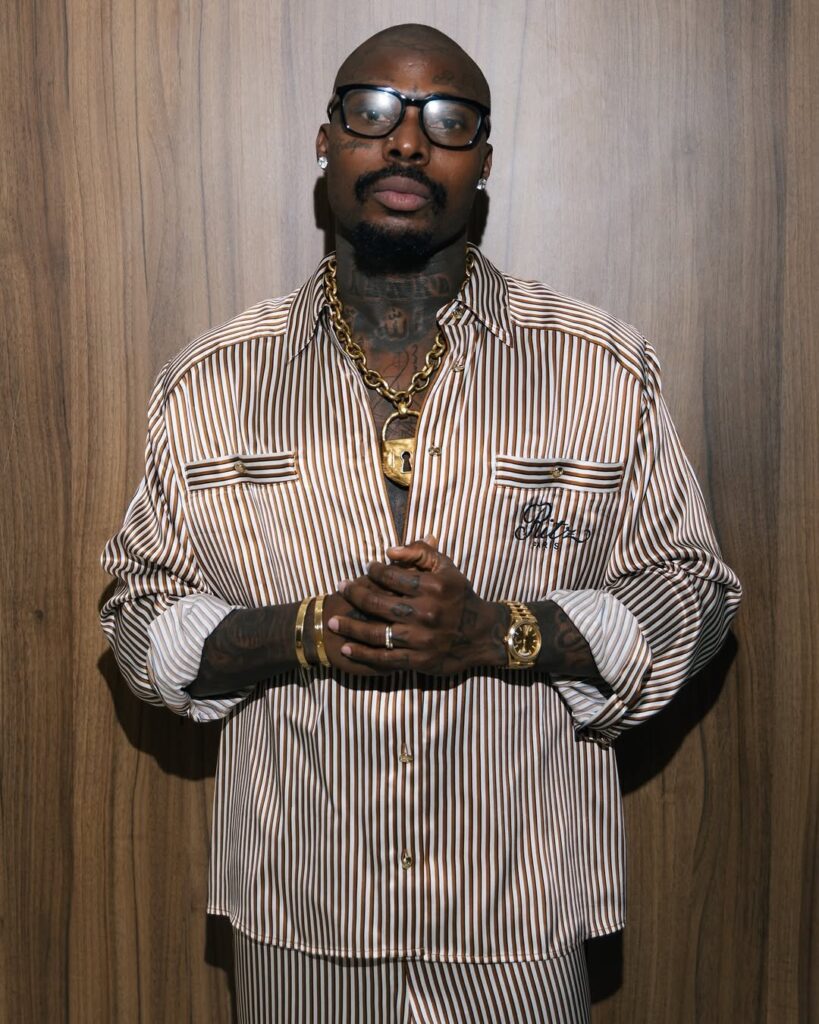
The Nigerian music industry is in mourning following the death of Afrobeat and Fuji‑inspired singer Afeez Adeshina, widely known as Destiny Boy. The 22‑year‑old artiste’s passing has triggered an outpouring of grief from fans, colleagues, and music lovers across social media and entertainment platforms.
Destiny Boy’s death was announced on Sunday, January 18, 2026, when investigative journalist Temilola Sobola shared the news on social media, writing, “Singer Destiny Boy has passed away. May his soul rest in peace.”
The singer had rapidly risen through Nigeria’s music scene, gaining attention for his energetic style and fusion of street pop and traditional influences. His journey from viral songs to becoming a recognized voice among young Afrobeats artists made him a promising presence in the industry.
In recent years, Destiny Boy celebrated personal milestones that endeared him further to fans. In November 2024, he welcomed his first child at the age of 20, a moment he shared with his growing online following. Earlier in 2024, he also made headlines for unexpectedly proposing to his partner with a diamond ring.
Following news of his death, tributes have poured in from fans and fellow artists on platforms such as Instagram and X (formerly Twitter), expressing sadness and reflecting on the impact Destiny Boy had in his short career. The young singer’s energy, ambition, and connection with fans have been highlighted in many of the messages shared online.
Though his career was still developing, Destiny Boy’s influence reached far beyond his age. He became known for blending cultural sounds with contemporary Afrobeats, helping him carve out a unique space among emerging Nigerian artists.
The singer’s sudden death marks a tragic moment for the entertainment community and leaves fans grieving his potential and contributions.
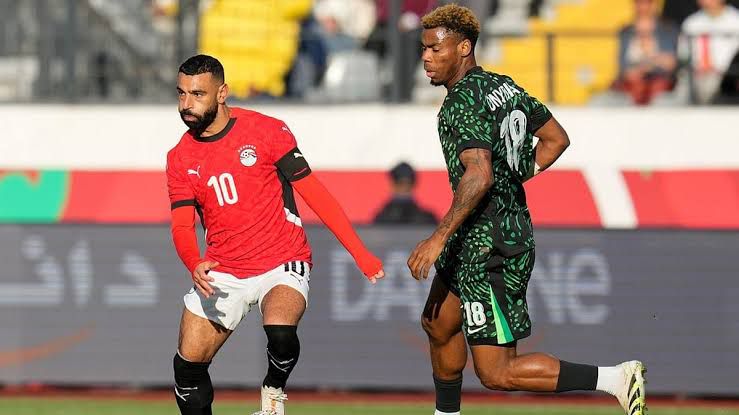
In a thrilling conclusion to the Africa Cup of Nations (AFCON) 2025, Nigeria’s Super Eagles secured the third-place finish with a dramatic penalty shootout victory over Egypt’s Pharaohs at the Stade Mohammed V in Casablanca.
The bronze medal match; a showdown between two of Africa’s most decorated footballing nations remained scoreless through regulation time, forcing the tie into a high-pressure penalty shootout. The Super Eagles prevailed 4–2 on penalties after a 0-0 stalemate in 120 minutes of football.
Neither side could find the breakthrough over the course of the match. Both Nigeria and Egypt created few clear-cut chances, as defences dominated and goalkeepers were rarely seriously tested in open play. After full time, the deadlock stood, sending the match into penalties where fine margins would decide the bronze medal.
In the shootout, Nigeria showed remarkable composure under pressure to edge past Egypt 4–2 on penalties with thanks to Nwabali. The Super Eagles’ spot-kick takers were clinical when it mattered most, converting their chances while Egypt were less consistent from the spot.
This win extends Nigeria’s impressive record in AFCON third-place playoffs. Before this match, the Super Eagles had won all seven previous bronze-medal games they contested, and this latest result brings their total to nine AFCON third-place finishes, the most by any nation in the competition’s history.
The AFCON stage has long been the backdrop for memorable clashes between Nigeria and Egypt, and this latest encounter added another chapter to their rivalry. Across all AFCON meetings, Nigeria hold a historical edge in head-to-head contests, and this win reinforces their dominance in third-place fixtures.
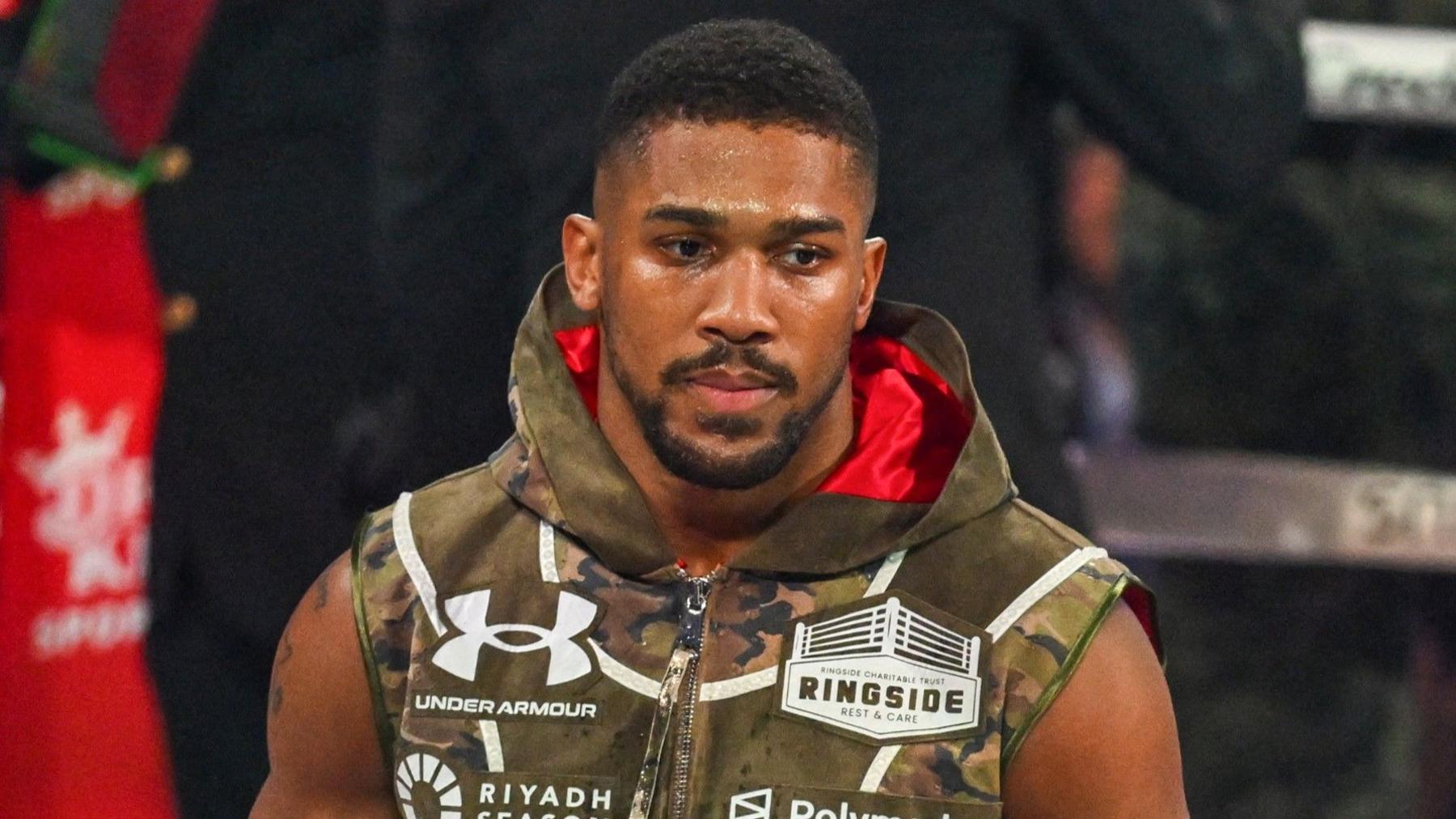
British former world heavyweight champion Anthony Joshua has returned to training at the gym as part of his recovery following a devastating car crash in Nigeria that claimed the lives of two close friends and members of his boxing team.
The incident occurred on December 29, 2025, when the Lexus SUV carrying Joshua and his entourage collided with a stationary truck on a busy road near Lagos, Nigeria. The crash tragically killed strength and conditioning coach Sina Ghami and trainer Latif “Latz” Ayodele, both of whom were close to Joshua.
Joshua, 36, sustained injuries in the collision but was discharged from hospital two days later and allowed to recuperate at home. Since then, he has shared footage of himself working out; hitting pads, riding a stationary bike, and engaging in other exercises with one clip captioned “mental strength therapy.”
The workout videos mark Joshua’s first public return to training amid a period of intense emotional and physical recovery. The sessions appear to be part of his effort not just to regain fitness, but also to cope with the emotional aftermath of losing two close members of his team.
The boxer, who has Nigerian roots and was in the country on holiday following his recent win over Jake Paul in Miami, has been supported by promoter Eddie Hearn, who emphasized that discussions about Joshua’s boxing future will be postponed until he is ready physically and mentally.
Hearn has publicly stated that, while he believes Joshua will return to the ring eventually, the timing of any future fights is not being rushed. The former champion is being given space to grieve and to decide his next steps at his own pace.
Nigeria’s music scene isn’t just booming; it’s thriving with homegrown loyalty. A recent industry report confirmed what many in the industry already suspected: Nigerian listeners stream local music more than any other country in the Middle East and Africa. According to Luminate’s 2025 mid-year music consumption data, an incredible 61.3 % of all on-demand streams in Nigeria go to Nigerian artists, the highest local share in the entire region.
That 61 % figure isn’t just a statistic, it’s a reflection of how deeply fans in Nigeria engage with their own music. From Afrobeats and Street Pop to Alte, Fuji, and Amapiano-influenced sounds, Nigerian listeners are choosing local artists over international stars at an extraordinary rate.
This level of local support is rare in global markets and it speaks to the emotional connection between Nigerian artists and their audiences. Whether it’s Burna Boy commanding stadiums around the world, or emerging stars like Odumodublvck and Ayra Starr dominating playlists, the music resonates with listeners at home in a way few other countries can match.
This isn’t limited to audio streaming. On platforms like Spotify, Nigerian users are creating millions of local playlists, a sign that listeners aren’t just passive consumers; they’re building the culture around Nigerian music.
Despite this massive streaming support, financial returns remain a challenge. Industry analysts point out that even millions of streams in Nigeria generate relatively modest payouts compared to global markets.
This highlights a broader issue in Africa’s music economy: popularity doesn’t always equal profit. Many Nigerian artists still face hurdles when it comes to converting streaming success into sustainable earnings at home.
While local support is huge, Nigerian music also continues to make waves internationally. Artists like Rema, Wizkid, Tems, Burna Boy, and Ayra Starr regularly feature on global charts and playlists proving that the world is listening, too.
Nigeria’s streaming landscape shows a powerful truth: local music loyalty can become a pillar of cultural and economic growth. When fans support artists consistently, it fuels creativity, strengthens industry infrastructure, and encourages more talent to emerge.
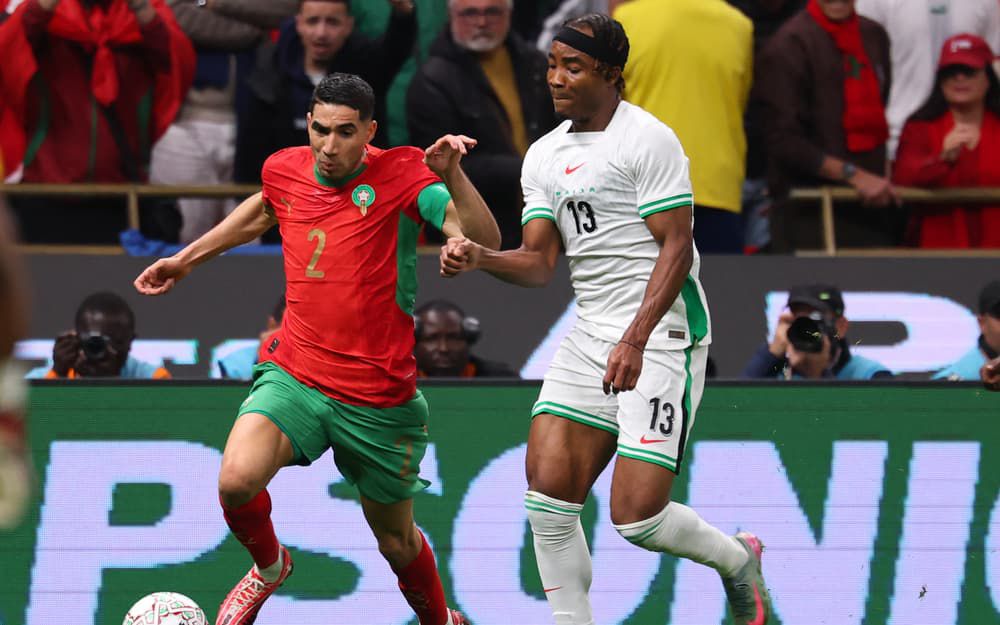
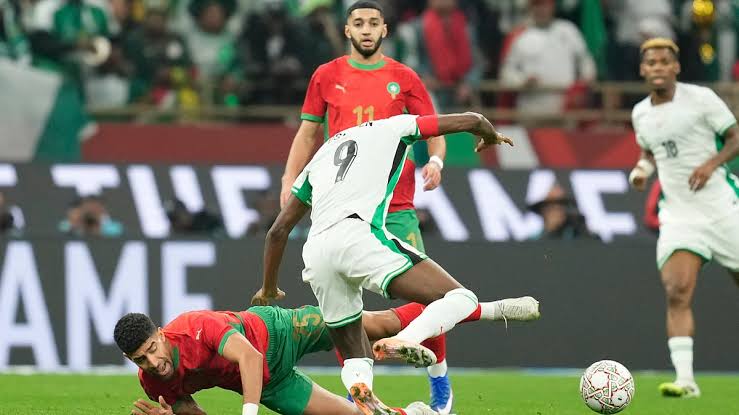
In a dramatic and tightly contested semi-final at the 2025 Africa Cup of Nations in Rabat, host nation Morocco edged Nigeria in a penalty shootout after a goalless draw through regulation and extra time, booking their place in the final against Senegal.
The clash at the Stade Prince Moulay Abdellah lived up to its billing as one of the tournament’s biggest fixtures, with both sides showing tactical awareness and defensive resilience in front of a packed home crowd.
Neither team managed to break the deadlock over 120 minutes of intense football. Morocco, driven by a vocal home support and the creative influence of Brahim Díaz, pressed for openings, but the Super Eagles’ defence stood firm for long periods. Nigeria, unbeaten in the competition leading into this match, struggled to carve out meaningful goal-scoring opportunities against a well-organised Moroccan rearguard.
The match was marked by robust challenges, cautious tactical play, and moments of individual skill, but the scoreboard remained untouched through both 90 minutes and extra time.
With the scoreline still 0–0 after extra time, the semi-final was decided by penalties. In a tense shootout, Morocco held their nerve to prevail and eliminate Nigeria from the competition. The decisive moments came as both teams traded successful spot-kicks and critical saves, ultimately tipping the balance in favour of the Atlas Lions.
Morocco’s victory ended Nigeria’s bid for an AFCON title this year and propelled the hosts into the final, where they will meet Senegal, who advanced by beating Egypt in the other semi-final. Morocco are now one win away from lifting their first Africa Cup of Nations trophy since 1976, a feat that would cement a historic achievement on home soil.
For Nigeria, the narrow defeat brings an end to a strong tournament run, one that saw them go undefeated through the group stage and score freely in earlier rounds but falls just short of another final appearance.
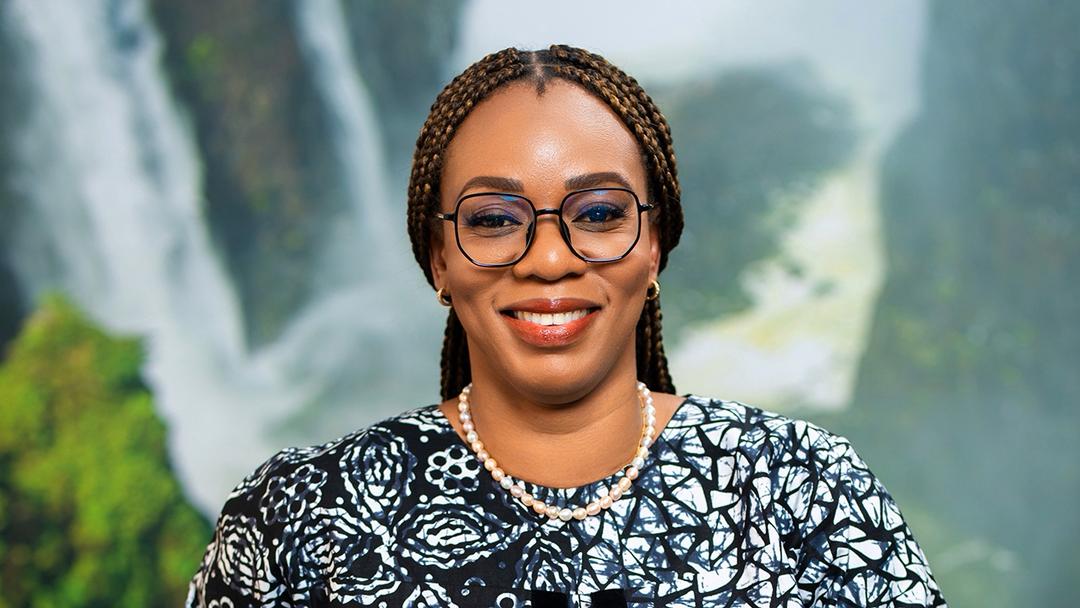
MultiChoice Nigeria has announced the appointment of Kemi Omotosho as its new Chief Executive Officer (CEO), effective January 2026, marking a major leadership transition at one of the country’s most influential media and entertainment companies.
Omotosho succeeds John Ugbe, who is set to retire after nearly 15 years at the helm of MultiChoice Nigeria, a period defined by subscriber growth, local content expansion, and the consolidation of platforms such as DStv and GOtv as household staples across the country.
Kemi Omotosho brings over two decades of experience spanning media, telecommunications, and digital services across Nigeria and Sub-Saharan Africa. Notably, she is not new to the MultiChoice ecosystem.
Her previous roles within the MultiChoice Group include:
Executive Head, Customer Value Management (Nigeria)
Group Executive Head, Customer Value Management (Rest of Africa)
Regional Director, Southern Africa, where she oversaw operations and full profit-and-loss responsibility across a seven-country portfolio
Nigeria remains MultiChoice Group’s largest and most strategic market in Africa, both in subscriber base and cultural influence. Omotosho’s appointment signals continuity, but also a renewed focus on customer engagement, innovation, and sustainable growth.
In her response to the announcement, Omotosho described the role as a privilege, emphasizing her commitment to:
Strengthening customer relationships
Championing local storytelling and Nigerian creators
Supporting the broader creative economy
Building a future-ready, resilient organization
John Ugbe’s retirement closes a significant chapter in MultiChoice Nigeria’s history. Under his leadership, the company expanded its local content slate, navigated regulatory and economic pressures, and maintained its dominance in a fast-evolving media landscape.
As Omotosho prepares to assume office in January 2026, attention will turn to how MultiChoice Nigeria adapts to changing viewer habits, rising content costs, and competition from global streaming platforms.
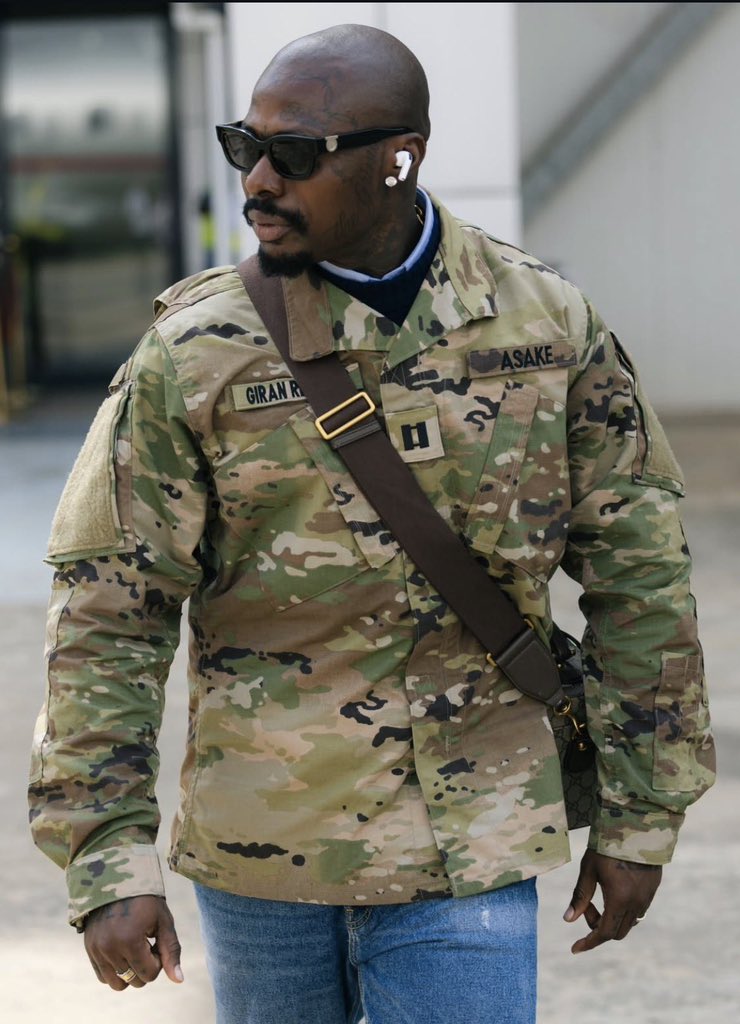
This article is part of our weekly #OpinionPiece series. Today, we deviate slightly from our schedule to celebrate the birthday of a modern legend, Asake.
Introduction
This is a special edition of our series! Today, January 13, 2026, marks the 31st birthday of the man who redefined the speed of success in the Nigerian music industry: Asake (Ahmed Ololade).
To celebrate “Mr. Money,” we are diving into his journey from the “Lungu” streets of Lagos to the global arenas and looking at the pivotal moves he has made in just the last few months.
Today, the 13th of January 2026, the “Lungu Boy” himself turns 31. Just four years ago, many of us were just learning his name through “Omo Ope.” Today, it is impossible to discuss the global lifestyle of Afrobeats without mentioning his name.
In my opinion, Asake is not just a musician; he is a cultural movement. While 2022 and 2023 were about his “lightning fast” rise, I believe 2025 and the start of 2026 have shown us a more mature, independent, and grounded version of the artist.
The Career Highlights
Asake’s career trajectory is, factually, one of the most successful in African history. He achieved what few thought possible; three consecutive #1 albums in Nigeria.
From Mr. Money with the Vibe (2022) to Work of Art (2023) and finally Lungu Boy (2024), which became the longest-running #1 album in Nigerian chart history.
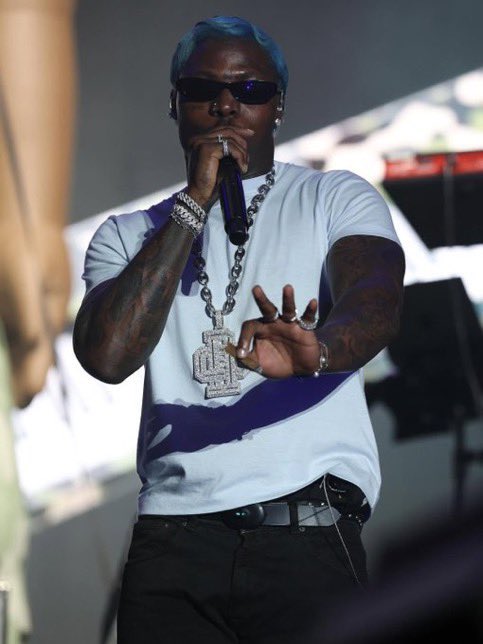
In 2024 and 2025, he successfully headlined the world’s most iconic stages, including Madison Square Garden and the O2 Arena, proving that his “Street-Pop” sound had no borders.
Beyond winning the Best African Act at the 2024 MOBO Awards, his 2025 Grammy nomination for “MMS” (with Wizkid) solidified his status as an elite global collaborator.
The Birth of Giran Republic
Choosing independence is one of the most significant lifestyle and business moves Asake made as he departed from YBNL Nation in early 2025.
In February 2025, Asake officially launched his independent label, Giran Republic. This marked his transition from being a “star under Olamide” to becoming a CEO and mogul in his own right.
Opinion Piece: I see this as a bold lifestyle statement. In an industry where artists often fear leaving the nest of a major label, Asake chose the “Giran” path. It showed his fans that true success is about eventually owning your platform.
The 2026 Milestone: Family and Reconciliation
Few weeks ago before his 31st birthday, Asake made headlines for something more personal than music: healing his home.
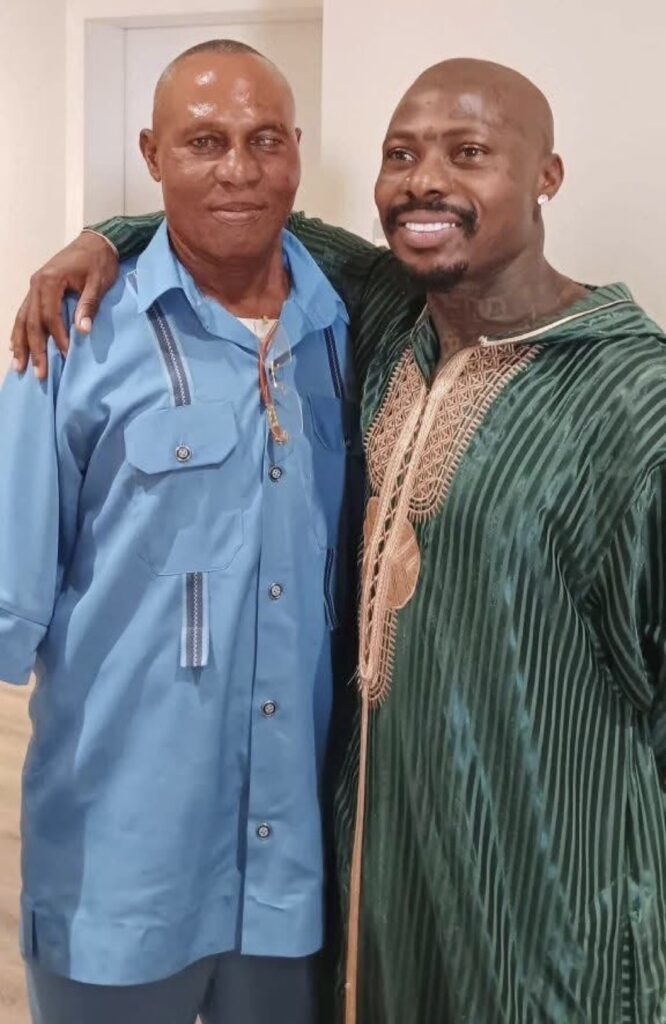
Following public accusations in 2025 regarding neglect of his family, January 9–10, 2026, saw a major turnaround. Asake publicly reunited and reconciled with his father (Fatai Odunsi), his daughter, and his baby mama. He reportedly pledged to finance his father’s medical bills and purchase a new home for him. He also paid a visit to his Alma mater where he was welcomed by students and authorities of the school.
Opinion Piece: I believe this is his most important “win” yet. At 31, Asake is showing that being “Mr. Money” is empty if your foundation isn’t solid. This reconciliation shows a man maturing beyond the fast-paced fame of his 20s.
The Fashion Oracle: Defining the Gen Z Look
Asake’s lifestyle influence on Gen Z fashion remains unparalleled.
From his Paris Fashion Week appearances (showcasing Marine Serre and Off-White) to his signature baggy trousers and eclectic grills, he has made “quirky-cool” the standard.
Opinion Piece: He taught a generation that you don’t have to look like a traditional “gentleman” to be taken seriously in global luxury and it’s also okay to try out different styles until you probably understand what works best for you.
Even though I can’t really say if this current look of his would be his last change, we can all agree his styles are interesting. His fashion is a mix of Lagos “Lungu” (slum/street) energy and high-end couture. It’s an “unbothered” lifestyle that resonates with millions.
Starting 2026 on a High: The Goldrush Dome
Asake didn’t wait long to dominate 2026. Just ten days ago, on January 3, 2026, he shut down the 10,000-capacity Goldrush Dome in Johannesburg, South Africa.
His album, Mr. Money with the Vibe, has also surpassed 800 million streams on Spotify, entering the top 10 Nigerian projects on the platform.
This was his first-ever headline show in South Africa, a market that has deeply influenced his sound (through Amapiano).
Opinion Piece: By starting the year this way, he is signaling that 2026 will be another year where we will have more of Asake because his impact is just beginning.
As we celebrate Asake today, we aren’t just celebrating hit songs like “Lonely at the Top” or “Mentally.” We are celebrating the evolution of a man.
From the theatre student at OAU to the CEO of Giran Republic, Asake’s 31st birthday represents a transition from “The Next Big Thing” to a stable, independent, and family-oriented icon.
Happy Birthday, Ololade Mr. Money. The world is still watching.
Who should be our next feature for the #OpinionPiece series? Drop your comment below!
The 2026 Africa Cup of Nations quarter-final stage came to a dramatic conclusion on Saturday as Nigeria and Egypt booked their places in the semifinals, completing a final four that blends pedigree, pressure, and title ambition.
Following earlier victories by Senegal and Morocco, Saturday’s fixtures delivered intensity and decisive moments, confirming the tournament’s most competitive phase yet.
Nigeria Outclass Algeria to Reach the Semi-Finals
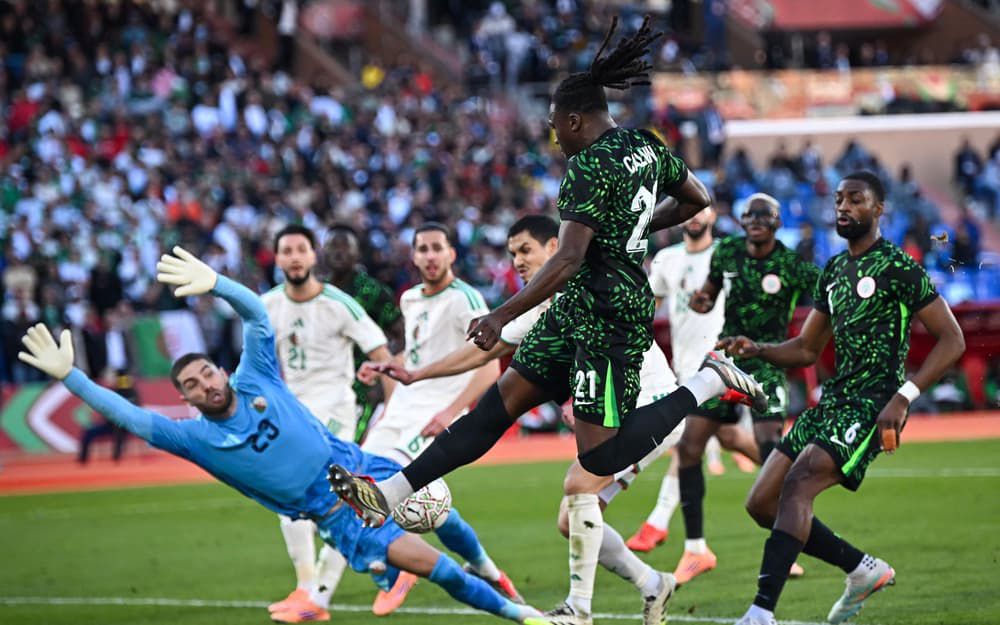
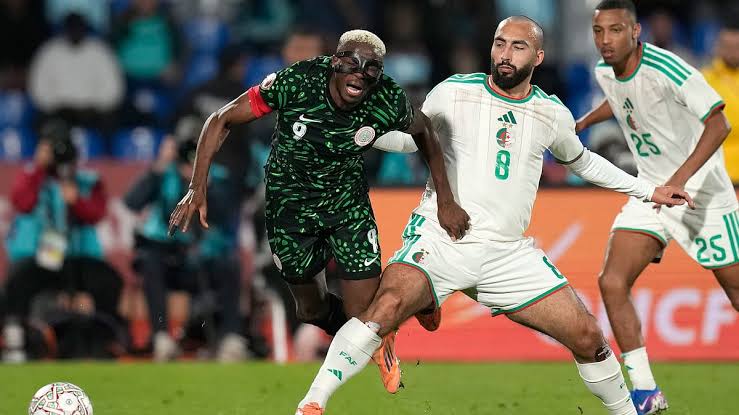
Nigeria confirmed their status as one of the tournament’s strongest sides with a composed 2–0 win over Algeria, producing a disciplined and controlled performance in Marrakech.
After a measured first half, the Super Eagles raised the tempo following the break. Victor Osimhen broke the deadlock shortly after halftime, powering home a header to give Nigeria a deserved lead. The striker later turned provider, setting up Akor Adams to double the advantage and seal the result.
Algeria struggled to break Nigeria’s structure as the Super Eagles managed the game expertly, limiting clear chances and seeing out the contest with confidence. The victory sets up a high-profile semi-final clash against host nation Morocco.
Egypt Edge Ivory Coast in Five-Goal Thriller
In a tightly contested encounter, Egypt defeated Ivory Coast 3–2 to secure the final semi-final spot and keep their AFCON title hopes alive.
The Pharaohs made a blistering start, opening the scoring through Omar Marmoush (4’). Rami Rabia (32’) extended Egypt’s lead before Ivory Coast found a route back into the game when Ahmed Fotouh inadvertently turned the ball into his own net in the 40th minute.
Early in the second half, Mohamed Salah (52’) restored Egypt’s two-goal cushion with a clinical finish, underlining his influence on the big stage. Ivory Coast responded through Guéla Doué (73’), setting up a tense finale, but Egypt held firm to claim a famous victory.
The result sends Egypt into a heavyweight semi-final showdown against Senegal.
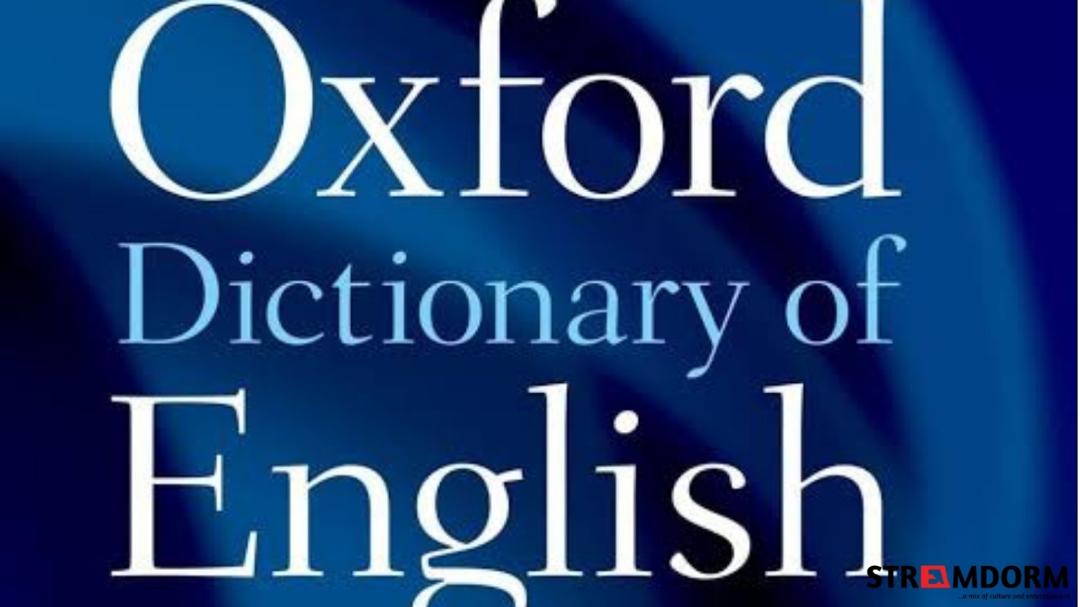
The Oxford English Dictionary (OED) has officially recognized the growing influence of Nigerian and West African English by adding 24 new words and phrases. From everyday slang to local foods and cultural expressions, these words reflect the global reach of Nigerian culture, music, and language.
This update marks a milestone in acknowledging Nigerian English and Pidgin English as vibrant contributors to the English language worldwide.
24 Nigerian Words Now in the Oxford English Dictionary
Here’s the complete list of newly added Nigerian and West African words, now officially part of the global English lexicon:
Abeg – A Pidgin term meaning “please” or used to soften requests.
Abrokyire – From Twi, meaning foreign or overseas countries.
Adowa – Traditional Ghanaian dance style.
Amala – A Nigerian staple swallow made from yam, cassava, or plantain flour.
Ampesi – A Ghanaian boiled dish of tubers like yam or plantain.
Benachin – Senegalese/Gambian one-pot rice dish (similar to jollof).
Bend down (and) select – Refers to choosing second-hand clothes, now used as a noun and verb.
Biko – Igbo word meaning “please,” also used as an interjection for surprise or emphasis.
Domoda – Mandinka peanut and tomato stew.
Dumboy – A Liberian boiled cassava dish.
Ghana Must Go – The iconic checkered travel bag, named after a historical deportation event.
Kpanlogo – A Ghanaian dance and music style.
Light soup – Spicy Ghanaian tomato-based soup.
Mammy Market – Markets traditionally run by women, especially in military barracks.
Moi Moi – Steamed bean pudding from Nigeria (Yoruba origin).
Nawetan – A football tournament in Senegal and Gambia.
Nyash – Pidgin slang for “buttocks” or something attractive.
Obroni – Ghanaian term for foreigner, especially light-skinned people.
Poda-poda – Sierra Leonean minibus taxi.
Swallow – Class of starchy foods eaten by hand (fufu, amala, eba).
Talk less – Phrase meaning “seriously” or “no joke.”
Yassa – Senegalese marinated dish with meat or fish and onions.
Hiplife – Ghanaian music genre combining hip-hop and highlife.
Articulator – Usage noted in West African contexts, added to OED for cultural relevance.
How Nigerian Words Are Going Global
Social Media & Music – Phrases like “Abeg” and “Talk less” trend online, showing how Nigerian Pidgin spreads internationally.
Food & Culture – Words like Moi Moi, Amala, and Yassa reflect Nigeria’s and West Africa’s culinary influence.
Fashion & Lifestyle – “Bend down (and) select” represents local markets and fashion culture that now resonates globally.
Diaspora Influence – Nigerian and Ghanaian communities abroad help these words enter mainstream English.
The Oxford English Dictionary has officially acknowledged what Nigerians have always known: their language, slang, and culture are shaping global English. Next time you say “Abeg” or enjoy Moi Moi, remember: you’re speaking officially recognized English now.
The Africa Cup of Nations (AFCON) 2025 has reached its business end, with CAF officially confirming the quarter-final fixtures following the conclusion of the Round of 16 matches in Morocco.
The last eight features some of Africa’s biggest footballing nations, setting the stage for a series of high-stakes encounters as teams battle for a place in the semi-finals.
AFCON 2025 Quarter-Final Fixtures
Friday, January 9, 2026
Mali vs Senegal – Grand Stade de Tangier
Cameroon vs Morocco – Stade Prince Moulay Abdellah, Rabat
Saturday, January 10, 2026
Algeria vs Nigeria – Stade de Marrakech
Egypt vs Côte d’Ivoire – Stade Adrar, Agadir
The quarter-finals deliver several classic African football rivalries and high-profile matchups.
West African neighbours Mali and Senegal face off in what promises to be a tightly contested encounter, with both sides showing tactical discipline and defensive solidity throughout the tournament.
Hosts Morocco will rely on home support as they take on five-time champions Cameroon, a team known for thriving under pressure in knockout stages.
One of the standout ties sees Nigeria square off against Algeria, a clash between two continental heavyweights with rich AFCON histories. Both teams come into the game with strong momentum after convincing Round of 16 performances.
Meanwhile, Egypt meet Côte d’Ivoire in a fixture that pits AFCON’s most successful nation against the former champions, adding extra weight to an already high-profile contest.
With no clear favourites remaining, AFCON 2025 is shaping up to be one of the most competitive editions in recent years. The winners of these fixtures will advance to the semi-finals, keeping their hopes of continental glory firmly alive.