
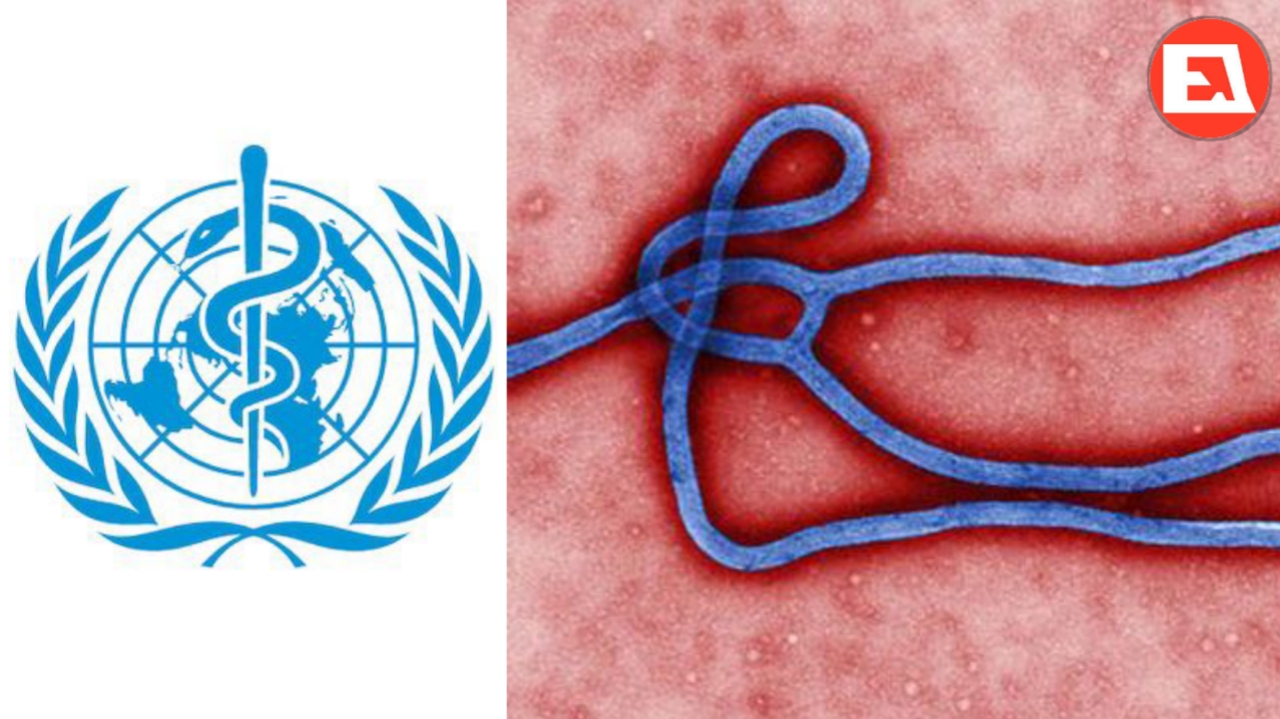
The World Health Organization (WHO) has declared the ongoing Ebola outbreak in parts of Central and East Africa a Public Health Emergency of International Concern (PHEIC), following a rising number of infections and fatalities in the Democratic Republic of the Congo and Uganda.
Health officials confirmed that the outbreak has recorded more than 300 suspected cases and at least 88 deaths, with transmission clusters concentrated in eastern regions of the Democratic Republic of the Congo and cross-border infections detected in Uganda.
According to the WHO, the decision to declare a PHEIC is aimed at accelerating international coordination, mobilizing emergency funding, and strengthening containment measures, rather than signaling uncontrolled global spread.
Despite the severity of the outbreak, WHO officials emphasized that the situation does not meet the criteria for a pandemic. The organization also stated that there is no medical or epidemiological justification for closing international borders at this stage.
Instead, global health authorities are urging countries to focus on enhanced surveillance, rapid case detection, contact tracing, and infection prevention measures to contain the virus at its source.
The outbreak involves the Ebola virus disease, specifically linked to a less common strain that has historically shown high fatality rates and limited treatment options.
Health experts warn that the virus remains highly contagious through direct contact with bodily fluids of infected individuals or contaminated surfaces, making healthcare settings and close-contact communities particularly vulnerable.
Emergency response teams in both affected countries have been deployed to expand isolation units, improve laboratory testing capacity, and support vaccination and treatment efforts where available. Cross-border coordination between Congo and Uganda has also been intensified to track movement-linked infections.
The WHO stated that early containment remains critical, especially in regions with limited healthcare infrastructure and ongoing population movement across borders.
Further updates are expected as surveillance data is refined and response operations continue across both countries.