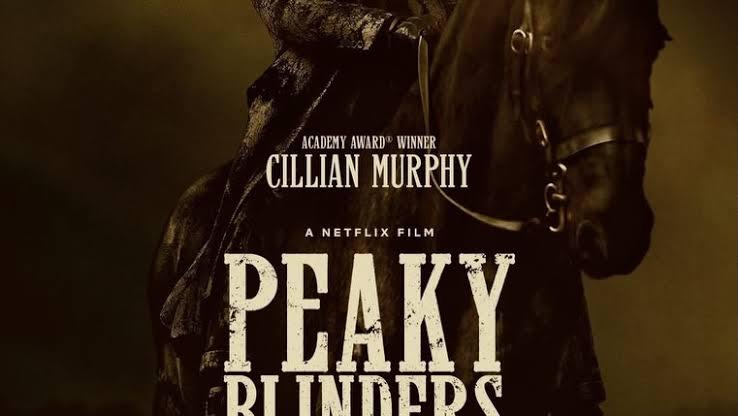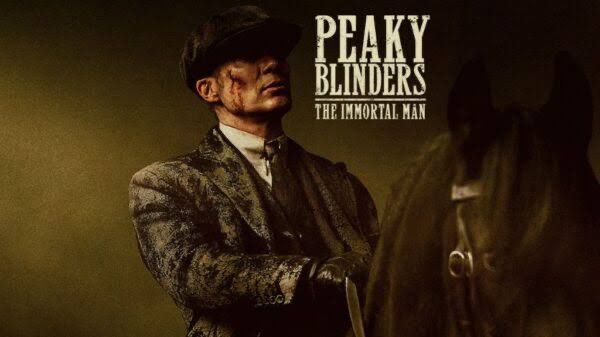
When Peaky Blinders: The Immortal Man was announced, the expectation was simple: a movie conclusion to one of television’s most beloved crime drama series. But as the film arrives, it becomes clear that this is not just about ending a story, it is about reworking how stories end in today’s entertainment landscape.
For a series that began as a gritty, character-driven drama on BBC, Peaky Blinders has grown into a global brand, a cultural reference point.
The Immortal Man follows Tommy Shelby as he emerges from exile during the turbulence of World War II. Drawn back into the streets of Birmingham, he confronts threats both new and old, navigating dangerous alliances, family obligations, and the shadows of his past. The film delves into his tactical mind, exploring how he maneuvers through a city caught between war, crime, and political intrigue, while also introducing new characters who challenge and complicate the world viewers have come to know.
For years, television finales followed a familiar pattern, often building toward a final season that carefully wrapped up every storyline. Peaky Blinders chose a different route.
Rather than extending the narrative into another season, creator Steven Knight opted for a film to close the chapter.
Streaming platforms, especially Netflix, have made it possible for stories to move fluidly across formats. A series can end on television and conclude on a global streaming stage, reaching audiences in ways traditional broadcasting could not achieve.
At the center of it all is Tommy Shelby, portrayed with quiet intensity by Cillian Murphy.
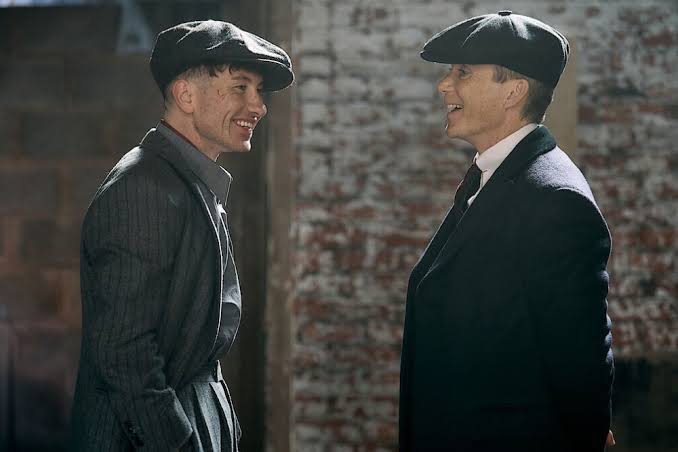
Tommy is not a traditional hero. He is calculated, emotionally guarded, and often morally ambiguous, yet he remains one of the most compelling characters of modern television.
His appeal lies in contradiction. He is a war hero shaped by trauma, a businessman driven by control, and a leader constantly at war with himself. This complexity is what keeps audiences invested.
Viewers over the years have had a change in taste and are no longer drawn to perfect protagonists; they are drawn to layered, conflicted individuals. The antihero has become the defining figure of modern storytelling, and Peaky Blinders played a significant role in shaping that evolution.
Long before Peaky Blinders captured global attention, there was a gang by the same name roaming the streets of Birmingham, England. Active in the late 19th and early 20th centuries, the real Peaky Blinders were a group of working-class young men who made a name for themselves through petty crime, illegal betting, and street violence.
The gang earned their nickname from a dangerous fashion choice: they allegedly sewed razor blades into the peaks of their flat caps, which could be used as weapons in fights. Despite their criminal activity, they were also known for dressing sharply, a style that would inspire the iconic suits, coats, and peaked caps seen on screen today.
Unlike the Shelby family empire in the series, the historical Peaky Blinders were much smaller in scale. Their influence remained mostly local, and while they caused fear in Birmingham neighborhoods, there is no evidence they reached the levels of national or international power depicted in the TV show.
Still, the series captures the spirit of the era. The tension of post-industrial Britain, the struggles of working-class life, and the charisma of young men carving out power in a harsh world. In that sense, the fictional Shelby clan is a modern retelling of a gritty, dangerous, and stylish reality.
When Peaky Blinders concluded its sixth season, it did not feel like a conventional ending. There were unresolved tensions, lingering questions, and a sense that the story still had more to say.
Instead of forcing a complete resolution within the constraints of a television season, the creators preserved narrative weight for a larger stage. The film format allows the story to become more focused while also expanding its scale and emotional impact.
At the same time, this shift introduces a new kind of pressure. A season allows for gradual character development and narrative depth, while a film demands precision and efficiency. Every moment must carry meaning.
There are already indications that the story may continue beyond this film, suggesting that The Immortal Man could be less of a conclusion and more of a transition point.
Beyond its storytelling, the series has shaped fashion, influenced music curation, and built a global fanbase that stretches far beyond its British origins.
In Countries like Nigeria, its influence is particularly visible. The show’s aesthetic, its tone, and its sense of identity have resonated with audiences in a way that goes beyond simple viewership. It has become a reference point in style, content creation, and even branding. Many people over the years have used Tommy’s gangster dress style as their go to custome for their ‘Custome Day’ in tertiary institutions and other social gathering that warrants it.
Peaky Blinders: The Immortal Man may be presented as a finale, but it ultimately feels like something more after watching.
At the center of it all remains Tommy Shelby, a character who continues to embody that more. Much like the world around him, he resists simple conclusions.