Home

Don’t Waste Your 20s Doing These Things: A Guide to Building a Strong Future

Your 20s are often called the most important decade of adulthood. This is when habits form, career paths take shape, and personal choices create ripple effects that last well into your 30s and beyond. While it’s natural to make mistakes, there are some habits and decisions that can quietly waste this golden decade if you’re not careful.

If you’re wondering what to avoid in your 20s, here are ten common traps that can hold you back and how to break free from them.

Living Without Clear Goals

Wandering through your 20s without direction may feel adventurous, but it leaves you unprepared for the future. Set realistic short-term and long-term goals; whether it’s saving a specific amount, pursuing a career milestone, or developing a new skill. Clear goals provide focus and keep you accountable.

Ignoring Financial Discipline

Financial mistakes in your 20s can follow you for decades. Overspending, ignoring savings, and relying on credit cards can pile up debt. Instead, build a budget, start an emergency fund, and explore beginner-friendly investments. Even small steps compound over time.

Staying in Toxic Relationships

Whether it’s a friend who constantly drains your energy or a relationship that holds you back, surrounding yourself with the wrong people can derail your progress. Choose relationships that add value, inspire growth, and bring positivity into your life.

Neglecting Your Health

Skipping exercise, living on junk food, or sacrificing sleep might not show immediate consequences, but they add up. Build sustainable habits like consistent workouts, balanced nutrition, and adequate rest—so you protect your future self from avoidable health struggles.

Read this: Longevity Lifestyle: 7 Habits for a Longer, Healthier Life

Procrastinating on Skill Development

Relying solely on your degree is no longer enough in today’s competitive world. Learn new skills, take certifications, and stay curious. The earlier you invest in personal development, the more doors you’ll open later in life.
Chasing Validation Instead of Purpose

Social media can create pressure to look successful rather than be successful. Don’t let likes or followers define your progress. Focus on meaningful pursuits skills, relationships, and experiences that add lasting value beyond the digital screen.

Playing It Too Safe

The biggest risk in your 20s is not taking any risk at all. Fear of failure often keeps people from starting businesses, moving to new places, or trying different career paths. Use this decade to experiment, fail fast, and learn.

Neglecting Networking

Opportunities rarely come from talent alone; they come from people. Build professional and social networks early. Attend events, connect with mentors, and nurture relationships that could benefit your career and personal growth in the future.

Read this: 5 Habits That Will Transform Your Career in the Next 12 Months

Avoiding Responsibility

Delaying financial planning, career advancement, or personal accountability only makes transitions harder later. Taking responsibility early; whether in managing money or building discipline lays a strong foundation for independence.

Constantly Comparing Yourself to Others

Everyone moves at a different pace. Comparing yourself to friends or online personalities can lead to unnecessary pressure and self-doubt. Measure progress against your past self, not someone else’s timeline.

Your 20s should be about exploration, but not carelessness. Avoiding these common mistakes can save you years of regret and help you step into your 30s with confidence, financial stability, and a strong sense of direction.
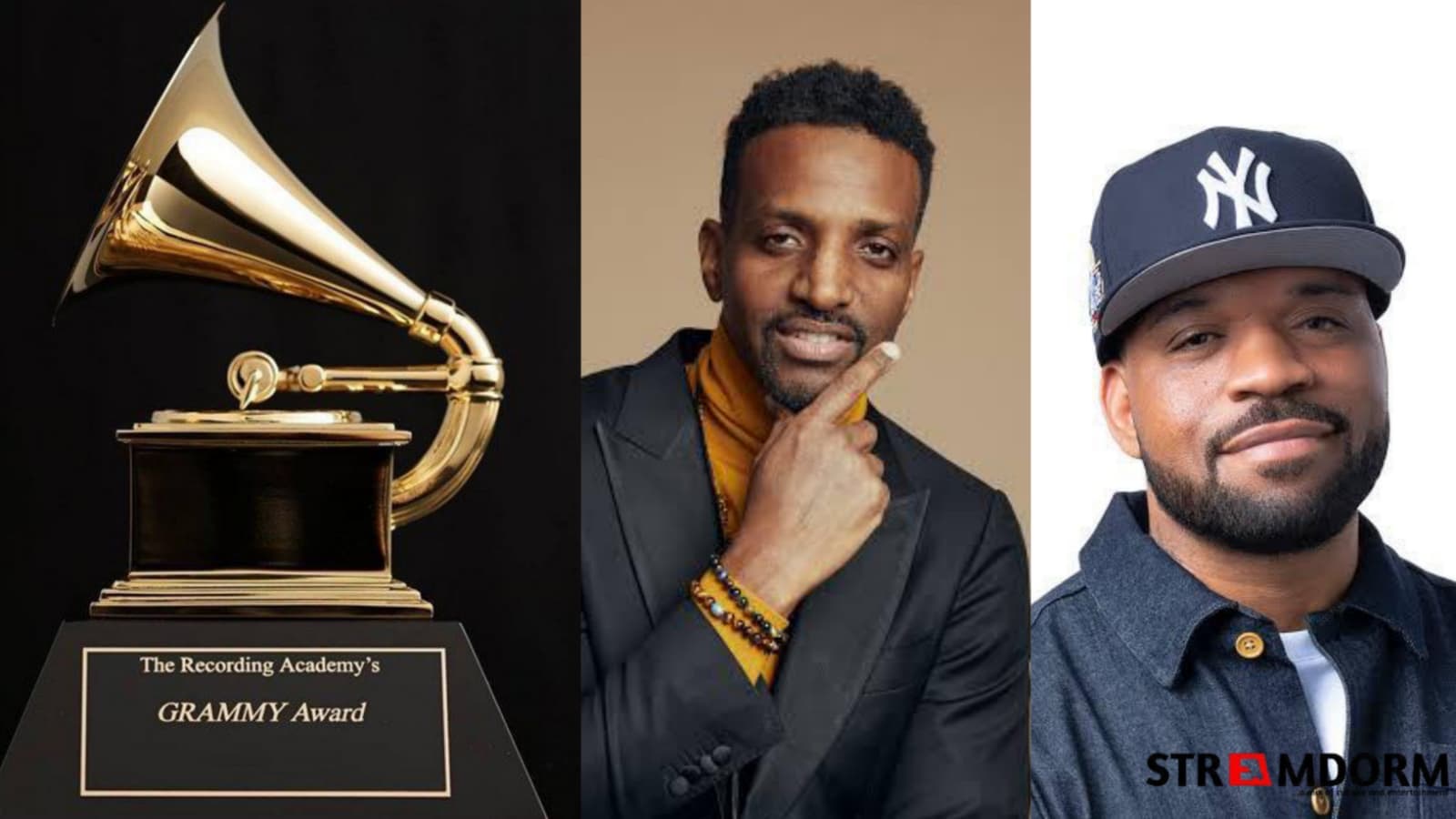
Recording Academy Names J. Ivy and Torae as New Co-Chairs of the Black Music Collective

The Recording Academy has announced the appointment of J. Ivy and Torae as the new Co-Chairs of its Black Music Collective (BMC), signaling a continued commitment to amplifying Black voices and shaping a more inclusive music industry.

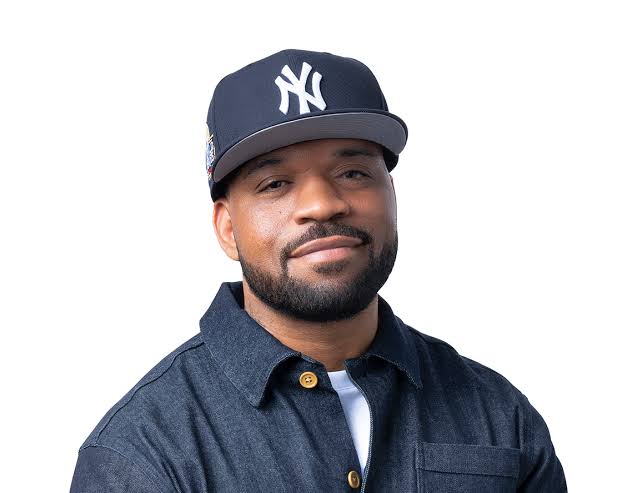
J. Ivy is a three-time Grammy Award-winning poet and recording artist celebrated for works such as The Poet Who Sat By The Door (2023) and The Light Inside (2024). He also serves as Governor of the Recording Academy’s Chicago Chapter, where he has championed creator advocacy and educational programs.

J Ivy

Torae, an artist, songwriter, and media personality, has played an active leadership role within the Academy, serving as President of the New York Chapter and currently as a National Trustee. His work spans music performance, songwriting credits on charting records, and broadcasting, including hosting shows on SiriusXM.

Torae

Together, Ivy and Torae will act as thought leaders for the Black Music Collective, helping design and implement programs that foster advocacy, education, wellness, innovation, and investment, particularly in Historically Black Colleges and Universities (HBCUs).

What Is the Black Music Collective?

The Black Music Collective (BMC) is an advisory group within the Recording Academy established in 2020 to address equity and representation gaps in the music industry. Composed of prominent Black artists, executives, and industry professionals, the BMC serves as a hub for collaboration and action under the Academy’s umbrella.

Its mission is to uplift Black music creators, expand access to opportunities, and ensure the contributions of Black artists are fully recognized. The group operates through initiatives such as:

  1. Scholarships and Education: Programs like the “Your Future Is Now” scholarship, launched with Amazon Music, provide financial and mentorship support to students at HBCUs.
  2. HBCU Love Tour: Engagement programs that bring GRAMMY U and industry experts to campuses, exposing students to music business careers.
  3. Global Impact Awards: A pre-GRAMMY celebration honoring artists and executives such as Missy Elliott, Dr. Dre, Lil Wayne, MC Lyte, John Legend, and Sylvia Rhone for their cultural influence.
  4. Leadership and Advocacy: Guided by Honorary Chairs including Quincy Jones, John Legend, Jimmy Jam, and Yolanda Adams, the BMC drives dialogue and action around systemic change.

Why the Appointment Matters

In a statement, Recording Academy CEO Harvey Mason Jr. praised Ivy and Torae as “stalwart voices for representation and integrity,” noting that their leadership will deepen the Academy’s commitment to celebrating and supporting Black music creators.

The move underscores the Academy’s broader efforts to align with diversity and inclusion goals, ensuring that Black voices are seen, heard, and valued within the music industry’s most influential institution.

As co-chairs, J. Ivy and Torae are expected to shape programs that not only recognize past contributions but also build pipelines for the next generation of creators, particularly in communities that have historically lacked access to resources.

Apple Targets iPhone Redesign Cycle, Foldable Model Expected by 2027

Apple is preparing a major shift in its iPhone lineup, with reports saying the company is working on a redesign cycle that will stretch over the next three years and culminate in the release of its first foldable iPhone. The device is projected to debut in late 2026, with broader availability and market push expected in 2027, coinciding with the iPhone’s 20th anniversary.
Reports say Apple’s strategy begins with the iPhone 17 Air in 2025, designed to be slimmer and lighter. In 2026, attention will turn to the company’s first foldable iPhone, and by 2027 Apple could unveil an all-glass design iPhone to mark two decades since the original launch.

This phased approach reflects how Apple typically introduces major design shifts, ensuring each step aligns with its long-term hardware and ecosystem goals.

Foldable Design in Focus

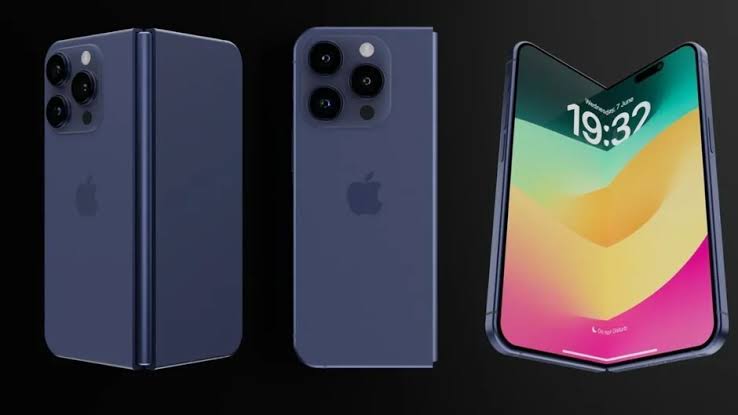
According to supply chain leaks and analyst projections, the foldable iPhone is expected to adopt a book-style design, opening vertically like Samsung’s Galaxy Z Fold models. It could feature a 5.5-inch external screen and a larger 7.8-inch internal display, with Apple reportedly working on ways to minimize the crease effect found in most foldable screens.

Materials under consideration include titanium and stainless steel, providing a balance of durability and lightweight construction. Early specifications suggest a thickness of around 9 mm when folded, and about 4.5 mm when opened.

Key Features Under Review

Reports also say the foldable iPhone may replace Face ID with a side-mounted Touch ID sensor, reflecting design constraints in foldable displays. It could also adopt an eSIM-only setup, dropping the physical SIM slot entirely.

The camera system is rumored to include multiple lenses across different panels; with options on the cover display, the inner screen, and the rear aimed at enhancing both photography and videography.

Image from India Times

Pricing and Market Positioning

Pricing projections for the foldable model range from $2,000 to $2,500, placing it among the most expensive smartphones in the market. Analysts believe Apple will position the device as a high-end flagship for early adopters, while reinforcing its presence in the growing foldable category.
The move comes as global smartphone sales slow and manufacturers search for new growth opportunities. Rivals such as Samsung, Huawei, and Oppo already have multiple foldable devices in the market. Analysts say Apple’s entry, even later than competitors, could reshape consumer demand—just as it did with categories like smartwatches and wireless earbuds.
While Apple has not officially confirmed a foldable iPhone, reports indicate that mass production could begin in 2026. The timing would align with Apple’s strategy of introducing groundbreaking products during milestone years, making 2027 a symbolic target for the device.

For now, customers can expect incremental updates with the iPhone 16 lineup later this year, but all signs point to a more dramatic evolution of the iPhone as Apple prepares for its next chapter.

10 Inspiring Movies About Career, Ambition, and Work-Life Struggles (Hollywood Edition)

Movies often reflect the struggles, ambitions, and dreams that define our professional lives. Whether it’s chasing success, surviving tough bosses, or questioning what really matters, films about careers give us more than just stories, they give us lessons.

Here are 10 unforgettable career movies, each one rich with insight and inspiration.

The Pursuit of Happyness (2006)

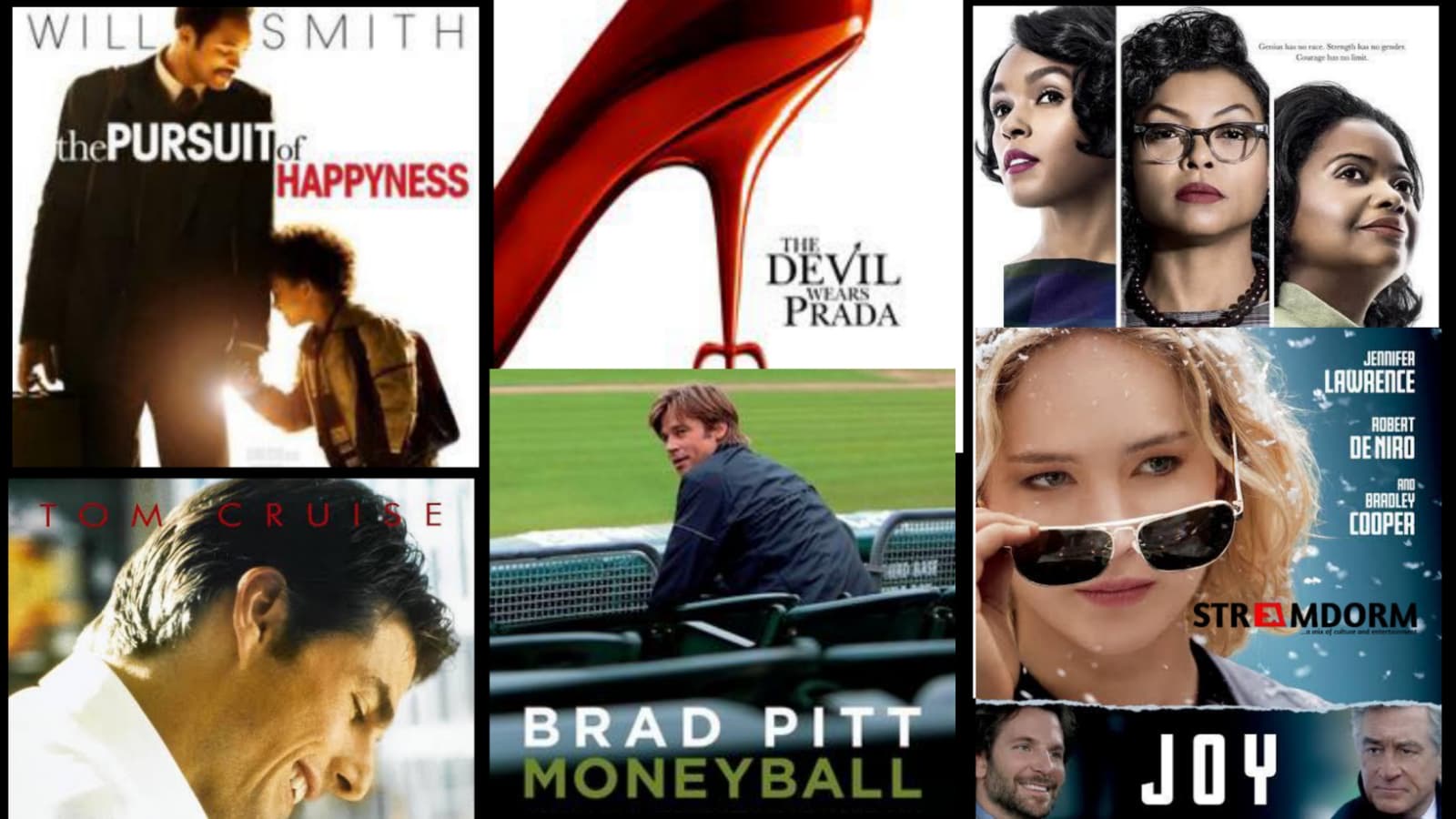
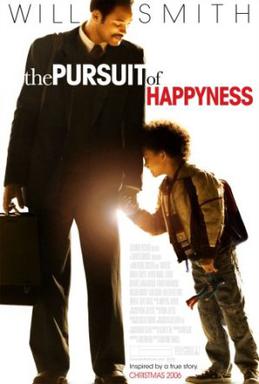
Will Smith plays Chris Gardner, a man struggling to survive after losing his home, his savings, and nearly everything else while raising his young son. Homeless but determined, Gardner fights his way into a competitive brokerage internship with the hope of building a better life. It’s a gut-punching reminder of how difficult chasing success can be when life keeps pushing you down. Yet, it’s also one of the most uplifting career films ever made, proving that persistence, even against impossible odds, can turn dreams into reality.
Career Lesson: Your circumstances don’t define you — perseverance does.

The Devil Wears Prada (2006)

Fresh out of college, Andy Sachs (Anne Hathaway) lands the “dream job” as assistant to Miranda Priestly (Meryl Streep), a legendary fashion editor. But she quickly discovers the cost of ambition in a cutthroat industry; long hours, impossible standards, and the erosion of her personal life. The movie brilliantly captures the toxic glamour of high-powered careers, where success often comes at the expense of identity. Streep’s icy performance as Miranda remains one of the most iconic portrayals of power in cinema.
Career Lesson: Define success on your own terms, not by someone else’s impossible expectations.

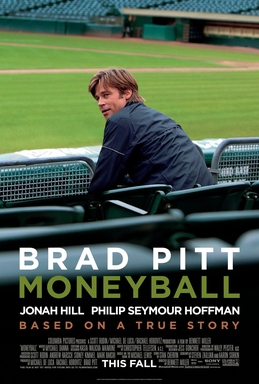
Moneyball (2011)

Brad Pitt stars as Billy Beane, general manager of the Oakland Athletics, who faces the impossible task of competing against big-budget baseball teams with a fraction of their resources. Instead of following tradition, he teams up with a young statistician (Jonah Hill) and pioneers a new system using data and analytics to recruit undervalued players. Beyond baseball, Moneyball is about disrupting old ways of thinking and having the courage to push innovation in a world that resists change.
Career Lesson: Success isn’t always about resources; sometimes it’s about daring to think differently.

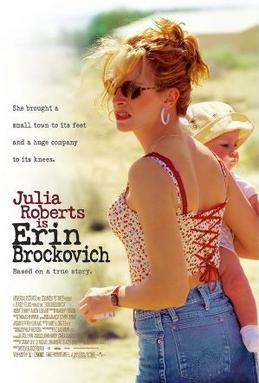
Erin Brockovich (2000)

Based on a true story, Julia Roberts delivers an Oscar-winning performance as Erin Brockovich, a single mother who lands a job as a legal assistant with no law degree or formal training. What she lacks in credentials, she makes up for in passion and persistence, leading her to uncover a massive water contamination scandal caused by a powerful corporation. It’s a story about grit and the ability of ordinary individuals to create extraordinary impact.
Career Lesson: Your passion and drive can open doors that qualifications alone cannot.

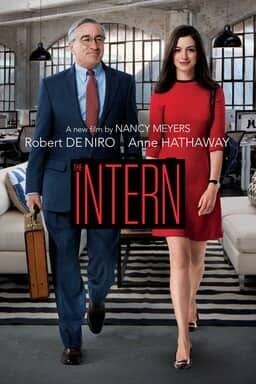
The Intern (2015)

Robert De Niro plays Ben Whittaker, a 70-year-old widower who takes an internship at a fast-paced online fashion company. Initially seen as outdated, his wisdom, calm presence, and life experience quickly prove invaluable to the young CEO (Anne Hathaway). This heartwarming film challenges stereotypes about age and career, showing that reinvention and contribution are possible at any stage of life.
Career Lesson: Experience never goes out of style — every generation brings value to the workplace.

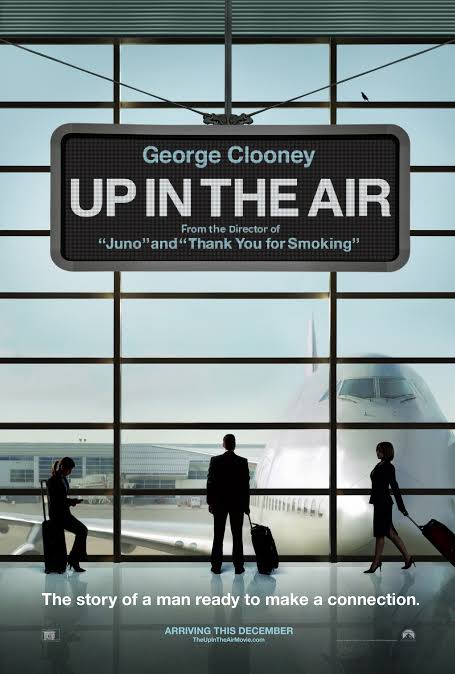
Up in the Air (2009)

George Clooney portrays Ryan Bingham, a corporate downsizer whose job is to fire employees across the U.S. Constantly traveling, living out of a suitcase, and proud of his independence, Ryan seems to have it all figured out, until he begins questioning the emptiness of his personal life. The movie is a sobering look at careers that consume identity, leaving little room for human connection.
Career Lesson: A thriving career means little without relationships and purpose to ground it.

Joy (2015)

Jennifer Lawrence brings to life the struggles of Joy Mangano, an inventor who rises from family dysfunction and financial hardship to create a successful business empire. The film highlights the messy reality of entrepreneurship: betrayal, rejection, and failure at every turn. Yet, Joy’s resilience and vision propel her forward. This isn’t a glamorous take on success; it’s a raw portrayal of the sacrifices and grit required to build something lasting.

Career Lesson: Entrepreneurship isn’t just about ideas — it’s about persistence when the world doubts you.

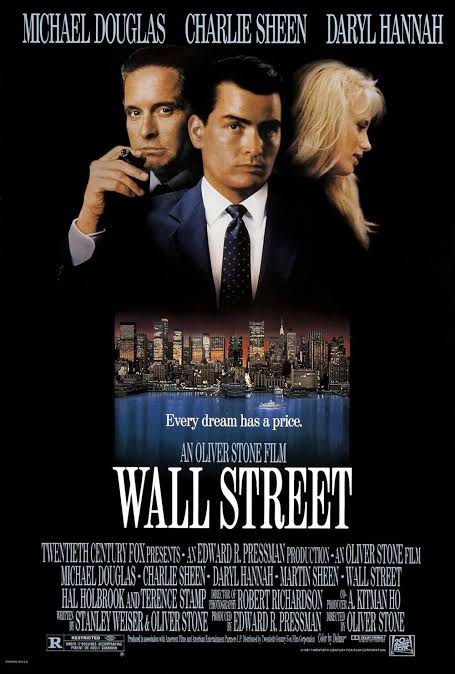
Wall Street (1987)

Oliver Stone’s classic captures the ruthless energy of 1980s finance. Charlie Sheen plays Bud Fox, a young stockbroker lured into the world of corporate greed by Gordon Gekko (Michael Douglas), who utters the infamous line, “Greed is good.” The movie seduces with the promise of wealth and power, but ultimately warns about the destructive consequences of unchecked ambition.
Career Lesson: Ambition without integrity is a hollow victory.

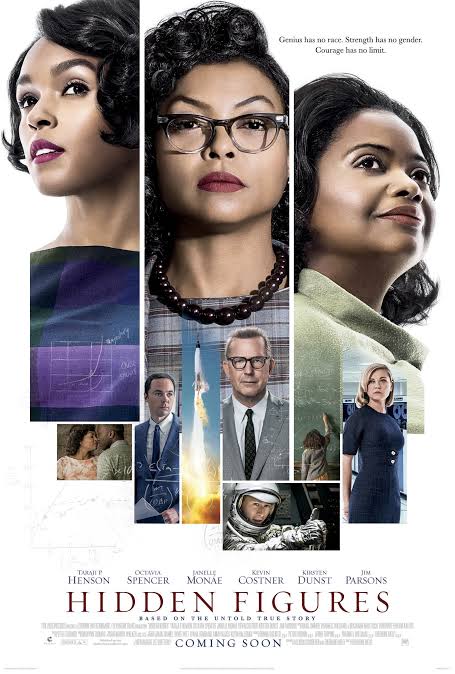
Hidden Figures (2016)

Taraji P. Henson, Octavia Spencer, and Janelle Monáe shine in this inspiring story of three African-American women mathematicians at NASA during the 1960s. Despite facing racial and gender barriers, their brilliance played a crucial role in America’s space missions. Hidden Figures is both a celebration of talent and a reminder of the systemic obstacles many face in their careers.
Career Lesson: Talent can break barriers, but courage and persistence are just as important.

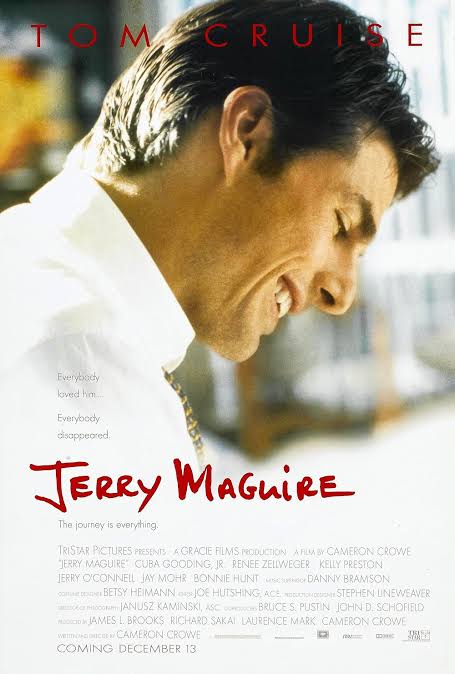
Jerry Maguire (1996)

Tom Cruise stars as Jerry, a sports agent who, after a crisis of conscience, leaves his high-paying job to start his own agency built on honesty and human connection. With just one loyal client (Cuba Gooding Jr.), he learns that true success comes not from chasing numbers but from building meaningful relationships. The film is both a critique of corporate greed and an ode to integrity in business.
Career Lesson: A fulfilling career is built on values, not just victories.

Why These Films Resonate

Each of these movies highlights a different facet of career life; ambition, sacrifice, ethics, innovation, and resilience. Together, they remind us that careers are not just about titles or paychecks, but about choices, values, and the legacy we leave behind.

Which of these films have you seen or look forward to seeing? Or do you have a favorite career-related movie that inspires you?
Drop your reply in the comment — we’d love to feature your picks in the next edition.

Why Sundays in Nigeria Still Feel Sacred

In a world where every day seems to blur into work, hustle, and endless routines, Sundays in Nigeria stand out as a day that feels different. No matter the city or village, the energy shifts on this day. Streets are calmer, kitchens are busier, and families seem to find their way back to each other. In a sense, Sundays still hold a sacred charm that refuses to fade.

A Day of Faith and Reflection

For many Nigerians, Sunday begins with faith. Churches come alive across the country, from the echo of hymns in small village chapels to the energetic praise sessions in mega auditoriums. For Christians, Sunday is not just a day of worship but also of community, a chance to reset spiritually before the week ahead. Even for those who don’t attend services, the aura of quiet reflection and gratitude lingers in the air.

The Tradition of Sunday Rice

If there is one tradition that has stood the test of time, it is the Sunday meal. In countless homes, “Sunday rice” has become more than food; it’s a cultural ritual. Whether it’s jollof, fried, or white rice with stew, the dish unites families together. It’s often the only day when everyone eats together in high spirit, turning a simple meal into a memory that carries through generations.

Rest, Reset, and Reconnection

Unlike other days packed with deadlines and errands, Sunday encourages rest. Children play in the yard, parents catch up on conversations, and some families visit relatives. For many, it’s also a day of slowing down, catching a football match, or simply napping after a heavy lunch. The balance of activity and rest makes Sunday feel like a pause button on life.

A Cultural Constant in Changing Times

Despite Nigeria’s rapid modernization, from bustling tech hubs to non-stop social media, Sundays still retain their sacredness. The blend of faith, family, food, and rest is deeply ingrained in the culture. Even younger generations, who may prefer streaming Netflix or hanging out with friends, often find themselves pulled back into the rhythm of tradition.

More Than Just a Day

Ultimately, Sundays in Nigeria remind us that life is not just about work or survival. It’s about community, togetherness, and honoring traditions that bring meaning to our days. The sacredness of Sunday lies not only in religion but also in the simple joys of food, laughter, and shared time. And in a fast-moving world, that might just be the most important ritual of all.

Retcon and Canon B**llsh*it of James Gunn’s DCU

I think the one thing haters and fans of the DCU can all agree on is that it’s hard to keep up with what is canon – and we’re just 3 projects in.

Many have argued that a full reboot of the DCEU would have better solved these issues, but if you were James Gunn, would you reboot your projects, especially when they are the most loved by the audience? The thought of the question would open another can of worms.

Hired in October 2022, James Gunn and Peter Safran were tasked with ushering in a new era of thriving and coherent DC content. Coming from the mess of the Snyderverse, the Gunnverse came with its own mess… “the not-so-reboot, reboot”.

James Gunn has been on a “tour” trying to explain the DC universe to new and old fans, but that is not enough, as I ask myself in the middle of the night… why not do a full reboot?

The new logic is similar to the logic used in comics. You see, in comics, the writer for the continuity of a project changes hands often, and most times the new writers dislike or forget the old logic, so what they do instead is create a new narrative and gaslight the audience into thinking that what’s always happened. You can take comic events like Jon Kent (Superman’s son) becoming 17 and 10 multiple times with no explanation, or switching from New 52 to Rebirth without explanation.

This, of course, has been discussed by studio execs but hasn’t really been tested on this scale. James Gunn is pushing the boundary and changing how we view superhero media. Take Superman, for example; it is a full-blown comic book movie, and now in Peacemaker, it uses comic book logic to explain to fans that this is a new universe.

The DCU maintains some of the actors and storylines of the DCEU, and this builds a new narrative for this DC Universe. The cast and characters of the DCEU Peacemaker season 1 return for season 2, which is set in the DCU. This caused a bit of a problem amongst the general audience: “Are Suicide Squad, The Suicide Squad, and Peacemaker now canon?” No and yes.

At the beginning of Peacemaker Season 2 Episode 1, we got “previously in the DCU,” an explanation on all thing DCU and what carries over into this new universe. We saw some details change, which include the inclusion of the Justic Gang at the butterfly battle ground on the farm and the green lantern joke. Why not reshoot theses scences? James Gunn explained to TV Insider, “unfortunately I’d have to change too many little things throughout Season 1, and it would cost too much money.” 

The beauty of this new DCU is you can always skip a project but if you choose to follow all, note that it becomes canon if and only if it is mentioned in this new project.

Kisarazu Declared Official Hometown for Nigerians Ready to Live and Work in Japan

Japan has designated Kisarazu City as the official hometown for Nigerians wishing to live and work in the country, offering special visas and economic opportunities to strengthen Nigeria–Japan ties.

Kisarazu Declared Official Hometown for Nigerians in Japan

In a landmark move to deepen ties between Nigeria and Japan, Kisarazu, a coastal city in Chiba Prefecture, has been officially declared the “hometown” for Nigerians looking to live and work in Japan.

The announcement came at the 9th Tokyo International Conference on African Development (TICAD9), where Japan introduced a special visa program for Nigerians. The scheme is designed for highly skilled professionals, artisans, and blue-collar workers willing to upskill, aligning with Japan’s efforts to revitalize its regions and address labor shortages.

Why Kisarazu Was Chosen

Kisarazu holds a unique bond with Nigeria, having hosted the country’s athletes during the Tokyo 2020 Olympics. Its welcoming spirit and existing ties made it the ideal choice for this designation.

The city is just 70 km from Tokyo, connected by the Tokyo Bay Aqua-Line, and offers a thriving economy based on steel, electronics, agriculture, and fishing. It also has modern attractions like Mitsui Outlet Park and cultural highlights such as local seafood cuisine and Kōzō-ji Temple. With affordable living costs and strong community structures, Kisarazu provides an ideal environment for Nigerians to settle.

The Special Visa Program

A key part of this initiative is the creation of a special visa category that will make it easier for Nigerians to relocate to Japan.

  • The visa will target young, highly skilled Nigerians, as well as artisans and blue-collar workers who are willing to undergo upskilling in Japan.
  • The aim is to fill labor shortages in Japan while creating new pathways for Nigerians to access career opportunities abroad.
  • Details such as eligibility criteria, application timelines, and procedures are yet to be finalized. The Japanese government has not announced when Nigerians can start applying, but updates are expected through the Japanese Embassy in Nigeria and the Ministry of Foreign Affairs of Japan.
  • Like other Japanese work visas, the process is likely to involve securing a Certificate of Eligibility (COE) from a Japanese employer or host institution, followed by visa application at the embassy in Nigeria.

Until the program officially launches, Nigerians interested in relocating are advised to monitor official embassy announcements, prepare their professional documentation (CVs, certificates), and stay informed about upskilling opportunities that could qualify them for the program.

A Broader African Initiative

Kisarazu’s designation is part of a wider Japanese strategy to pair cities with African countries:

  • Nagai (Yamagata Prefecture) with Tanzania
  • Sanjo (Niigata Prefecture) with Ghana
  • Imabari (Ehime Prefecture) with Mozambique

These partnerships are aimed at boosting people-to-people exchanges, cultural integration, and local population growth.

At TICAD9, Japanese Prime Minister Shigeru Ishiba also announced a $5.5 billion investment package for Africa, emphasizing youth empowerment, private sector growth, and regional economic development.
This initiative creates a bridge between Nigeria and Japan, opening doors for Nigerians to pursue opportunities abroad while helping Japan tackle its demographic challenges.

What This Means for Nigerians

The “hometown” designation provides several opportunities for Nigerians:

  • Special Visa Pathways for skilled youth, artisans, and professionals.
  • Job Opportunities across Kisarazu’s growing industries.
  • Community Support for cultural integration, including language and adaptation programs.

The formal ceremony marking the designation was attended by Nigeria’s Charge d’Affaires in Japan, Mrs. Florence Akinyemi Adeseke, and Mayor Yoshikuni Watanabe of Kisarazu, solidifying the agreement.

This initiative creates a bridge between Nigeria and Japan, opening doors for Nigerians to pursue opportunities abroad while helping Japan tackle its demographic challenges.

For many Nigerians, Kisarazu is now more than a city, it is an official gateway to Japan.


Burkina Faso Suspends Bill Gates’ GM Mosquito Project Amid Safety and Ethical Concerns

Burkina Faso has suspended the Target Malaria project, halting the release of genetically modified mosquitoes. Here’s why the decision was made, how the technology works, and what it means for Africa’s malaria fight.

Burkina Faso Suspends GM Mosquito Project

Burkina Faso has suspended all activities of the Target Malaria project, a Bill & Melinda Gates Foundation–backed initiative that was testing genetically modified (GM) mosquitoes to curb malaria transmission.

The Ministry of Higher Education, Research, and Innovation issued the suspension order on August 18, 2025, halting trials and sealing off facilities where GM mosquitoes were being bred. Remaining insects are set to be destroyed under biosafety protocols.

This move is seen as a major setback for biotechnology’s role in malaria control, especially as Africa continues to account for more than 95% of global malaria deaths each year.

What Is the GM Mosquito Project?

The GM mosquito project is a scientific effort to fight malaria by altering mosquito populations. There are two main strategies:

  1. Sterile or self-limiting males (non–gene drive): Male mosquitoes are engineered with a genetic trait that prevents female offspring from surviving. Over time, this reduces the mosquito population.
  2. Gene drive mosquitoes (still in development): Using CRISPR gene editing, scientists insert traits that spread quickly through wild populations. These traits could make mosquitoes resistant to malaria parasites or cause female infertility, breaking the cycle of transmission.

African Countries Testing GM Mosquitoes

While Burkina Faso was a pioneer, it is not the only African country exploring genetically engineered mosquitoes:

  1. Burkina Faso: First release in 2019 of sterile Anopheles gambiae males under Target Malaria.
  2. Djibouti (2024–2025): Pilot release of Oxitec’s “Friendly™” Anopheles stephensi mosquitoes to combat urban malaria outbreaks.
  3. Ghana and Uganda: Ongoing lab research under Target Malaria, but no field releases yet.
  4. Tanzania: Transmission Zero project preparing future gene drive trials.

Why Did Burkina Faso Suspend the Project?

Despite initial regulatory approvals, Burkina Faso pulled the brakes for several reasons:

  • Public Opposition: Civil society groups argued there was a lack of transparency and genuine community consent.
  • Scientific Concerns: Independent studies raised issues about genetic stability, hybridization with wild species, and potential unintended ecological impacts.
  • Ethical Questions: Critics said the project offered no immediate health benefits to communities and risked using them as experimental grounds.

The suspension underscores the need for caution, independent review, and stronger community engagement before advancing such high-risk biotechnology in Africa.

What This Means for Malaria Control in Africa

Burkina Faso’s decision puts Africa at a crossroads. While countries like Djibouti continue to test GM mosquitoes, the suspension raises questions about safety, ethics, and public trust.

As malaria remains one of Africa’s deadliest diseases, the challenge is finding the right balance between innovation and precaution. Whether genetically modified mosquitoes become part of the continent’s malaria toolkit will depend on how governments, scientists, and communities navigate these concerns in the years ahead.

Brothers Launch Anti-Obesity Initiative for Children in Britain

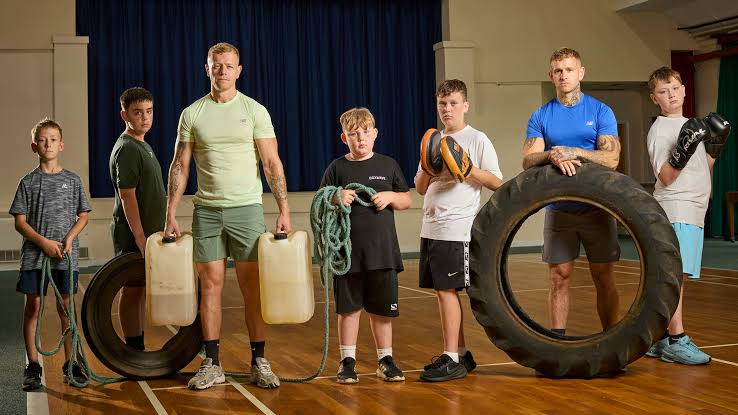
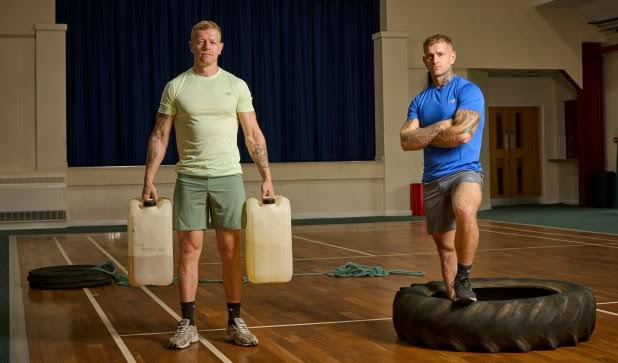
Two former boxers from Warwickshire, Harry and Joe Freeman, have launched a grassroots campaign aimed at tackling childhood obesity and improving children’s mental health across the United Kingdom.

The initiative, called Boxwave, offers free fitness and mentorship programmes in parks, playgrounds, and community spaces, targeting young people struggling with weight, low self-esteem, and social isolation.

According to the brothers, the project was created to provide an accessible and supportive alternative to gym memberships or paid classes. “We wanted to make sure every child, no matter their background, has the chance to feel stronger, healthier and more confident,” Harry Freeman said.

Boxwave’s sessions combine fitness activities such as hill sprints, tyre-pulling, football drills and boxing pad work with motivational mentorship. The approach has already attracted a strong following online, with the brothers building an audience of more than 700,000 on TikTok and Instagram, where they share training videos and success stories.

Since its launch last year, the initiative has reported several success stories. Among them is 10-year-old Jacob, who lost more than three stone through the programme and has since appeared on ITV’s This Morning to speak about his journey. Other children involved have shifted from sedentary lifestyles to active participation in sports and regained confidence after years of bullying.

This autumn, the Freemans plan to expand Boxwave into more than 50 schools through a new campaign titled “The Strongest Generation.” The expansion will be supported by sponsorships and retail partnerships, enabling the programme to host monthly community events across the country.

Although the NHS and local councils have shown interest in collaborating, the brothers say they are determined to keep the service free. “For us, this is about helping children, not creating barriers with costs. That’s why everything we do remains open to anyone who wants to join,” Joe Freeman explained.

The launch of Boxwave comes at a time when childhood obesity in Britain has reached record levels. Recent studies warn that obesity rates, which spiked during the pandemic, could cost the UK billions of pounds in healthcare and economic impact in the coming years.

Health experts say grassroots efforts like Boxwave complement national strategies, such as the government’s £85 million Public Health Innovation Programme and NHS smart-scale clinics for young people.

With its community-first approach and early success stories, Boxwave is positioning itself as one of the most promising grassroots movements in the fight against childhood obesity in the UK.

Sailing Beyond Sparrow: Disney’s Plans for a Pirates of the Caribbean Reboot

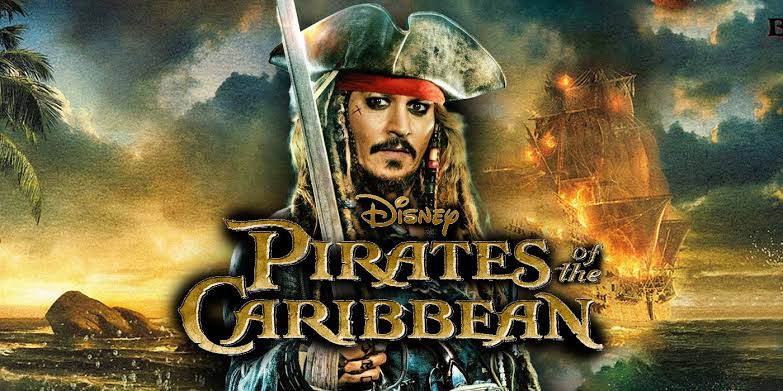
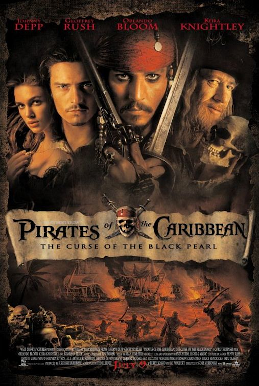
When Pirates of the Caribbean: The Curse of the Black Pearl hit cinemas in 2003, few expected it to spark a billion-dollar phenomenon. What started as a risky gamble; a film based on a Disneyland theme park ride quickly transformed into one of Disney’s most lucrative and enduring live-action franchises. Johnny Depp’s flamboyant and unpredictable performance as Captain Jack Sparrow not only earned him an Academy Award nomination but also redefined how audiences imagined pirates on screen. The success of that first adventure set the stage for a sprawling saga that would stretch across five films, exploring supernatural curses, legendary figures, and high-seas betrayals. Now, with Disney charting a bold new direction, the franchise once again stands at the brink of reinvention.

The Expanding Seas of the Sequels

The triumph of The Curse of the Black Pearl made sequels inevitable, and Disney wasted no time turning the swashbuckling hit into a trilogy. In 2006, Dead Man’s Chest arrived and expanded the lore with the terrifying figure of Davy Jones, master of the Flying Dutchman, whose tentacled face and heart locked away in a chest became iconic symbols of the series. The film not only deepened the mythology but also delivered grand spectacle, from the Kraken’s attacks to Sparrow’s frantic bargaining with fate. Audiences responded enthusiastically, propelling the film past the billion-dollar mark at the global box office, a milestone that cemented the franchise as more than just a novelty.

The following year, At World’s End attempted an even more ambitious narrative, weaving together multiple storylines of betrayal, sacrifice, and shifting alliances. With the introduction of the nine pirate lords and a climactic battle in a maelstrom, the film carried both the grandeur and the complexity of an operatic finale. Though critics were divided over its dense storytelling, fans were treated to one of the most visually spectacular finales of the 2000s, with Jack Sparrow, Will Turner, and Elizabeth Swann caught in the storm of destiny. For many, this marked the natural endpoint of the original saga, closing the arcs of its central characters while leaving the door slightly ajar for Sparrow’s continuing misadventures.

But Disney was not ready to dock the Black Pearl just yet. In 2011, the franchise returned with On Stranger Tides. With Gore Verbinski stepping away from directing and Rob Marshall at the helm, the film shifted toward a standalone adventure, introducing the infamous Blackbeard, played by Ian McShane, and a quest for the Fountain of Youth. Penélope Cruz brought fiery energy as Angelica, a woman from Sparrow’s past whose motives were as murky as the seas they sailed. Though critics found the story thinner and less charming than the original trilogy, the film once again proved the enduring appeal of the brand, grossing over a billion dollars worldwide.

The most recent entry, Dead Men Tell No Tales (2017), brought back a sense of legacy. Javier Bardem delivered a haunting performance as Captain Salazar, a vengeful ghost hunting Sparrow, while the film tied itself to earlier mythology by revisiting the cursed fate of Will Turner aboard the Flying Dutchman. It also introduced a new generation of adventurers in Henry Turner and Carina Smyth, setting up the possibility of passing the torch. Despite mixed reviews, the film rekindled nostalgia by reuniting audiences with Orlando Bloom and Keira Knightley, albeit briefly, reminding fans of the franchise’s emotional core.

Through these sequels, Pirates of the Caribbean became a rare blend of gothic fantasy, slapstick comedy, and mythmaking. It crafted a world where cursed treasure and ghost ships were as real as shifting allegiances and romantic entanglements, a formula that audiences around the globe could not resist.

New Horizons: Reboots and Spin-Offs

Now, nearly two decades after the first film, Disney is preparing to chart a new course for the franchise. Producer Jerry Bruckheimer has confirmed that the next entry will not be a continuation of Jack Sparrow’s adventures but a complete reboot. This means fresh characters, a brand-new storyline, and a creative attempt to reimagine the franchise for a new generation of audiences. Screenwriter Jeff Nathanson, who previously penned Dead Men Tell No Tales, is tasked with bringing this vision to life. Reports suggest that the script has been undergoing refinements, especially in its third act, as Disney aims to launch a saga that feels distinct yet still carries the adventurous spirit fans expect.

At the same time, Disney has been developing a separate spin-off project, one that could shift the franchise in a bold direction. Academy Award nominee Margot Robbie has been linked to the film, with Christina Hodson, known for Birds of Prey, attached as the screenwriter. Robbie herself revealed in 2022 that the project seemed to have been scrapped, but Bruckheimer has since stated that Disney remains committed to the idea. If realized, this spin-off would likely focus on a female-led pirate crew, opening up new narratives within the vast Caribbean seas and breaking away from the male-dominated stories of the past.

Still, one question looms larger than all others: will Johnny Depp ever return as Captain Jack Sparrow? His portrayal of the rum-loving trickster is inseparable from the franchise’s identity. While Depp’s tumultuous legal battles and estrangement from Disney once made a return unlikely, recent comments from Bruckheimer suggest that if the right script comes along and Depp agrees, a comeback could happen. Orlando Bloom, who played Will Turner, has also voiced that a successful revival would require bringing back “everybody,” emphasizing that the original crew remains the heart of the franchise. Whether Disney will balance this nostalgia with its plans for a reboot remains uncertain.

The Legacy of the Black Pearl

As Pirates of the Caribbean prepares for its next voyage, it faces the challenge of honoring its legacy while steering into new waters. For many fans, the franchise is not just about ghost ships or cursed coins, it is about the unhinged charm of Jack Sparrow, the sweeping romance of Will and Elizabeth, and the eerie grandeur of seafaring legends come to life. Any attempt to reboot the series must grapple with this weight of expectation, delivering something fresh without losing what made the films beloved in the first place.

Yet, Disney’s confidence in rebooting and expanding the franchise signals that the seas are far from quiet. The world of Pirates of the Caribbean is one rich with untold stories: hidden islands, legendary figures, and the eternal clash between freedom and order. Whether through a new generation of characters or a long-awaited reunion of the original cast, one thing remains certain, the horizon still holds treasure, and the adventures are far from over.


Scroll to Top