Home

CAF Reaffirms Morocco as Host of WAFCON 2026

The Confederation of African Football (CAF) has officially confirmed that Morocco will host the 2026 Women’s Africa Cup of Nations (WAFCON), putting to rest recent speculation about a possible relocation or postponement of the tournament.

CAF President Patrice Motsepe emphasized that Morocco remains fully committed and prepared to stage the tournament, which is scheduled to take place from 17 March to 3 April 2026. The decision ensures that the tournament, which also serves as a qualifying event for the 2027 FIFA Women’s World Cup, will proceed as planned.

This announcement comes after discussions in some quarters about the potential for a change of host nation. CAF clarified that Morocco had met all organizational requirements and that there were no obstacles to continuing as hosts.

The 2026 edition of WAFCON will see teams from across Africa compete for continental glory, building on Morocco’s successful hosting of the 2022 WAFCON. CAF’s reaffirmation signals confidence in Morocco’s ability to deliver a world-class tournament, complete with top-notch stadiums, facilities, and fan engagement.

In the first days of February 2026, reports circulated in African media and social channels suggesting that Morocco had withdrawn from hosting WAFCON 2026, and that South Africa might take over. These claims were amplified after South Africa’s Deputy Minister of Sport, Arts and Culture, Peace Mabe, publicly stated that South Africa would host the tournament, implying Morocco could no longer stage it. 

This assertion quickly made headlines and sparked debate across sports outlets and social media but it had no formal backing from CAF at the time. Instead, it emerged from contradictory statements within South African government ranks, where the deputy minister’s comments were later refuted by the South African Sports Minister’s office, which clarified that they were speaking about willingness to assist, not a confirmed hosting change. 

For African women’s football, this is a crucial milestone. With increased investment and visibility, WAFCON continues to grow as a platform that showcases the continent’s talent and inspires the next generation of female footballers. Morocco’s hosting is expected to bring in fans from across Africa and beyond, further cementing the tournament’s prestige and influence in global women’s football.

CAF’s statement underscores that the countdown to WAFCON 2026 is on, and Morocco is ready to welcome the continent’s best teams to a festival of football, passion, and empowerment.

UEFA to Review VAR Use at End of Season: What Fans Should Expect

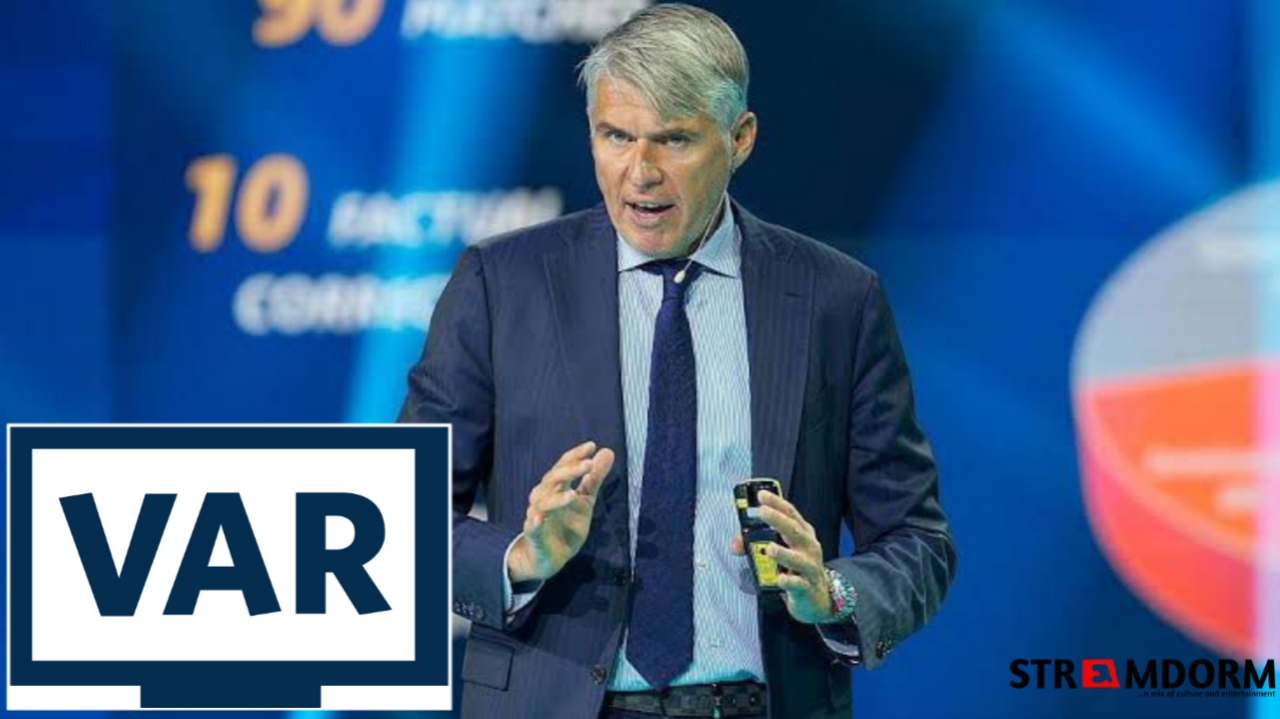
European football’s governing body, UEFA, has officially announced a review of Video Assistant Referee (VAR) usage at the end of the 2025/26 season. The move comes amid growing debates about how VAR is applied in big matches and whether it sometimes interrupts the flow of the game. 

VAR was originally introduced to correct clear and obvious mistakes on the pitch, such as offsides, mistaken identity, and disputed goals. Its purpose was to support referees without taking over the game. However, UEFA’s head of refereeing, Roberto Rosetti, has expressed concern that VAR may now be overused, particularly in subjective decisions like handballs or fouls. He warns that the system risks becoming too “microscopic,” focusing on minor details rather than major, match-changing incidents. 

Roberto Rosetti explained that interventions in minor situations can slow down matches and frustrate players, coaches, and fans. While factual calls like offsides are generally handled accurately, subjective decisions often lead to inconsistency and debate, reducing trust in the system.

UEFA plans to conduct a formal review at the end of the season, focusing on streamlining VAR interventions, concentrating on clear and obvious errors, and ensuring consistency across European competitions. The review will also look at improving training and protocols for VAR officials. This could reshape how referees and video officials work together, affecting both domestic leagues and UEFA tournaments like the Champions League and Europa League.

VAR has undoubtedly improved fairness in football by correcting major errors. Yet, when overused, it can disrupt the flow of the game and take away from the excitement that fans expect. UEFA’s review signals that change may be coming, aiming to balance accuracy with the natural rhythm and drama of football. For fans, the key takeaway is clear: expect fewer interruptions for minor incidents and a stronger focus on decisions that truly affect match outcomes.

Full List of Host Cities and Stadiums Confirmed for the 2026 FIFA World Cup as Tournament Expands to 104 Matches

Global football is heading into uncharted territory as FIFA confirms the complete list of host cities and stadiums for the 2026 FIFA World Cup; the biggest edition in the tournament’s history. Scheduled to run from June 11 to July 19, 2026, the competition will feature 48 teams and 104 matches across 16 cities in the United States, Mexico, and Canada.

This marks the first time the men’s World Cup will be co-hosted by three nations and the first edition to operate under FIFA’s expanded format, a move designed to broaden global participation and increase competitive opportunities across continents.

The 2026 tournament represents a significant shift in how international football’s biggest event is staged. The expansion from 32 to 48 teams brings more nations into the spotlight, increases match volume, and extends the tournament calendar. North America’s modern infrastructure, commercial appeal, and football growth make it the ideal stage for such a large-scale evolution.

The opening match will take place in Mexico City, while the final is scheduled for the New York/New Jersey metropolitan area;  two venues that symbolize both the sport’s history and its expanding global future.

United States Host Cities and Stadiums

The United States will host the majority of matches across 11 venues:

  • New York/New Jersey: MetLife Stadium (New York New Jersey Stadium)
  • Los Angeles: SoFi Stadium (Los Angeles Stadium)
  • Dallas: AT&T Stadium (Dallas Stadium)
  • Atlanta:  Mercedes-Benz Stadium (Atlanta Stadium)
  • Kansas City: GEHA Field at Arrowhead Stadium (Kansas City Stadium)
  • Houston: NRG Stadium (Houston Stadium)
  • Philadelphia: Lincoln Financial Field (Philadelphia Stadium)
  • Seattle: Lumen Field (Seattle Stadium)
  • San Francisco Bay Area:  Levi’s Stadium (San Francisco Bay Area Stadium)
  • Miami: Hard Rock Stadium (Miami Stadium)
  • Boston: Gillette Stadium (Boston Stadium)

Mexico Host Cities and Stadiums

Mexico continues its long-standing World Cup tradition with three host venues:

  • Mexico City: Estadio Azteca (Mexico City Stadium)
  • Guadalajara: Estadio Akron (Guadalajara Stadium)
  • Monterrey: Estadio BBVA (Monterrey Stadium)

Canada Host Cities and Stadiums

Canada will make its men’s FIFA World Cup hosting debut with two cities:

  • Toronto: BMO Field (Toronto Stadium)
  • Vancouver: BC Place (Vancouver Stadium)

With more teams and a record-breaking match schedule, the 2026 FIFA World Cup is set to deliver an unprecedented level of access and entertainment for fans worldwide. The larger format offers increased opportunities for emerging football nations while ensuring more games across a wider geographical region.

As qualification campaigns continue around the world, attention will increasingly turn toward the 16 confirmed host cities preparing to welcome millions of fans for a tournament that could redefine the modern World Cup experience.

Ruger’s “Girlfriend” Hits 100 Million Streams on Spotify, Becomes His Second Song After “Dior”

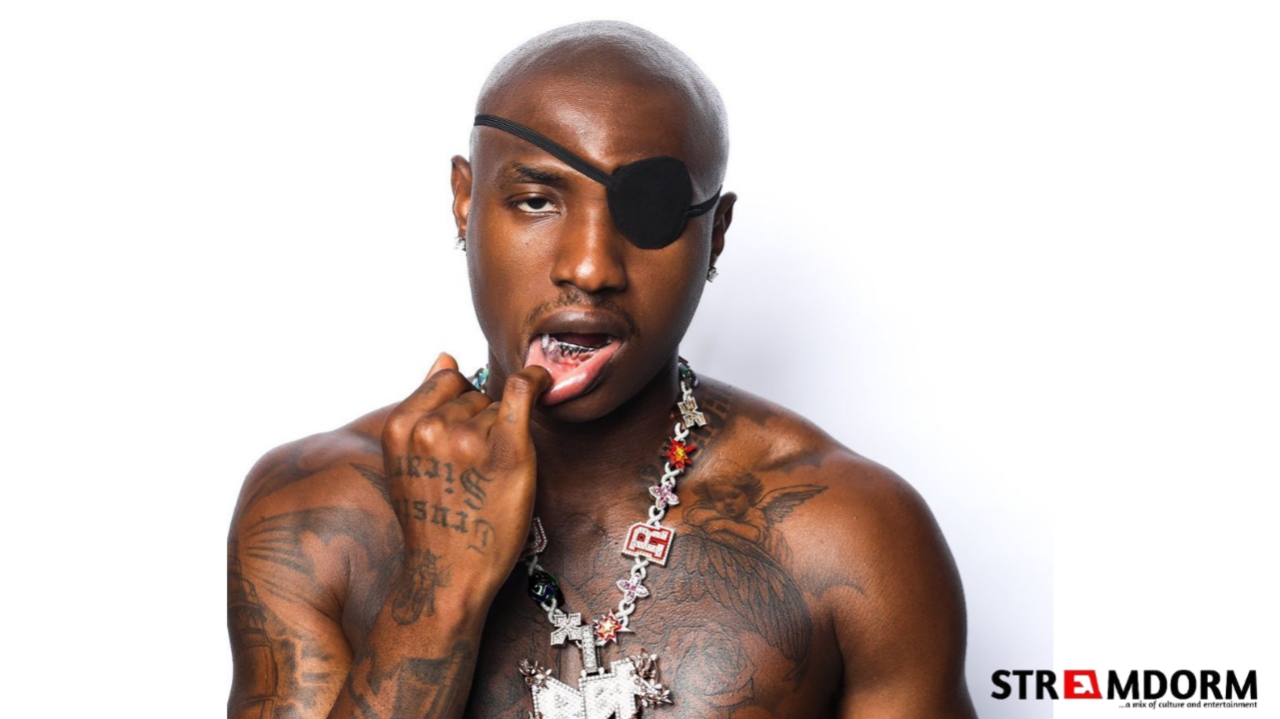
Nigerian Afrobeats star Ruger has reached another major career milestone as his hit single Girlfriend surpasses 100 million streams on Spotify. The achievement marks his second song to cross the landmark on the platform, further reinforcing his growing influence within the global Afrobeats movement.

Originally released during Ruger’s breakout phase, “Girlfriend” quickly became a fan favourite thanks to its infectious melody, confident vocal delivery, and strong replay value. Over time, the record moved beyond viral success to become a staple on international Afrobeats playlists, contributing to its steady climb toward the 100 million milestone.

Before “Girlfriend,” Ruger had already achieved the same feat with Dior, one of the biggest records of his early career. “Dior” played a significant role in introducing the singer to global audiences and remains one of his most commercially successful songs. With two tracks now surpassing 100 million streams on Spotify, Ruger joins a growing group of Nigerian artists demonstrating strong catalogue performance on international streaming platforms.

The milestone also reflects the broader expansion of Afrobeats worldwide. Nigerian artists continue to reach major digital benchmarks, and Ruger’s consistent streaming numbers highlight how emerging stars are turning early buzz into sustained global recognition.

As his catalogue grows and his international fanbase expands, achievements like this position Ruger as one of the most consistent young voices in contemporary Afrobeats. For now, “Girlfriend” crossing 100 million streams stands as another significant chapter in a career that continues to build momentum.

5 Natural Remedies for Healthy Teeth and Gums

Maintaining healthy teeth and gums goes beyond brushing and flossing. While proper dental hygiene remains essential, certain natural remedies can support oral health by reducing bacteria, soothing gum inflammation, and strengthening teeth. These remedies are simple, affordable, and easy to incorporate into your daily routine.

Here are five natural remedies that can help promote healthy teeth and gums.

1. Salt Water Rinse

Salt water is one of the oldest and most effective natural mouth cleansers. It helps reduce bacteria, ease gum swelling, and speed up the healing of minor mouth sores.

How to use: Mix half a teaspoon of salt in a cup of warm water. Rinse your mouth for about 30 seconds and spit it out. This can be done once or twice daily.

2. Coconut Oil (Oil Pulling)

Coconut oil contains natural antibacterial compounds that may help reduce plaque and harmful oral bacteria.

How to use: Swish one tablespoon of coconut oil around your mouth for 10–15 minutes, then spit it out and rinse with water. This is best done in the morning before brushing your teeth.

3. Aloe Vera Gel

Aloe vera is known for its soothing and anti-inflammatory properties. It may help calm irritated gums and reduce plaque buildup.

How to use: Apply a small amount of pure aloe vera gel directly to your gums. Leave it on for a few minutes, then rinse thoroughly. Use once daily.

4. Green Tea

Green tea is rich in antioxidants that support gum health and help fight harmful bacteria in the mouth.

How to use: Drink unsweetened green tea regularly. Avoid adding sugar, as it can counteract the benefits.

5. Crunchy Fruits and Vegetables

Foods like apples, carrots, and cucumbers help clean teeth naturally while stimulating saliva production. Saliva plays a key role in washing away food particles and neutralizing acids in the mouth.

Best options: Apples, carrots, celery, and cucumbers.

Natural remedies can be a helpful addition to your oral care routine, but they work best when combined with good dental habits.

Disclaimer

This article is for informational purposes only and does not replace professional dental care. Always brush twice daily with fluoride toothpaste, floss regularly, and visit a qualified dentist for routine check-ups and treatment.

Charli XCX Drops Wuthering Heights Soundtrack Album Alongside Film Premiere

British pop star Charli XCX has officially released the Wuthering Heights soundtrack album, arriving the same day as the new film adaptation directed by Emerald Fennell. The project marks a major creative shift for the artist, blending cinematic storytelling with her experimental pop sensibilities.

The album serves as a companion to the latest screen adaptation of Wuthering Heights, offering original songs designed to capture the gothic, emotional tone of the classic literary story. Rather than a traditional compilation soundtrack, the release is built around new material written and performed by Charli XCX specifically for the film’s narrative and atmosphere.

Released through Atlantic Records, the soundtrack is available across major digital streaming platforms, with physical formats including CD, vinyl, and cassette also confirmed. The rollout places the project among the week’s biggest music releases, arriving during a competitive New Music Friday window.

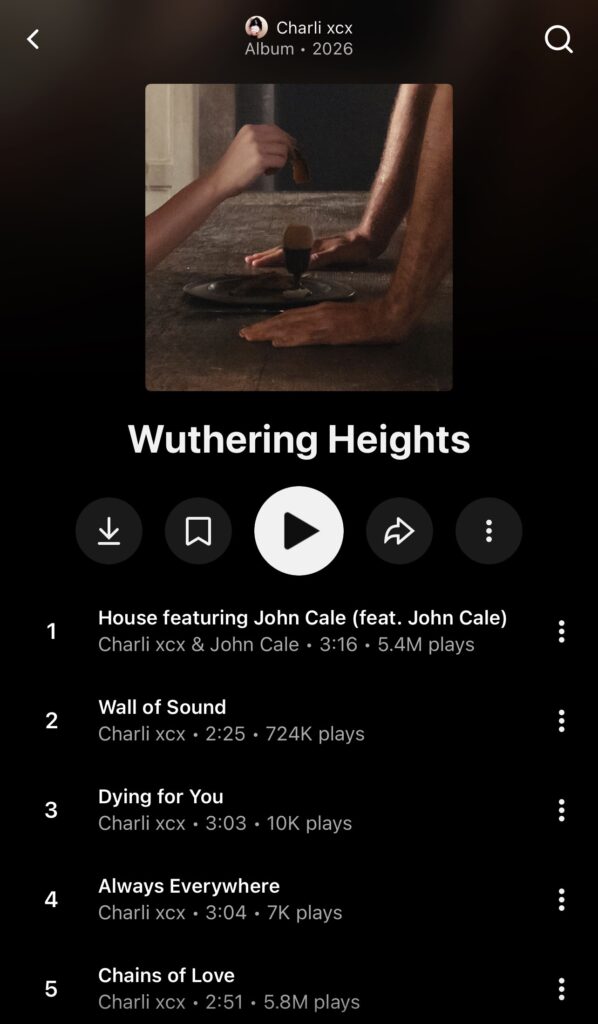
Wuthering Height Soundtrack – Full Tracklist

  1. House (feat. John Cale)
  2. Wall of Sound
  3. Dying for You
  4. Always Everywhere
  5. Chains of Love
  6. Out of Myself
  7. Open Up
  8. Seeing Things
  9. Altars
  10. Eyes of the World (feat. Sky Ferreira)
  11. My Reminder
  12. Funny Mouth 
Screenshot

Early previews of the album highlighted its darker sonic direction compared to Charli XCX’s recent pop-leaning era, leaning into dramatic production, atmospheric vocals, and cinematic storytelling. Industry observers note that the project reflects a growing trend of major artists taking on full soundtrack-driven roles in film adaptations.

The release arrives at a time when crossover projects between film and mainstream pop continue to gain traction globally, with artists increasingly involved in narrative-focused albums tied to major motion pictures.

With the Wuthering Heights soundtrack now officially available, the project positions Charli XCX at the center of both the music and film conversation this week, merging literary legacy with modern pop experimentation.

Energy Drinks & Nigerian Youth: Experts Warn of Hidden Health Risks as Consumption Rises

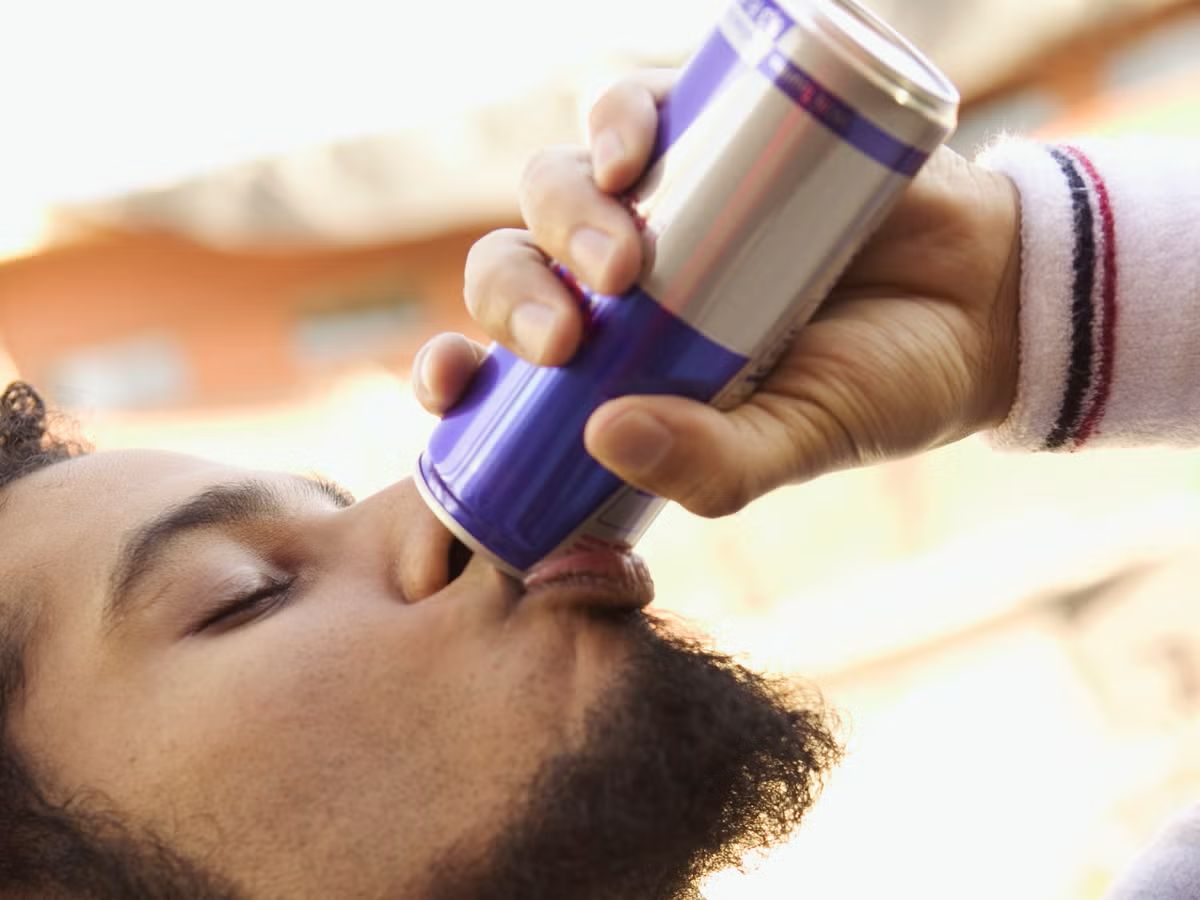
Across Nigeria’s campuses, gyms, gaming lounges, and late-night workspaces, energy drinks have quietly become part of everyday youth culture. They promise instant alertness, improved performance, and a boost strong enough to power through exams, work deadlines, workouts, and nightlife. For many young Nigerians juggling multiple responsibilities. 

But beneath the flashy marketing and bold flavours lies a growing public health conversation. Medical professionals and nutrition experts are increasingly raising concerns about how often young people consume these drinks, how early some begin, and how little most consumers actually understand about what they contain.

Energy drinks are not inherently harmful when consumed responsibly, but regular or excessive consumption can come with real health risks, especially for teenagers and young adults whose bodies are still developing. As Nigeria’s youth population continues to grow and health awareness expands, the question is no longer whether energy drinks are popular. The real question is what long-term effects may emerge from a culture built around constant stimulation.

This report explores the hidden health risks, common misconceptions, and what Nigerian youth need to know to make safer decisions.

Energy drinks have surged in popularity over the past decade, driven by aggressive marketing campaigns, celebrity endorsements, and lifestyle branding that links them to productivity, fitness, and nightlife. In major Nigerian cities such as Lagos, Abuja, Benin, and Port Harcourt, they are now widely available in supermarkets, roadside kiosks, gyms, and university campuses.

Many young Nigerians rely on them during late-night study sessions, demanding work schedules, gaming and streaming activities, workouts, long-distance travel, and social outings. Because they are easily accessible and relatively affordable compared to imported supplements, they have become a quick solution for fatigue. During exam periods, some students consume multiple cans daily, while others combine them with alcohol during social events, a trend that health professionals warn against.

The normalization of frequent consumption remains one of the biggest concerns highlighted by public health experts.

Most energy drinks contain a similar mix of ingredients despite differences in branding. High caffeine levels are one of the main components, sometimes equivalent to several cups of coffee. Many brands also include large amounts of sugar, which can exceed recommended daily intake levels. Additional stimulants such as taurine, guarana, and ginseng are commonly added to enhance alertness and perceived performance. Artificial flavours and preservatives are used to extend shelf life and create strong taste profiles that encourage repeated consumption.

The concern lies not only in individual ingredients but in the combined effects and the frequency with which these drinks are consumed.

High caffeine intake can raise heart rate and blood pressure, potentially leading to palpitations, dizziness, or feelings of anxiety. For young individuals with undiagnosed heart conditions or sensitivity to stimulants, the risks may be more significant. Over time, excessive consumption can place strain on the cardiovascular system.

Sleep disruption is another major concern. Many students use energy drinks to stay awake longer, but chronic lack of sleep can weaken memory, reduce academic performance, and increase stress levels. While the drinks may provide temporary alertness, long-term sleep deprivation can negatively affect mental clarity and overall health.

Mental health effects are also being discussed more frequently. Large amounts of stimulants may trigger restlessness, irritability, mood swings, or anxiety-like symptoms in some users. For young people already managing academic pressure or social stress, these effects may worsen emotional wellbeing.

Frequent intake of sugary energy drinks can contribute to weight gain, dental problems, and an increased risk of long-term metabolic issues. Because energy drinks are often consumed quickly, users may not fully realize how much sugar they are taking in.

The growing trend of mixing energy drinks with alcohol adds another layer of risk. Stimulants can mask the feeling of intoxication, causing individuals to consume more alcohol than they intended, which increases the likelihood of impaired judgment and health complications.

Several factors make Nigerian youth more likely to rely on energy drinks. Academic pressure and economic demands often push young people toward quick energy solutions. Hustle culture and the need to balance multiple income streams contribute to irregular sleep patterns. Limited awareness about nutrition labels and the influence of aggressive marketing also play a role. Digital habits and late-night social media use further reduce sleep quality, making stimulant drinks appear necessary for daily functioning.

A widespread misconception is that energy drinks are the same as sports drinks, even though sports drinks are typically designed for hydration during physical activity rather than stimulation. Another belief is that regular gym-goers require energy drinks to perform well, despite the fact that balanced meals and hydration are usually sufficient. Some young people assume that their age protects them from negative effects, yet tolerance to stimulants varies widely from person to person. There is also a growing belief that sugar-free versions are completely safe, even though they may still contain high levels of caffeine and other stimulants.

Health professionals generally encourage moderation and informed decision-making. Being aware of caffeine intake, paying attention to body reactions, and maintaining regular sleep patterns are often emphasized in public health discussions. Experts also caution against combining energy drinks with alcohol and encourage young people to view these beverages as occasional products rather than daily necessities. Natural hydration and balanced nutrition remain the most reliable ways to sustain energy levels over time.

As awareness grows, many experts believe schools and community organizations have an important role to play in educating young people about nutrition and stimulant use. Clearer labeling, responsible advertising practices, and public health campaigns could help consumers better understand what they are drinking. In a country with a large youth population like Nigeria, preventive education could be essential in shaping healthier lifestyle habits and reducing long-term health risks.

Energy drinks have become a defining symbol of modern hustle culture, offering quick stimulation in a fast-paced world. While they may provide temporary boosts in alertness, they also carry potential health risks that many young Nigerians are only beginning to recognize.

The discussion is not about fear or complete avoidance. It is about awareness, moderation, and informed choices. In a generation already navigating academic stress, economic pressure, and digital overload, sustainable habits may offer more lasting energy than any drink can provide.

Disclaimer

This article is for informational and educational purposes only and does not replace professional medical advice, diagnosis, or treatment. Readers are encouraged to consult a qualified healthcare professional regarding any health concerns or before making significant changes to their diet or lifestyle.


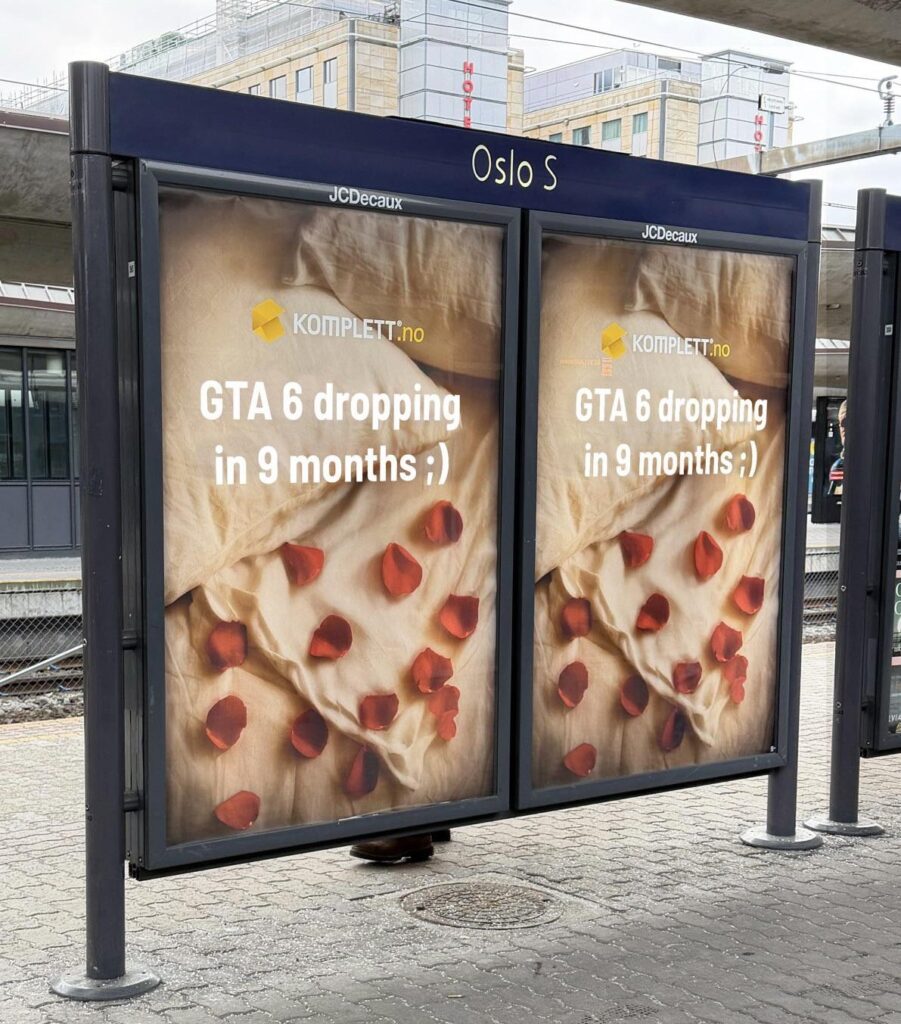
Komplett Offers Free GTA 6 to Parents Who Have a Baby on Release Day in Norway

Norwegian electronics retailer Komplett has unveiled one of the most unusual promotional campaigns in gaming history, linking Grand Theft Auto VI (GTA 6) to an extraordinary local offer.

The promotion gives free copies of GTA 6 to parents whose child is born exactly on the game’s confirmed release date: November 19, 2026. Komplett cleverly tied the campaign to the “nine-month” countdown between the promotion launch and the game’s release, playing on the parallel between pregnancy duration and the wait for GTA 6.

As part of the campaign, Komplett rolled out pregnancy-themed billboards and social media posts, featuring lines such as:

GTA 6 drops in 9 months — same as a baby, so if yours arrives that day, the game is on us.”

Dexerto reported that Komplett confirmed the campaign’s legitimacy on Instagram, stating:

This is actually not a joke.”

This promotion has quickly gone viral across social media platforms like Reddit, Instagram, and X, sparking memes and humorous discussions about timing births or planning parental leave around the game’s release.

While the campaign is a retailer-driven initiative and not affiliated with Rockstar Games or Take-Two Interactive, it coincides perfectly with the official GTA 6 release date, confirmed by Take-Two Interactive, ensuring the promotion aligns with the global launch.

This inventive marketing stunt demonstrates how retailers are pushing creative boundaries to generate hype for major releases, capturing attention in local markets while engaging audiences in unexpected ways.

Llona’s Debut Album Homeless Surpasses 150 Million Spotify Streams

Nigerian singer-songwriter Llona has officially hit a major career milestone as his debut album Homeless surpasses 150 million streams on Spotify, his first project to reach this landmark. The achievement highlights the rising star’s growing influence in Nigeria’s music scene and the global appeal of his sound.

Born Michael Ajuma Attah, Llona blends Afro-fusion, street-pop, and introspective songwriting to create music that resonates with listeners across Nigeria and beyond. Raised between Kogi and Kano States, he draws inspiration from his roots, crafting songs that are both personal and universally relatable. Known for his emotive vocals and authentic storytelling, Llona has quickly built a loyal fanbase.

Released on 25 July 2024, Homeless is a 12-track debut album that blends heartfelt lyricism with infectious Afro-pop melodies. The project features collaborations with Bella Shmurda, Fave, and Wizard Chan, adding depth and variety. With themes of resilience, self-discovery, and hope, the album connects deeply with fans and has sustained high streaming numbers since release.

Tracklist for Homeless by Llona:

  1. Still Scared
  2. Commander (with Wizard Chan)
  3. Can’t Breathe
  4. Another Day
  5. HBP Remix (with Bella Shmurda)
  6. Stranger
  7. Gangsta Love Letter
  8. Cold War (with FAVE)
  9. Comforter
  10. Billion Paper
  11. Rollercoaster
  12. Forgive Me  

Surpassing 150 million streams on Spotify underscores Llona’s growing global presence and the power of authentic storytelling in music today. For a debut project, it marks a significant commercial and cultural achievement, cementing Llona as a rising force in contemporary Nigerian music.

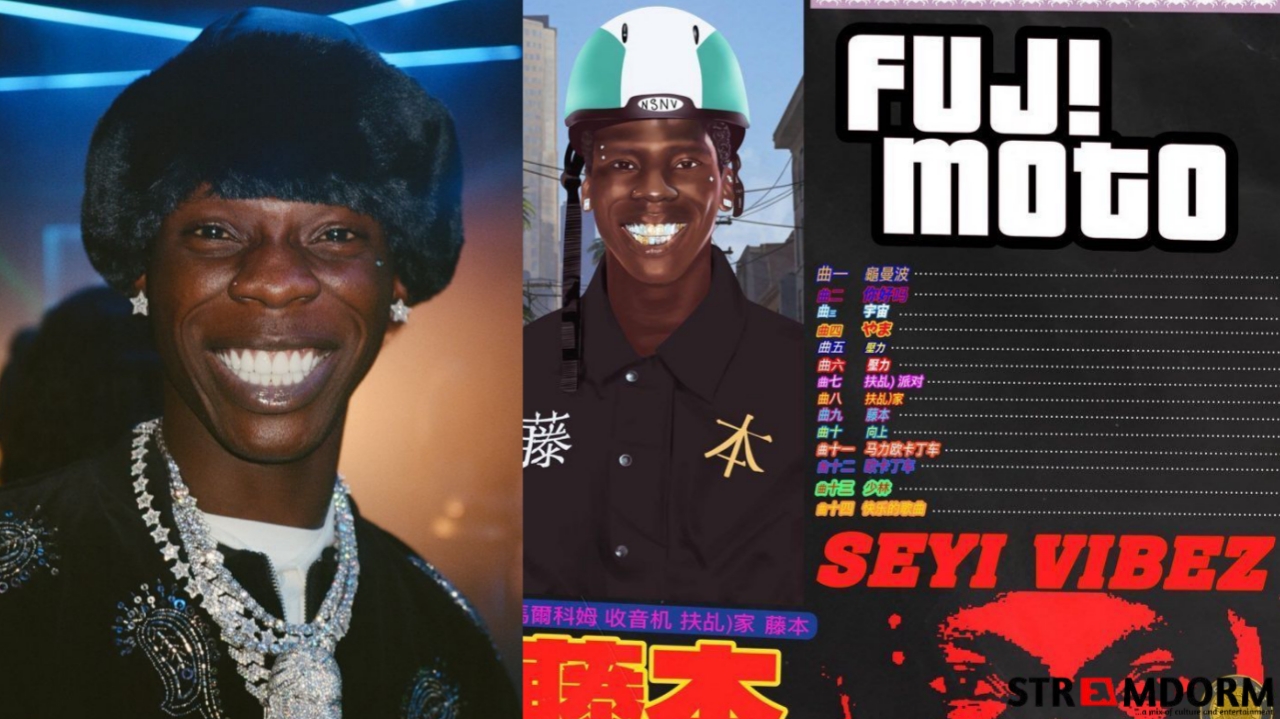
Seyi Vibez’s FUJI MOTO Surpasses 200 Million Spotify Streams, Becomes His First Project to Hit Milestone

Nigerian street-pop sensation Seyi Vibez has officially crossed a huge streaming milestone, as his project FUJI MOTO surpasses 200 million streams on Spotify. This marks his first project to hit this landmark, solidifying his status as one of Nigeria’s fastest-growing music stars.

Released to critical and fan acclaim, FUJI MOTO has resonated deeply with listeners, blending fuji-inspired rhythms, street-rooted storytelling, and contemporary Afrobeats vibes. Tracks from the project continue to dominate playlists and capture global attention, driving sustained streaming growth long after the album’s release.

Seyi Vibez, born Balogun Afolabi Oluwaloseyi, hails from Lagos and has quickly become a leading voice in Nigeria’s street-pop scene. Known for his raw energy, relatable lyrics, and unique fusion of street sounds with mainstream Afrobeats, he has steadily built a loyal fanbase across Nigeria and beyond.

Surpassing 200 million Spotify streams is more than just a number; it reflects Seyi Vibez’s growing global reach, the power of street-pop in contemporary music, and the impact of authentic storytelling on streaming audiences. FUJI MOTO now stands as a defining project in his career, proving his music resonates deeply with fans worldwide.

This new milestone highlights Seyi Vibez’s expanding global reach, especially as Afrobeats continues to attract international listeners at record levels. The achievement also reflects the growing power of Nigerian street-pop artists on global streaming platforms, where audience demand increasingly shapes success.

Scroll to Top