President Diomaye Faye Confers National Honours on Senegal Football Team After AFCON 2025 Triumph

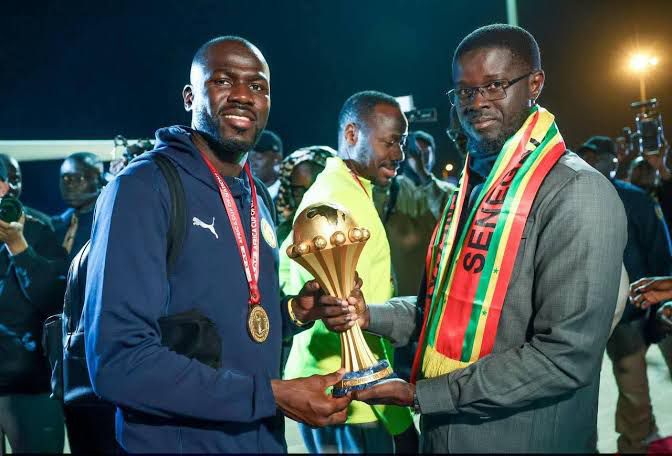
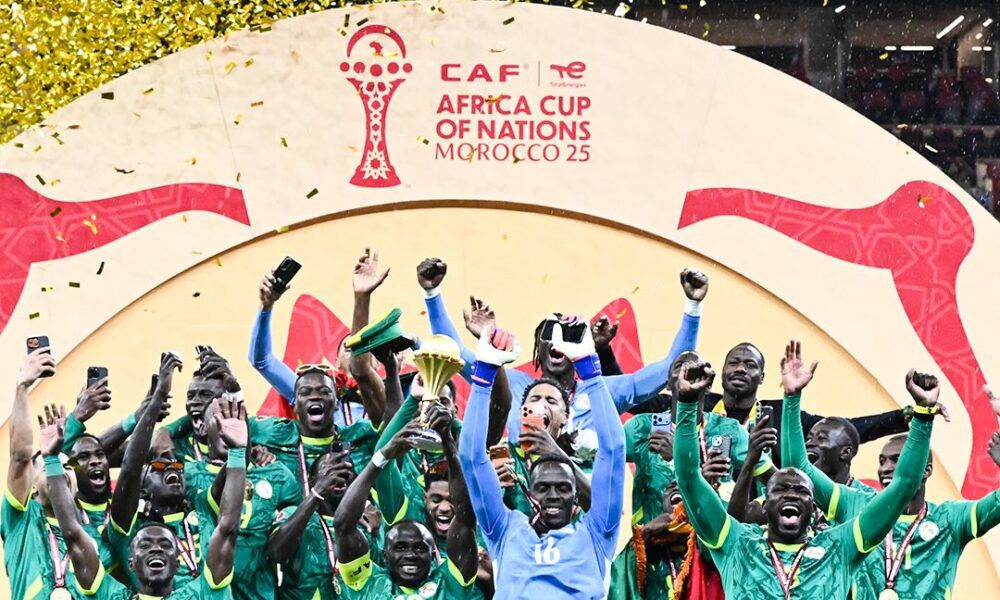
President Bassirou Diomaye Diakhar Faye has formally honoured the Senegalese national football team with national awards following their victory at the 2025 Africa Cup of Nations (AFCON) in Morocco.

The ceremony took place at the Presidential Palace in Dakar, days after the Lions of Teranga returned home as continental champions. Senegal defeated host nation Morocco in the final to secure their second AFCON title, reinforcing their status as one of Africa’s leading football nations.

During the official reception, President Faye decorated the players, coaching crew, and technical officials with Senegal’s national honours.

Head coach Pape Bouna Thiaw and members of the squad were elevated to the rank of Commander of the National Order of the Lion, one of the country’s highest civilian distinctions. The awards were presented in recognition of their sporting excellence and their contribution to national pride.

In addition to the national honours, the Senegalese government announced a comprehensive rewards package for the team and delegation.

Each player is to receive: 75 million CFA francs, and a 1,500 square-metre plot of land located along the Petite Côte.

Officials and members of the wider delegation will also benefit from financial rewards and land allocations. According to government sources, the total value of the rewards package is estimated at over 3 billion CFA francs.

The team earlier received a hero’s welcome upon their arrival in Dakar, with supporters lining major routes in the capital to celebrate the champions. The celebrations culminated in the formal state reception where the honours were officially conferred.

Senegal’s AFCON 2025 success adds to the country’s growing football legacy and sets the tone for upcoming international competitions, including World Cup qualifiers and future continental tournaments.

Super Eagles Earn $2.5 Million After AFCON 2025 Bronze Finish in Morocco

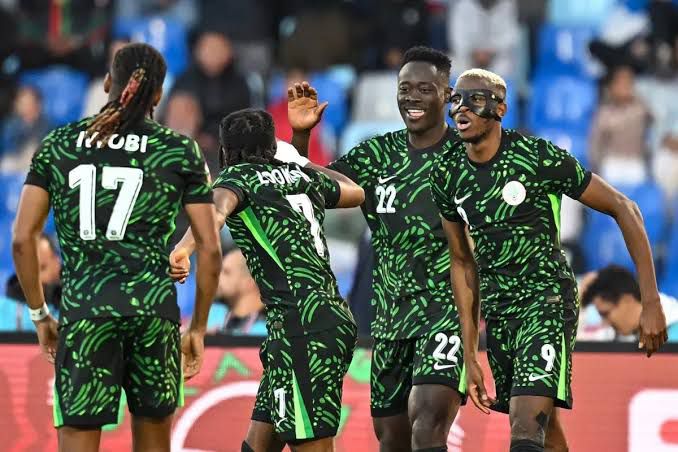
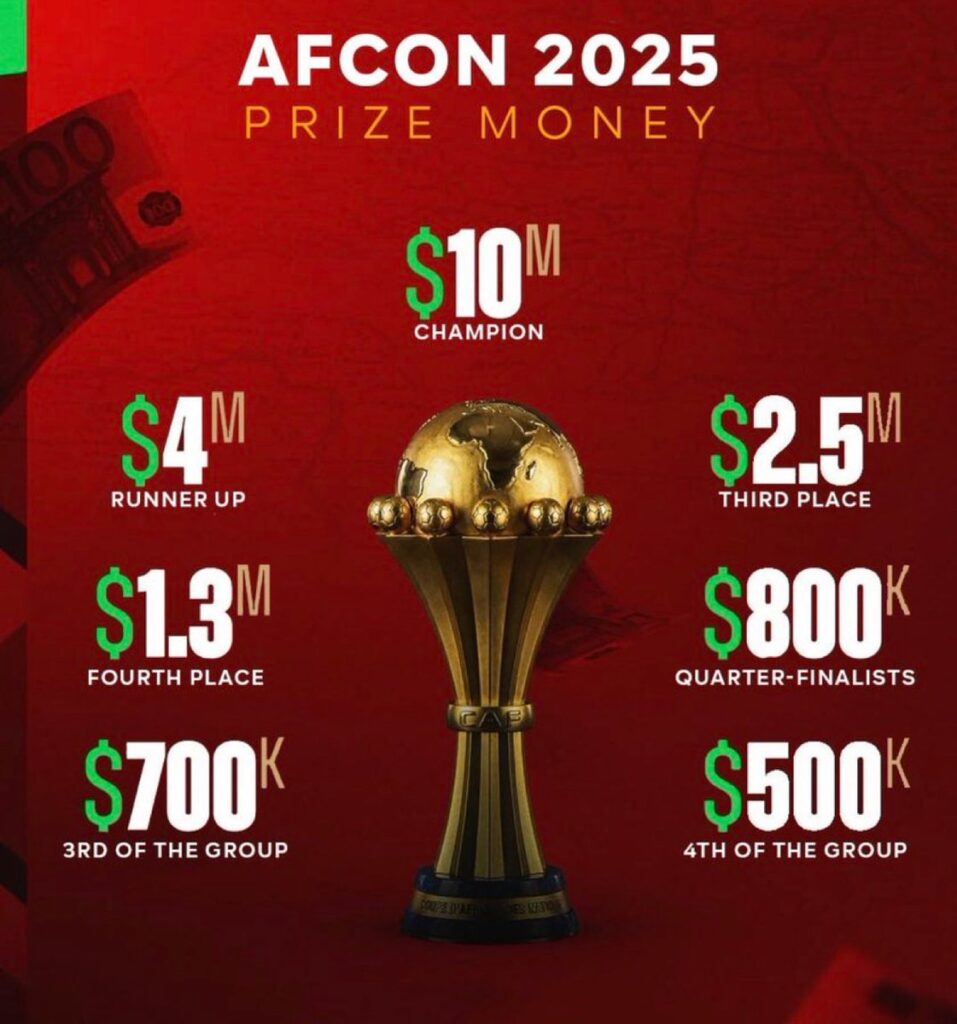
Nigeria’s Super Eagles will receive $2.5 million in prize money after finishing third at the 2025 Africa Cup of Nations (AFCON) in Morocco.

The bronze medal reward follows the official prize structure released for the tournament, which allocates $2.5 million to third-place finishers. Nigeria secured the position after edging out their opponents in the third-place playoff, ending the tournament on a positive note.

AFCON 2025 came with a significantly improved financial package, reflecting CAF’s continued push to increase the tournament’s global appeal and competitiveness. Under the prize breakdown, the champions take home $10 million, runners-up earn $4 million, while fourth place receives $1.3 million. Teams that reached the quarterfinals also pocket $800,000, with additional rewards for group-stage placements.

For the Super Eagles, the bronze finish represents both a sporting and financial boost. After a challenging campaign filled with high-intensity matches and dramatic moments, Nigeria’s podium finish reaffirms their status as one of Africa’s most consistent football powerhouses.

Beyond the prize money, the team’s performance in Morocco has been widely praised by fans, with several players delivering standout displays throughout the competition. The result also provides momentum as Nigeria looks ahead to future international fixtures and qualification campaigns.

Senegal Crowned AFCON 2025 Champions After Dramatic Final Against Morocco

Senegal emerged as champions of the 2025 Africa Cup of Nations (AFCON) after edging host nation Morocco in a tense and dramatic final that went into extra time at the Stade Prince Moulay Abdellah, Rabat.

The final, played on January 18, 2026, ended 1–0 in favour of Senegal, sealing their second AFCON title after a night filled with controversy, resilience, and decisive moments .

The match remained goalless after 90 minutes, with both teams cancelling each other out in a tactical contest defined by defensive organisation and limited clear-cut chances. Morocco enjoyed spells of possession, while Senegal stayed compact and patient, waiting for opportunities on the break .

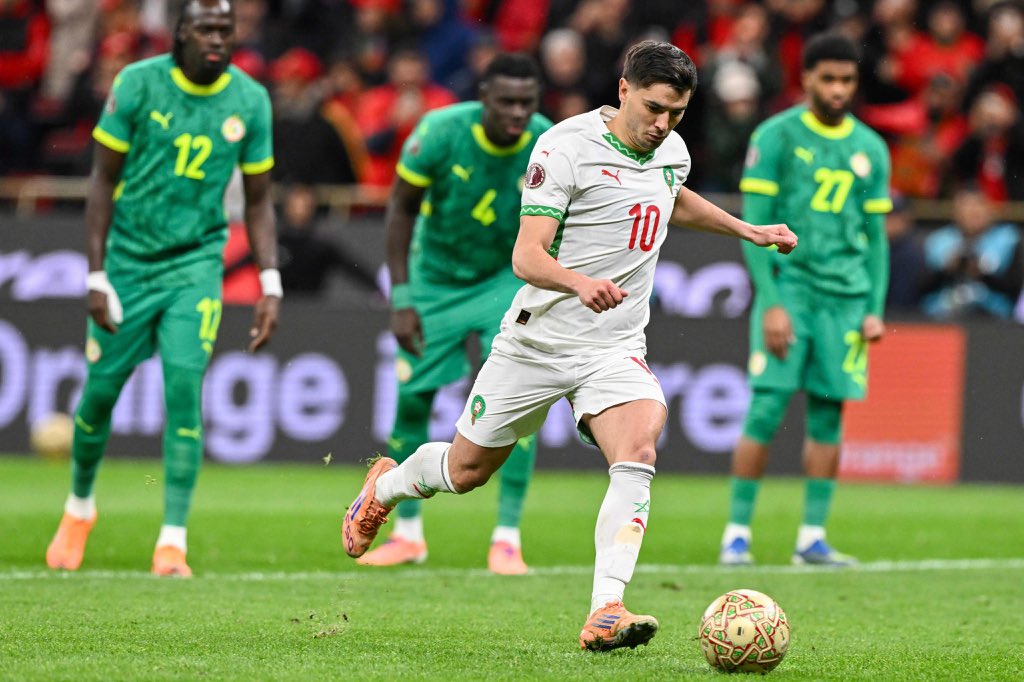
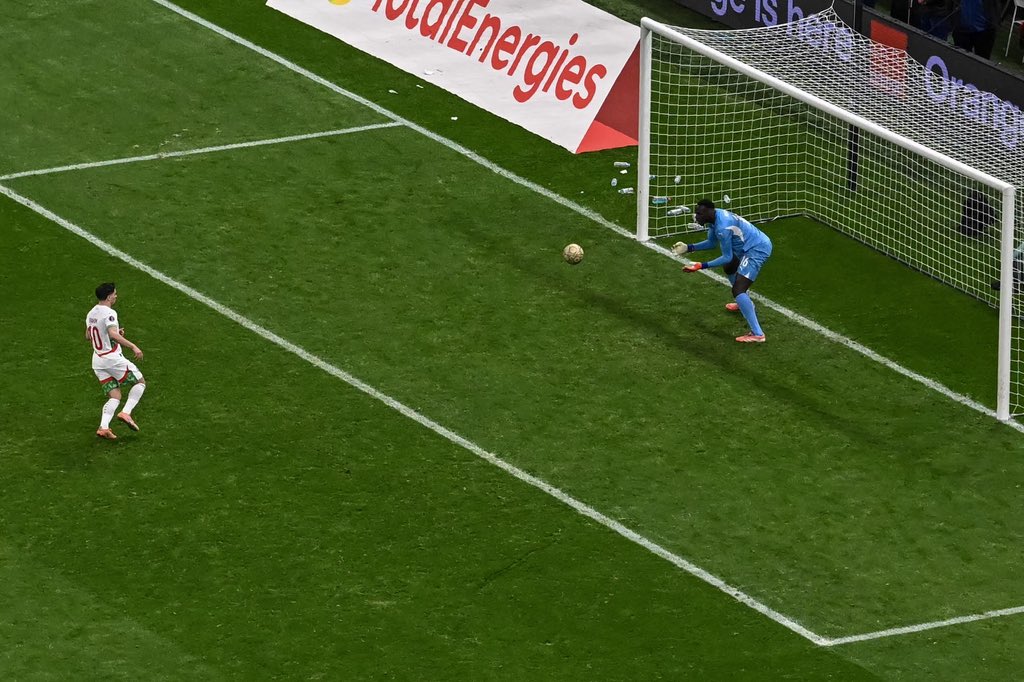
Drama erupted deep into stoppage time when Morocco were awarded a controversial penalty. The decision sparked strong protests from the Senegal camp and briefly halted play. When the penalty was eventually taken, Brahim Díaz’s effort was saved by Senegal goalkeeper Édouard Mendy, keeping the final level and forcing extra time .

The breakthrough arrived in extra time as Pape Gueye found the net with a well-placed finish, giving Senegal the lead in what proved to be the decisive moment of the final. Senegal then held firm under late Moroccan pressure to see out the victory and secure the trophy .

The win marks Senegal’s second Africa Cup of Nations triumph, following their maiden title in 2021. It also caps an impressive tournament run in which the Lions of Teranga combined defensive solidity with timely attacking contributions across the knockout stages .

For Morocco, the defeat ends a strong home campaign in heartbreak. Backed by passionate home support, the Atlas Lions came close to lifting their first AFCON title since 1976 but were ultimately overpowered by fine margins in a tightly contested final.

AFCON 2025 will be remembered for its competitiveness, drama, and high-quality knockout football, with the final standing out as one of the tournament’s most intense matches. A rollercoaster season. 

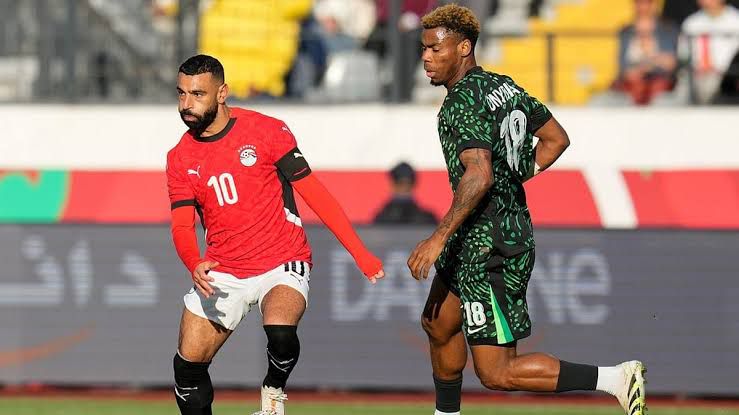
Super Eagles Beat Egypt on Penalties to Claim AFCON 2025 Bronze

In a thrilling conclusion to the Africa Cup of Nations (AFCON) 2025, Nigeria’s Super Eagles secured the third-place finish with a dramatic penalty shootout victory over Egypt’s Pharaohs at the Stade Mohammed V in Casablanca.

The bronze medal match; a showdown between two of Africa’s most decorated footballing nations  remained scoreless through regulation time, forcing the tie into a high-pressure penalty shootout. The Super Eagles prevailed 4–2 on penalties after a 0-0 stalemate in 120 minutes of football. 

Neither side could find the breakthrough over the course of the match. Both Nigeria and Egypt created few clear-cut chances, as defences dominated and goalkeepers were rarely seriously tested in open play. After full time, the deadlock stood, sending the match into penalties where fine margins would decide the bronze medal. 

In the shootout, Nigeria showed remarkable composure under pressure to edge past Egypt 4–2 on penalties with thanks to Nwabali. The Super Eagles’ spot-kick takers were clinical when it mattered most, converting their chances while Egypt were less consistent from the spot. 

This win extends Nigeria’s impressive record in AFCON third-place playoffs. Before this match, the Super Eagles had won all seven previous bronze-medal games they contested, and this latest result brings their total to nine AFCON third-place finishes, the most by any nation in the competition’s history. 

The AFCON stage has long been the backdrop for memorable clashes between Nigeria and Egypt, and this latest encounter added another chapter to their rivalry. Across all AFCON meetings, Nigeria hold a historical edge in head-to-head contests, and this win reinforces their dominance in third-place fixtures. 

AFCON 2025 Sets New Scoring Record to Become Highest-Scoring Tournament in History

The 2025 Africa Cup of Nations in Morocco has rewritten the history books, not just with its high drama and standout performances, but with an unprecedented scoring explosion that makes it the highest-scoring edition of AFCON ever.

With 120 goals scored before the final matches, this tournament has surpassed all previous editions in sheer goal output, overtaking the old record and delivering an unforgettable spectacle for fans across Africa and beyond. 

From the group stages to the knockout rounds, AFCON 2025 has been defined by its attacking intensity. Teams came out with an offensive mindset that yielded a stunning average of roughly 2.45 goals per game across the competition; outpacing even major global tournaments such as Euro 2024. 

This is not just statistics. It is a clear indicator of how African football has evolved in recent years: more technical forwards, bolder tactical approaches, and a greater emphasis on entertainment without sacrificing competitiveness.

Several nations contributed heavily to the scoring surge, with heavyweights like Morocco, Senegal, Nigeria, and Côte d’Ivoire leading the offensive charge throughout the tournament. 

At the same time, individual players stood out:

  • Brahim Díaz (Morocco) emerged as the tournament’s top scorer, netting five goals and becoming one of the standout stars of the competition. 
  • Close behind are Mohamed Salah (Egypt) and Victor Osimhen (Nigeria), each finding the back of the net four times and still in contention for further honours with the last stages remaining. 

Historically, AFCON tournaments were often characterised by cautious play and tight defences. But 2025 has flipped that narrative. This edition has become a statement: the continent now boasts an attacking football culture that rivals the best in the world. 

With the final still to be played, the goal total could rise even further, potentially setting an even higher benchmark for future competitions.

As the tournament heads into its climax with the final in Rabat, all eyes are on Senegal and Morocco, the two teams contesting the AFCON final; a match that could add more goals to this record-breaking total. 

Morocco Defeat Nigeria on Penalties to Set Up AFCON 2025 Final With Senegal

In a dramatic and tightly contested semi-final at the 2025 Africa Cup of Nations in Rabat, host nation Morocco edged Nigeria in a penalty shootout after a goalless draw through regulation and extra time, booking their place in the final against Senegal.

The clash at the Stade Prince Moulay Abdellah lived up to its billing as one of the tournament’s biggest fixtures, with both sides showing tactical awareness and defensive resilience in front of a packed home crowd. 

Neither team managed to break the deadlock over 120 minutes of intense football. Morocco, driven by a vocal home support and the creative influence of Brahim Díaz, pressed for openings, but the Super Eagles’ defence stood firm for long periods. Nigeria, unbeaten in the competition leading into this match, struggled to carve out meaningful goal-scoring opportunities against a well-organised Moroccan rearguard. 

The match was marked by robust challenges, cautious tactical play, and moments of individual skill, but the scoreboard remained untouched through both 90 minutes and extra time. 

With the scoreline still 0–0 after extra time, the semi-final was decided by penalties. In a tense shootout, Morocco held their nerve to prevail and eliminate Nigeria from the competition. The decisive moments came as both teams traded successful spot-kicks and critical saves, ultimately tipping the balance in favour of the Atlas Lions.

Morocco’s victory ended Nigeria’s bid for an AFCON title this year and propelled the hosts into the final, where they will meet Senegal, who advanced by beating Egypt in the other semi-final. Morocco are now one win away from lifting their first Africa Cup of Nations trophy since 1976, a feat that would cement a historic achievement on home soil. 

For Nigeria, the narrow defeat brings an end to a strong tournament run, one that saw them go undefeated through the group stage and score freely in earlier rounds but falls just short of another final appearance. 

Senegal Beat Egypt to Reach AFCON 2025 Final in Tense Semi-Final Showdown

In a fiercely contested Africa Cup of Nations (AFCON) 2025 semi-final in Tangier, Senegal defeated Egypt to secure their place in the tournament final. The clash between two African football powerhouses delivered drama, tactical discipline, and a moment of individual brilliance that decided the match.

Senegal progressed to the AFCON final with a narrow victory over Egypt, winning 1–0 in a game largely defined by strong defensive organisation and moments of attacking incisiveness. The decisive score came from Senegalese skipper Sadio Mané, who struck late in the second half to separate the sides and send the Lions of Teranga through to the title match. 

While Egypt fought hard throughout the match, they were unable to break down Senegal’s defence or find the crucial goal that would have kept their continental dreams alive. Despite creating opportunities, the Pharaohs struggled to convert them into clear scoring chances, ultimately falling short against a resolute Senegal side. 

The headline narrative of the match was the renewal of the rivalry between Sadio Mané and Mohamed Salah two of Africa’s most iconic footballers who previously faced off in major AFCON knockout ties, including the dramatic 2021 final. 

Mané’s decisive intervention not only put Senegal ahead but also highlighted his continued importance in big games for his nation. For Egypt, Mohamed Salah remained a focal point of attack, but even his influence wasn’t enough to overturn Senegal’s narrow advantage.

Senegal’s approach showcased tactical discipline and defensive solidity, frustrating Egypt’s attempts to gain control in midfield. The team managed to absorb pressure at key moments while remaining dangerous on transition; a blend that proved effective in a match where chances were limited. 

AFCON 2026 Quarter-Finals: Nigeria and Egypt Seal Semi Final Spots

The 2026 Africa Cup of Nations quarter-final stage came to a dramatic conclusion on Saturday as Nigeria and Egypt booked their places in the semifinals, completing a final four that blends pedigree, pressure, and title ambition.

Following earlier victories by Senegal and Morocco, Saturday’s fixtures delivered intensity and decisive moments, confirming the tournament’s most competitive phase yet.

Nigeria Outclass Algeria to Reach the Semi-Finals

Nigeria confirmed their status as one of the tournament’s strongest sides with a composed 2–0 win over Algeria, producing a disciplined and controlled performance in Marrakech.

After a measured first half, the Super Eagles raised the tempo following the break. Victor Osimhen broke the deadlock shortly after halftime, powering home a header to give Nigeria a deserved lead. The striker later turned provider, setting up Akor Adams to double the advantage and seal the result.

Algeria struggled to break Nigeria’s structure as the Super Eagles managed the game expertly, limiting clear chances and seeing out the contest with confidence. The victory sets up a high-profile semi-final clash against host nation Morocco.

Egypt Edge Ivory Coast in Five-Goal Thriller

In a tightly contested encounter, Egypt defeated Ivory Coast 3–2 to secure the final semi-final spot and keep their AFCON title hopes alive.

The Pharaohs made a blistering start, opening the scoring through Omar Marmoush (4’). Rami Rabia (32’) extended Egypt’s lead before Ivory Coast found a route back into the game when Ahmed Fotouh inadvertently turned the ball into his own net in the 40th minute.

Early in the second half, Mohamed Salah (52’) restored Egypt’s two-goal cushion with a clinical finish, underlining his influence on the big stage. Ivory Coast responded through Guéla Doué (73’), setting up a tense finale, but Egypt held firm to claim a famous victory.

The result sends Egypt into a heavyweight semi-final showdown against Senegal.

AFCON 2026 Quarter-Final Results

  • Senegal 1–0 Mali
  • Morocco 2–0 Cameroon
  • Nigeria 2–0 Algeria
  • Egypt 3–2 Ivory Coast

Confirmed AFCON 2026 Semi-Final Fixtures

  • Morocco vs Nigeria
  • Senegal vs Egypt

FIFA and TikTok Sign Record Deal to Bring World Cup 2026 Content to the App

For the first time in history, FIFA has partnered with TikTok to bring official World Cup 2026 content directly to fans on a social media platform. The landmark deal, which names TikTok as FIFA’s first-ever Preferred Platform for video content, promises a mix of live match clips, highlights, behind the scenes access, and interactive fan features.

This move signals a major shift in how football fans engage with the world’s biggest sporting event, blending traditional broadcasting with digital-first experiences tailored for mobile and social audiences.

What the FIFA-TikTok Deal Means

The agreement between FIFA and TikTok is designed to expand the reach of the World Cup to millions of digital-native fans around the world. Here’s what the deal offers:

  • Live Match Clips: TikTok will stream segments of official matches via a dedicated World Cup hub inside the app. Fans can catch real-time action without waiting for TV highlights.
  • Curated Highlights: Quick, shareable clips of goals, saves, and major moments will be easily accessible.
  • Behind-the-Scenes Access: Selected TikTok creators will provide coverage of press conferences, training sessions, and exclusive off-field content.
  • Interactive Features: Stickers, filters, and fan challenges will make following the tournament more engaging than ever.

Note: TikTok will not broadcast full 90-minute matches. Traditional TV and official streaming partners retain full-match rights.

The TikTok World Cup Hub: Your New Digital Stadium

Central to this deal is the FIFA World Cup 2026 hub on TikTok, which serves as a one-stop destination for fans:

  • Live match segments and highlights
  • Match schedules and updates
  • Official FIFA creator content
  • Fan engagement tools and interactive features

This hub transforms TikTok into a digital stadium, giving fans a unique way to stay connected with the World Cup in real time.

Fans will now be able to experience World Cup 2026 content in ways never possible before. With live clips, highlights, exclusive behind-the-scenes moments, and interactive features all available on TikTok, FIFA is bridging the gap between traditional broadcasting and the digital-first generation.

While TikTok does not replace full-match coverage, this record deal marks a historic shift in football media  and could redefine how fans engage with the World Cup forever.

AFCON Quarter‑Finals 2026: Senegal and Morocco Are Into The Semifinals 

The 2026 Africa Cup of Nations quarter‑finals kicked off in Morocco with two captivating clashes that set the tone for a thrilling final eight of Africa’s most prestigious football tournament. Hostilities began with Senegal vs Mali in Tangier before the spotlight shifted to Cameroon vs Morocco in Rabat.

Senegal vs Mali

The first quarter‑final saw Senegal secure a 1‑0 win over Mali in Tangier, booking their place in the semi‑finals with a performance defined by tactical discipline and clinical finishing. 

It was Iliman Ndiaye who provided the game’s decisive moment, capitalising on a defensive lapse and firing Senegal ahead in the first half. Despite intense second‑half pressure from Mali, the Lions of Teranga showcased composed defending and match management to see out the victory. 

Mali’s efforts were further hampered when captain Yves Bissouma received a second yellow card (Red Card) shortly before halftime, forcing his side to battle with ten men for the entire second half. 

Senegal’s win not only extends their impressive knockout run but also highlights their status as one of the tournament favourites, combining defensive power with moment‑making talent. Their reward is a semi‑final clash with the winner of Egypt vs Ivory Coast. 

Morocco vs Cameroon

In Rabat, the host nation Morocco displayed a blend of stylistic control and attacking intent to defeat Cameroon 2‑0 and take a commanding position in the race for the AFCON crown. 

The opening goal arrived in the 26th minute through Brahim Diaz, whose composed finish gave the Atlas Lions an early edge. Morocco maintained pressure throughout the first half and extended their lead deep into the second with a well‑timed strike from Ismael Saibari

Cameroon, known for their physicality and intensity, struggled to consistently break the Moroccan defensive lines. Morocco’s substitutions, bringing on experience and fresh legs helped manage the game while keeping possession control and limiting clear chances for the opposition. 

The result sends Morocco, also one of the tournament favourites  into the semi‑finals, fuelling hopes of lifting the trophy on home soil for the first time since 1976. 

Meanwhile, Nigeria vs Algeria and Egypt vs Ivory Coast are set to decide the remaining semi‑finalists on Saturday, January 10, with each team bringing distinct strengths and narrative intrigue ahead of crucial knockout football. 

Scroll to Top