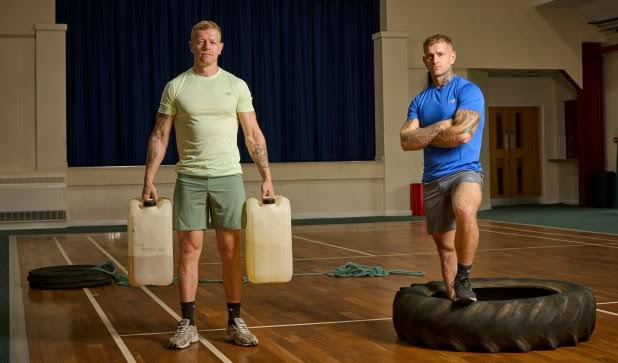
Two former boxers from Warwickshire, Harry and Joe Freeman, have launched a grassroots campaign aimed at tackling childhood obesity and improving children’s mental health across the United Kingdom.
The initiative, called Boxwave, offers free fitness and mentorship programmes in parks, playgrounds, and community spaces, targeting young people struggling with weight, low self-esteem, and social isolation.
According to the brothers, the project was created to provide an accessible and supportive alternative to gym memberships or paid classes. “We wanted to make sure every child, no matter their background, has the chance to feel stronger, healthier and more confident,” Harry Freeman said.
Boxwave’s sessions combine fitness activities such as hill sprints, tyre-pulling, football drills and boxing pad work with motivational mentorship. The approach has already attracted a strong following online, with the brothers building an audience of more than 700,000 on TikTok and Instagram, where they share training videos and success stories.
Since its launch last year, the initiative has reported several success stories. Among them is 10-year-old Jacob, who lost more than three stone through the programme and has since appeared on ITV’s This Morning to speak about his journey. Other children involved have shifted from sedentary lifestyles to active participation in sports and regained confidence after years of bullying.
This autumn, the Freemans plan to expand Boxwave into more than 50 schools through a new campaign titled “The Strongest Generation.” The expansion will be supported by sponsorships and retail partnerships, enabling the programme to host monthly community events across the country.
Although the NHS and local councils have shown interest in collaborating, the brothers say they are determined to keep the service free. “For us, this is about helping children, not creating barriers with costs. That’s why everything we do remains open to anyone who wants to join,” Joe Freeman explained.
The launch of Boxwave comes at a time when childhood obesity in Britain has reached record levels. Recent studies warn that obesity rates, which spiked during the pandemic, could cost the UK billions of pounds in healthcare and economic impact in the coming years.
Health experts say grassroots efforts like Boxwave complement national strategies, such as the government’s £85 million Public Health Innovation Programme and NHS smart-scale clinics for young people.
With its community-first approach and early success stories, Boxwave is positioning itself as one of the most promising grassroots movements in the fight against childhood obesity in the UK.
Living a long, healthy life is a universal desire, but in Nigeria, the pressures of modern living, stress, processed foods, and urbanization often make it challenging. Interestingly, many of our elders in rural communities have naturally practiced habits similar to those found in the world’s “Blue Zones”—regions known for extraordinary longevity.
If you’ve ever traveled through villages—especially when entering Edo State, you’ve probably noticed obituary posters of elders who lived into their 90s or even past 100. It always makes me wonder: what did they do differently, and why do they seem to enjoy longer lifespans compared to urban dwellers? This reflection connects closely with the idea of Blue Zones; regions of the world where people consistently live longer, healthier lives due to their lifestyle and habits.
So, how can we adopt a Longevity Lifestyle that fits into our culture and everyday reality? Here are seven powerful habits to help you live longer and healthier.
Eat More Natural, Plant-Based Nigerian Foods
Traditional Nigerian diets are rich in beans, yam, plantain, vegetables, millet, and sorghum. These unprocessed foods provide fiber, vitamins, and minerals that promote long-term health.
Swap fast food for local options like beans porridge, moi-moi, okra soup, or millet pap. Treat meat as a side dish, not the main meal.
Stay Active Through Everyday Movement
You don’t need a gym to stay fit. Farming, walking, pounding yam, and market hustle kept past generations strong. Today, urban living makes many people sedentary.
Walk instead of taking keke/okada for short trips, climb stairs instead of using lifts, or do home-friendly exercises like skipping and squats.
Read more
Why More Young Nigerians Are Facing High Blood Pressure
Our elders often stayed active because they had responsibilities—farming, caring for grandchildren, or leading in the community. Purpose adds meaning and energy to life.
Even in retirement, stay engaged, mentor youths, volunteer in church/mosque, or start a small side project or farm.
Reduce Stress
From traffic jams to financial stress, life here can be overwhelming. But Nigerian traditions already provide stress relief—storytelling, prayer, communal gatherings, music, and dance.
Dedicate 10–15 minutes daily for prayer, meditation, or reflection. Socialize with friends and family to laugh and release tension.
Strengthen Family and Social Connections
Loneliness shortens life, but Nigeria’s communal culture helps. In villages, people share meals and support one another—reducing stress and depression. Call loved ones weekly, attend family gatherings, or host a simple get-together. A strong support system is key to living longer.
Many Nigerians overindulge at parties or with alcohol. In Blue Zone regions, moderation is a secret to long life.
Follow the “80% rule”—stop eating before you feel completely full. Limit alcohol, and try local, healthier drinks like zobo, kunu, or small portions of palm wine.
Hold on to Faith and Spirituality
Spirituality brings hope, reduces stress, and builds resilience. In Nigeria, faith, whether Christian, Muslim, or traditional is central to wellbeing.
Stay connected to your faith community, but also use spirituality for gratitude, peace of mind, and a positive outlook.
Building a Nigerian Longevity Lifestyle
Living longer in isn’t about expensive diets or luxury gyms. It’s about returning to the healthy, simple habits that our grandparents lived by. By eating clean, moving daily, managing stress, and nurturing relationships, we can create a Longevity Lifestyle that fits our culture and ensures a healthier future.
Longevity in Nigeria starts with small, intentional choices today.
Sports betting has exploded into one of Nigeria’s most dominant forms of entertainment. From Bet9ja to SportyBet, BetKing, and 1xBet, millions of Nigerians log in daily to place wagers, mostly on football matches. On the surface, betting is marketed as fun, thrilling, and rewarding. Yet beneath the flashy adverts and quick payouts lies a growing crisis: sports betting is silently eroding mental health, financial stability, and social wellbeing across the country.
A Nation of Bettors
The numbers reveal the scale of the boom. Studies estimate that over 60 million Nigerians between 18 and 40 years old actively participate in betting. On average, they spend ₦3,000 daily, amounting to nearly ₦730 billion annually. In fact, Nigeria is now considered one of Africa’s largest betting markets, with betting shops and mobile apps dominating both urban and rural landscapes. What makes this rise even more striking is the context: a nation where over 40% of the population lives in poverty is also home to one of the highest rates of gambling participation in the world.
The Impact on Mental Health
The thrill of betting is tied to brain chemistry. Each wager triggers dopamine; the same chemical linked to pleasure and reward. But this excitement can quickly spiral into addiction. Many bettors report mood swings, sleepless nights, and constant anxiety. Losing streaks bring feelings of guilt and despair, while the urge to “chase losses” only deepens the cycle. A growing number of Nigerian psychologists now warn that sports betting has become a major driver of depression, anxiety, and even suicidal thoughts. In one heartbreaking case, a university student in Ilaro took his own life after losing his school fees to betting. In another, a man in Lagos ended his life after losing ₦2.5 million on virtual games. These stories, though shocking, are far from isolated.
Financial Ruin Disguised as Fun
The financial toll of sports betting is devastating. For many Nigerians, especially young men, betting is seen as a potential escape from unemployment and hardship. But instead of financial freedom, it often results in deeper poverty.
Research shows that:
62% of addicted bettors in Lagos borrow money to fund gambling.
28% fail to meet essential payments such as rent or school fees.
Some lose millions of naira within weeks, selling assets or borrowing heavily in the process.
The painful truth is that bookmakers always have the edge. Wins are temporary, but losses accumulate—leaving countless Nigerians trapped in debt cycles.
Social and Emotional Strain
Sports betting does not only harm individuals, it reshapes relationships. Families often suffer when breadwinners divert money meant for food, rent, or education into betting. Friends drift apart as shame and secrecy build. Among students, the impact is equally alarming. Studies show that 14% of Nigerian university students already suffer problem gambling, and nearly half of those who bet regularly display addictive behaviours. Academic performance suffers as money, time, and focus are swallowed by betting apps.
The Role of Betting Apps
Modern betting companies have perfected the art of addiction. Platforms like Bet9ja, SportyBet, NairaBet, 1xBet, and BetKing employ strategies designed to keep players hooked:
24/7 accessibility: With apps on smartphones, betting is available anytime, anywhere.
Flashy promotions: Welcome bonuses, odds boosts, and “free bets” encourage more spending.
Fast-play features: Virtual games and live betting deliver instant results, fueling compulsive behavior.
Psychological hooks: Near misses, bright visuals, and celebratory alerts simulate victory even in loss.
These features transform betting from occasional fun into compulsive daily habits, making it one of the fastest-growing addictions in Nigeria.
Why Betting Feels Unescapable
Experts describe sports betting in Nigeria as a perfect storm:
Economic desperation: With limited job opportunities, betting feels like a shortcut to wealth.
Passion for football: Tying wagers to beloved sports makes it socially acceptable.
Aggressive advertising: From billboards to Instagram feeds, betting brands flood media with success stories, rarely showing the ruin that follows.
One bettor who lost ₦10 million in two weeks described it bluntly: “It’s like a sect. Once you’re in, it’s extremely difficult to leave.”
Protecting Wellbeing
While sports betting is legal and often positioned as harmless entertainment, its impact on wellbeing is undeniable. To address this crisis:
Public awareness campaigns are needed to highlight the risks.
Limits and regulations should be enforced on betting advertisements and promotions.
Financial literacy and job creation must be prioritized to reduce dependence on gambling.
On a personal level, individuals must set strict betting limits, avoid chasing losses, and seek help when betting becomes uncontrollable.
Sports betting in Nigeria is no longer “just a game.” It is a powerful industry feeding off economic hardship, passion for football, and human vulnerability. While some may enjoy it casually, for millions it has become a trap—undermining mental health, draining finances, and tearing at the fabric of relationships. In the end, the question remains: is the thrill of a potential win worth the silent cost to wellbeing?
I await your comments
Subscribe to our newsletter for more articles like this.
For many years, high blood pressure (also called hypertension) was considered a “middle-age problem.” It was something we expected to see in our parents or grandparents, not in our peers or ourselves. But the reality in Nigeria, and across many African nations—is shifting. More young adults in their 20s and 30s are being diagnosed with high blood pressure, and often without warning.
This article explores why this is happening, what it means for the future of our health, and what young Nigerians can start doing about it today.
What Is High Blood Pressure?
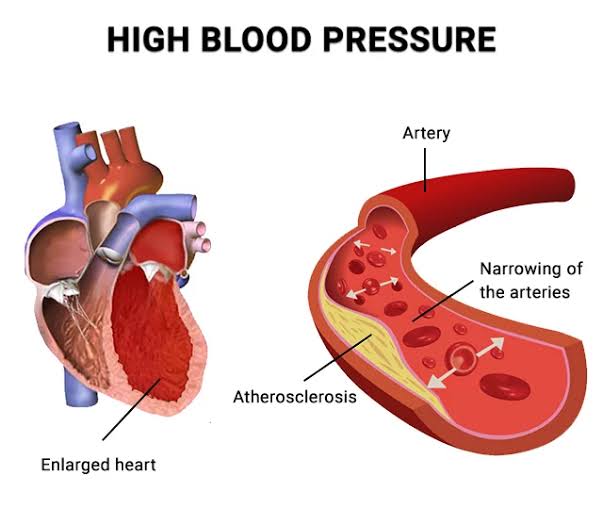
High blood pressure is a medical condition where the force of blood against the artery walls is consistently too high. It’s often called a “silent killer” because it may not show obvious symptoms until it causes major health problems like stroke, heart failure, or kidney damage.
According to recent studies from Nigeria’s health sector, a growing number of adults between ages 25 and 40 are being diagnosed with hypertension. This is alarming, considering that this age group makes up a large portion of the country’s working population.
So, what’s causing this spike?
Main Causes of High Blood Pressure in Young Nigerians
1. Stress and Hustle Culture
Nigeria’s economic climate is not easy—most young people juggle side hustles, long commutes, toxic work environments, and financial pressure. Some young individuals these days even go as far as bragging about their not sleeping just to show their hustle spirit, thinking it’s a good thing to be proud of. Chronic stress raises cortisol levels, which in turn increases blood pressure over time.
2. Poor Diet Choices
Many Nigerians rely heavily on processed or salty foods like: Instant noodles, Packaged snacks, Excessive seasoning cubes, Sugary soft drinks. High salt and sugar intake contributes directly to high blood pressure.
3. Lack of Physical Activity
Between 9–5 jobs, traffic, and digital addiction, many young adults have become sedentary. A lack of daily movement weakens the heart and leads to weight gain—two major risk factors for hypertension.
4. Alcohol and Smoking
The rise in casual drinking, shisha, and cigarette smoking among the youth is another red flag. These habits can stiffen the arteries and raise blood pressure rapidly.
5. Family History
If hypertension runs in your family, you may be genetically predisposed—even if you live a relatively healthy lifestyle.
A Real Story: My Friend’s Wake-Up Call
A close friend of mine recently shared a shocking experience. At just 34 years old, she went to the hospital to run a general health check-up, thinking everything was fine. But when her blood pressure was taken, the nurse looked alarmed—it was extremely high.
The doctor’s advice was clear: “You need to start resting. You’re doing too much and worrying about everything.” She had been juggling work, family responsibilities, side hustles, and anxiety about the future—all without real rest or self-care. That hospital visit was her wake-up call.
Now, she’s learning to slow down, take breaks, prioritize her peace, and monitor her health more regularly.
Her story isn’t rare. It’s a growing reality for many Nigerians—especially women in their 30s.
‘The Fantastic Four: First Steps’ earned $24.4M from it domestic previews domestically
— Streamdorm | Film & TV News (@Streamdorm_) July 25, 2025
Common Symptoms (If Any)
While many people don’t feel anything until it’s too late, some warning signs include:
Frequent headaches
Blurred vision
Chest pain
Shortness of breath
Fatigue or dizziness
But again, many cases have no symptoms at all—so regular blood pressure checks are crucial.
How to Prevent or Manage High Blood Pressure Early
1. Eat Clean, Local, and Balanced
Cut down on salt and seasoning cubes. Eat more fruits, vegetables, and whole grains. Opt for fresh fish, lean meat, and plant-based proteins like beans.
2. Get Active
Walk at least 30 minutes a day. Try home workouts, jump rope, or dance fitness. Take the stairs whenever possible.
3. Sleep and Rest Well
Aim for 7–8 hours of sleep each night. Chronic sleep deprivation can lead to higher blood pressure levels.
4. Reduce Stress
Meditation, journaling, or simply reducing screen time can help manage your mental load.
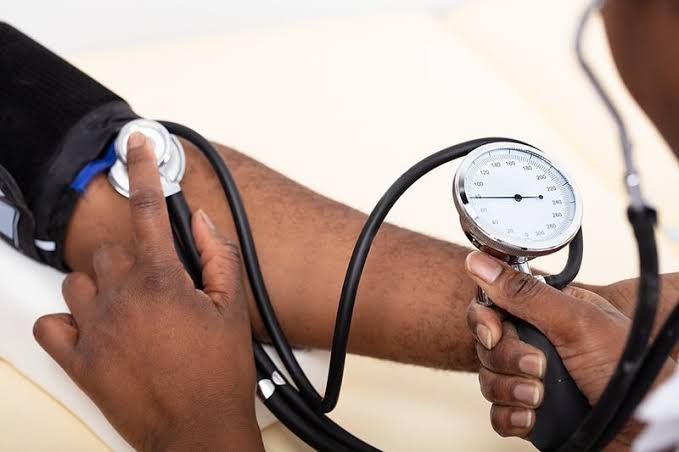
5. Check Your Blood Pressure Regularly
Many pharmacies and hospitals in Nigeria are available around you where you can easily check your BP. Make it a habit—especially if you have a family history.
High blood pressure is no longer a disease for “old people.” It’s here, it’s rising, and it’s affecting young, ambitious, urban Nigerians more than ever before. The earlier you detect and manage it, the better your chances of avoiding serious complications.
Taking care of your heart doesn’t mean stopping your hustle—it means making smart, preventive choices that will keep you going for a long time.
Disclaimer
I am not a licensed medical professional or cardiologist. This article has been written based on extensive research, publicly available health data, and expert reports to help raise awareness among young Nigerians. Always consult with a qualified doctor or healthcare provider for professional advice and diagnosis.
For many Nigerians trying to build muscle, stay fit, or lose fat, the word “protein” often sounds expensive. With gym culture growing stronger in Nigeria—especially in urban areas like Lagos, Abuja, and Port Harcourt—more people are now paying attention to what they eat. But with rising food prices, eating a protein-rich diet might seem out of reach.
The good news? You don’t need to break the bank to eat protein-rich meals in Nigeria. Our local markets are packed with affordable, high-protein foods that can help you build muscle and fuel your workouts—without expensive supplements or imported diets.
This article will walk you through affordable high-protein Nigerian meals for gym enthusiasts who are working with a budget in 2025.
Why Protein Matters for Gym Lovers
If you’re lifting weights, doing cardio, or trying to stay lean, your muscles need protein to:
Repair and rebuild after workouts
Support fat loss while preserving lean muscle
Help recovery and reduce soreness
Maintain strength and energy levels
According to health experts, the average active adult should aim for 1.2–2.0 grams of protein per kilogram of body weight depending on their fitness goals.
Top Budget-Friendly High-Protein Nigerian Meals
1. Beans – Protein: ~15g/serving – Additions: Boiled egg or fried plantain 2. Moi Moi (Steamed Bean Pudding) – Protein: 10–15g/wrap – Tip: Blend in boiled egg, titus fish, or shrimp 3. Boiled Eggs and Sweet Potatoes – Protein: ~6g/egg – Balanced with complex carbs 4. Yam and Egg Sauce – Eggs: 12g protein (2 eggs) – Add sardines or titus fish 5. Efo Riro with Semo or Fufu – Protein: Up to 20g (with meat/fish) – Add dry fish, stockfish, or assorted meat 6. Akara and Pap – Protein: ~8g per 3–4 pieces – Affordable breakfast or post-workout snack 7. Okra Soup with Fish and Swallow – Protein: 12–20g/serving – Combine with smoked fish, crayfish, or periwinkle
Cheap Protein Boosters to Stock Up On
Here are some everyday Nigerian protein sources that gym lovers should always keep on hand: Eggs, Beans, Groundnuts, Titus Fish, Sardines (canned), Dry Fish, Crayfish, Chicken (parts)
Tips for Staying Consistent on a Budget
Cook in bulk to reduce waste and save time
Meal prep on weekends to avoid constant spending
Use cheaper cuts like gizzard, liver, and wings
Drink water instead of soda or energy drinks
Avoid expensive, imported food trends—stick to local meals
Final Word
You don’t need fancy imported protein powders, supplements, or overly expensive diets to get the gains you want. Whether you’re trying to bulk up, tone your body, or just stay fit, there are plenty of protein-rich, affordable Nigerian meals that can get the job done.
All it takes is planning, discipline, and knowing how to mix the right foods.
Disclaimer
I am not a certified nutritionist, personal trainer, or medical professional. This article is based on local knowledge and publicly available research to help inform Nigerians making healthier food choices. Always consult a healthcare provider or certified dietitian for personal advice.
In today’s world where women are becoming more conscious of their health and well-being, vaginal care is still one of the least openly discussed topics, especially in Nigeria. Unfortunately, this silence has left room for myths, misinformation, and harmful cultural beliefs to thrive. Many women still receive more advice from peers and hearsay than from medical professionals when it comes to caring for their intimate health.
As we progress through 2025, it’s important to challenge these myths, encourage open and informed conversations, and prioritize scientifically backed vaginal care practices. This article uncovers some of the most widespread vaginal health myths among Nigerian women, explains why they are wrong, and offers clear, professional guidance on what women should actually do.
MYTH 1: The Vagina Must Be Washed Inside with Soap or Antiseptics
This is arguably the most common misconception. A significant number of women still believe that they must wash the inside of their vagina (not the external vulva) with soap, antiseptic liquids, or herbal concoctions to be “clean” or smell fresh. In some communities, this practice is even passed down as a traditional rite of hygiene or womanhood.
The Truth: The Vagina is Self-Cleaning
The vagina is an incredibly smart and self-regulating organ. It contains a delicate balance of good bacteria (primarily lactobacilli) and maintains an acidic pH that naturally prevents infections. When you introduce soap or antiseptics into the vagina, you risk destroying this natural balance. This can lead to:
Vaginal irritation or dryness
Bacterial vaginosis (BV)
Yeast infections
Unpleasant odors (ironically caused by imbalance)
Professional Advice:
Wash only the external part of your genitals (the vulva) using warm water and, if needed, a mild unscented soap. Never insert soaps, detergents, herbal mixtures, or antiseptics inside your vagina. Doing so causes more harm than good.
MYTH 2: Vaginal Discharge Is Always a Sign of Infection
In many Nigerian households, vaginal discharge is often seen as a red flag. Women panic at the sight of it, especially if they are unmarried, believing it’s unnatural or linked to sexual activity or infection.
The Truth: Discharge Is Normal and Necessary
Healthy vaginal discharge plays an essential role in keeping the vagina clean and lubricated. It helps remove dead cells and bacteria. Discharge can vary in consistency and color throughout your menstrual cycle.
Normal discharge is usually:
Clear or white
Odorless or mildly musky
Slippery, thick, or stretchy depending on hormonal levels
Concerning discharge may be:
Yellow or green
Accompanied by a foul smell
Accompanied by itching, pain, or burning
Professional Advice:
Learn to recognize your own cycle and what’s normal for your body. If your discharge changes suddenly in color, smell, or texture, consult a medical professional, not social media.
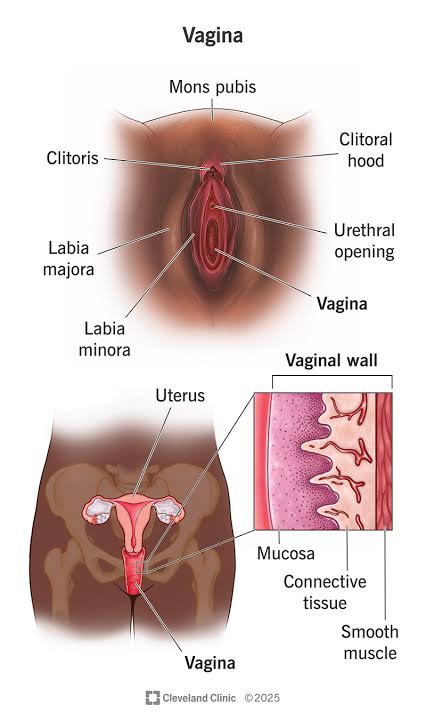
Image by Cleveland Clinic 2025
MYTH 3: You Should Smell Like Perfume or Scented Soap ‘Down There’
With the rise of beauty and hygiene marketing, many women have been made to believe that the vagina should smell like strawberries, flowers, or mint. As a result, the use of scented soaps, powders, and vaginal sprays has grown popular, even among teenagers.
The Truth: Vaginas Have a Natural Scent and It’s Normal
The vagina is not supposed to smell like a fragrance shop. It has its own mild, musky scent that reflects hormonal activity and bacterial balance. Attempting to mask this scent with perfume-based products can trigger irritation, inflammation, and even allergic reactions.
Professional Advice:
Avoid any feminine hygiene products that contain artificial fragrances. These include vaginal sprays, douching products, perfumed sanitary pads, or scented soaps. Your vagina does not need to be perfumed, it needs to be respected.
MYTH 4: Tight Jeans and Underwear Don’t Affect Vaginal Health
Fashion and comfort sometimes clash, and many women love tight jeans, body shapers, or nylon panties, unaware of the health risks associated with these clothing choices.
The Truth: Breathability Matters for Vaginal Health
Tight or synthetic underwear, especially in Nigeria’s hot and humid climate, can trap sweat and moisture. This creates a perfect breeding ground for yeast and bacteria. Over time, this may cause:
Recurrent yeast infections
Skin rashes or irritation
Unpleasant odors due to trapped moisture
Professional Advice:
Opt for 100% cotton underwear that allows airflow. At night, sleep without underwear if possible. When wearing jeans or tight clothes, do so in moderation and ensure they’re not overly restrictive.
MYTH 5: You Only Need a Gynecologist if You’re Pregnant or in Pain
In many Nigerian communities, women only consider visiting a gynecologist during pregnancy or when facing visible discomfort. Preventive care is often overlooked or seen as unnecessary.
The Truth: Regular Check-Ups Are Crucial
Just like you visit the dentist or go for an eye test, regular gynecological visits are part of responsible adult healthcare. These visits help detect:
Cervical cancer (via Pap smears)
STIs, even when asymptomatic
Hormonal imbalances
Reproductive health issues like fibroids or ovarian cysts
Professional Advice:
Every woman should see a gynecologist at least once a year, whether or not they’re sexually active or pregnant. Early detection can save lives, especially when it comes to diseases like cervical cancer.
Changing the Narrative: A Call for Education and Empowerment
Vaginal health is not a taboo. It is part of overall wellness and should be treated with the same respect and attention as any other aspect of your health. As we move forward in 2025, Nigerian women must replace harmful myths with facts. The more women are informed, the more empowered they become to take control of their bodies without shame or fear.
Final Words:
Your vagina doesn’t need to be washed with Dettol.
Discharge doesn’t mean you’re dirty.
A natural scent is normal.
Cotton underwear is not outdated; it’s healthy.
Seeing a gynecologist is not just for mothers.
Disclaimer: I am not a medical professional or gynecologist. This article was put together through careful research from reputable health sources to encourage awareness and promote responsible conversation around vaginal health. For any specific concerns or symptoms, please consult a licensed healthcare provider or gynecologist.
In Nigeria’s booming skincare industry, body creams are among the most sought-after products on the market. From skin toning to deep moisturization, these creams serve different purposes for various skin types. Unfortunately, their popularity has attracted counterfeiters who flood the market with cheap imitations, putting consumers at risk of skin irritations, burns, and long-term damage. Counterfeit creams often look identical to the real ones, making them hard toknow, especially when sold in local markets or online.
This article sheds light on 10 of the most commonly counterfeited body creams in Nigeria, why they are targeted, and how you can identify the original versions to protect your skin and health.
Nivea Natural Fairness / Perfect & Radiant Lotion
Nivea is a global brand renowned for its range of body lotions that offer skin hydration, even tone, and protection from environmental stress. The Natural Fairness and Perfect & Radiant variants are particularly popular in Nigeria for their brightening and non-bleaching benefits.
How to Spot the Original:
Original packaging has smooth printing, no spelling errors, and comes with a batch code and NAFDAC number.
The fragrance is mild and pleasant, not overpowering.
The cream is silky, not runny or watery, and absorbs well without leaving a greasy film.
Look for authenticity labels or QR codes on newer packaging.
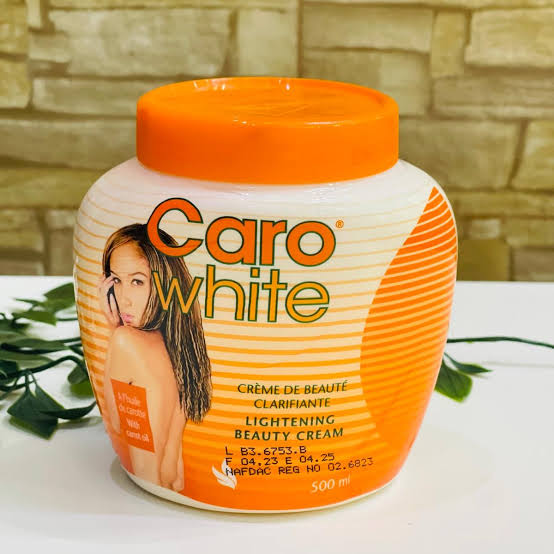
Caro White Lightening Beauty Cream
Caro White is widely used for skin lightening and brightening, containing ingredients like carrot oil and hydroquinone. Its fast-action claims have made it a go-to choice, especially for women aiming for a lighter complexion.
How to Spot the Original:
The genuine cream is light orange, not too white or watery.
Original containers are tightly sealed with smooth edges and clear labels.
Fake versions often have poorly printed labels.
Manufacturer’s details must include “Dream Cosmetics Cote d’Ivoire.
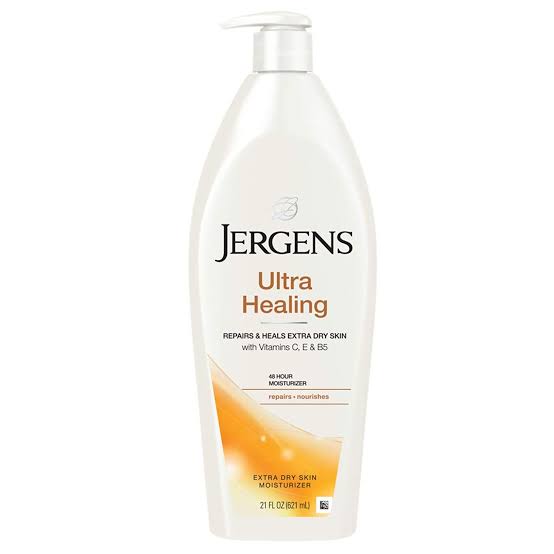
Jergens Ultra Healing Moisturizer
Jergens Ultra Healing is known for its deep moisturization and skin repair formula, especially for dry and cracked skin. It’s ideal for harsh weather and used by both men and women in Nigeria.
How to Spot the Original:
Look for a clear barcode, batch number, and expiry date printed directly on the bottle.
Genuine lotion is thick, rich, and creamy, not watery or too light.
The Jergens logo is finely printed with no faded or fuzzy edges.
The fragrance is subtle and not chemical-like.
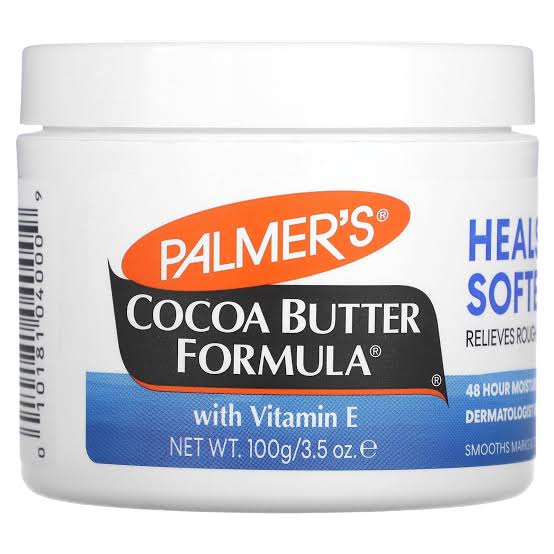
Palmer’s Cocoa Butter Formula
Palmer’s is a trusted skincare brand, popular for its rich cocoa butter cream that targets stretch marks, dry skin, and uneven tone. It’s widely used by pregnant women and individuals seeking skin rejuvenation.
How to Spot the Original:
Genuine Palmer’s has a strong cocoa scent and creamy texture.
Check for “ET Browne Drug Co.” as the manufacturer on the label.
Original comes in well-sealed packaging with high-quality print.
Fake versions may have thin lotion, off-smell, or weak packaging.
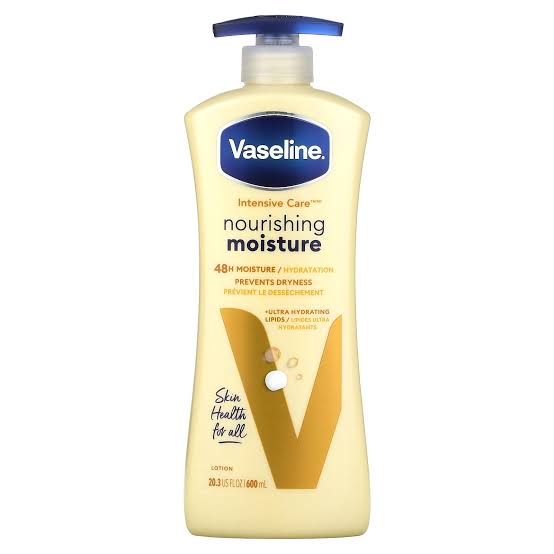
Vaseline Intensive Care Lotion
A household staple, Vaseline’s Intensive Care range is trusted for full-body hydration. It’s especially effective for healing dry, cracked skin and is used across all age groups.
How to Spot the Original:
Bottle should have even shape and coloring, no dents or rough surfaces.
Scent is mild or fragrance-free, depending on the variant.
Watch for NAFDAC registration and manufacturing country (USA or South Africa are authentic).
The cap on originals is firm and locks securely.
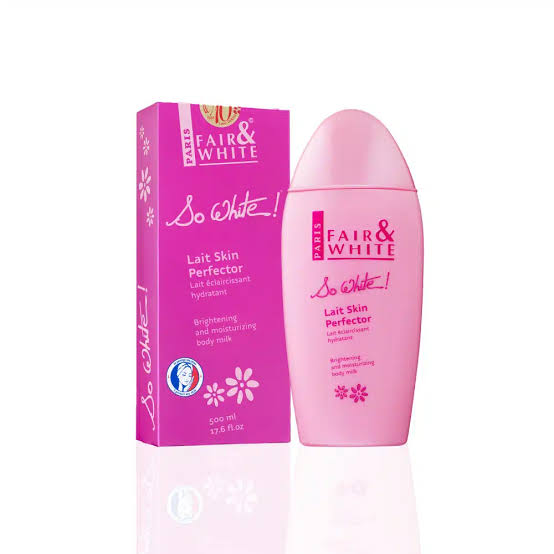
Fair & White So White! Brightening Lotion
Fair & White is a luxury skincare brand designed for skin brightening and tone correction. The So White! variant is popular among users looking to achieve a radiant and even complexion without harsh bleaching.
How to Spot the Original:
Comes with a security hologram or scratch code for verification.
Lotion is usually light pink with a soft fragrance, anything yellowish or foul-smelling is likely fake.
Cap is sturdy, and the print quality is excellent.
Always check for batch numbers and manufacturing details.
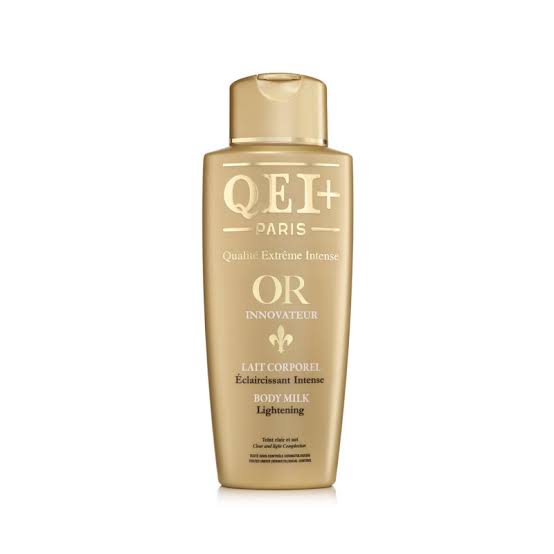
QEI+ Paris Lotion
QEI+ is a premium French skincare brand known for its strong yet safe skin-lightening creams. It’s favored by people with dark spots, hyperpigmentation, and uneven skin tone.
How to Spot the Original:
Original QEI+ bottles are heavy and well-designed, not flimsy or cheap.
Should include serial number and a QR code to verify online.
Lotion has a light fragrance and a creamy consistency, never watery.
Labeling is crisp, with zero errors in spelling or grammar.
Dove Beauty Nourishing Body Lotion
Dove lotions are known for their deep nourishment, leaving skin soft and smooth. It’s ideal for daily use and has gained massive trust in Nigeria due to its gentle formula.
How to Spot the Original:
The original has Dove’s logo embossed on the bottle, not just printed.
Texture is rich, not overly thick or watery.
Labels are firmly attached, and barcode is directly printed (not stickered).
The scent is mild and signature Dove, not too sharp or sour.
Purec Egyptian Magic Whitening Gold Lotion
This lotion is known for its skin brightening and anti-aging benefits. It’s infused with natural ingredients and is highly sought after by people trying to achieve fairer, glowing skin.
How to Spot the Original:
Genuine product includes a hologram sticker or QR scratch panel for authenticity.
Lotion is light gold in color — not white or yellowish.
Label and packaging should be flawless, with gold accents and readable fonts.
Texture is smooth, and fragrance is subtle.
Piment Doux Whitening Lotion
Piment Doux is another widely used whitening cream, praised for its ability to tone the skin and fade discoloration quickly. It’s especially popular in West African countries.
How to Spot the Original:
Authentic Piment Doux has a consistent creamy texture and sweet fragrance.
Check for manufacturing country (Cote d’Ivoire) and a proper expiry date.
Packaging should be tight, colorful, and error-free.
Original bottles feel sturdy, and the label is properly aligned and sealed.
General Tips to Avoid Counterfeit Creams in Nigeria
Avoid informal markets: Stick to reputable pharmacies, supermarkets, or official dealers.
Inspect packaging: Look out for misspellings, faded labels, and poor printing.
Check NAFDAC number and batch codes: Use NAFDAC’s SMS or online tools to verify.
Verify with brand websites: Use QR codes or product codes to check for authenticity.
Don’t be deceived by low prices: If it’s too cheap, it’s probably not the real deal.
Observe texture and smell: Fake creams usually have a chemical-like odor and unusual consistency.
Counterfeit skincare products are a growing threat in Nigeria. Knowing how to identify genuine creams not only protects your skin but also helps fight against the growing black market. Always research, buy from credible sources, and don’t hesitate to contact customer care lines of reputable brands when in doubt.
Note: I am not a professional in skin care products neither am I a health physician, I’m just someone who is keen about the health of individuals especially my readings which has moved me to make this research to the best of my ability. For any skin reactions and hazard please contact your physician or skin care expert.
In Nigeria, liquor is more than just a drink, it’s part of social life, celebrations, street culture, and nightlife. But in recent years, the rise in counterfeit alcohol has turned what should be a relaxing drink into a potential health hazard. From cheap spirits passed off as premium brands to dangerous home-brews sold in public places, fake liquor is everywhere.
The health risks are real and severe ranging from liver failure and blindness to coma and death. This article highlights the top 10 fake liquors often consumed in Nigeria and provides clear tips on how to identify original versions to help you protect yourself and others.
Fake Hennessy
Perhaps the most widely counterfeited liquor in Nigeria, fake Hennessy is everywhere, from clubs to beer parlors all over Nigeria cities. These imitations are often sold in refilled original bottles or poorly labelled copies. Hennessy is the go-to premium drink in Nigeria’s clubs and parties, making it a top target for counterfeiters.
How to Spot Fake Hennessy:
Fake versions often have unclear printing on the label.
The bottle cap might feel loose or have glue around it.
Genuine Hennessy has a unique seal and barcode you can verify via the official website or app.
The cork is high quality and embossed; fake ones often look cheap.
Health Risks: Headaches, blurred vision, liver failure, and poisoning due to harmful solvents.
Fake Jack Daniel’s Whiskey
No jokes but original Jack Daniel’s is an expensive drink that can not be afforded by some clubs and bars where you buy the fake ones, making it a prime target for counterfeiters.
How to Spot Original Jack Daniel’s:
Original bottles have raised glass embossing and precise fonts.
The label should not peel or look faded.
Original bottles come with a laser-etched production code near the neck.
The whiskey should smell oaky and smooth, not chemically sharp.
Health Risks: Kidney damage, dizziness, or death due to industrial alcohol content in fakes.
Fake Martell
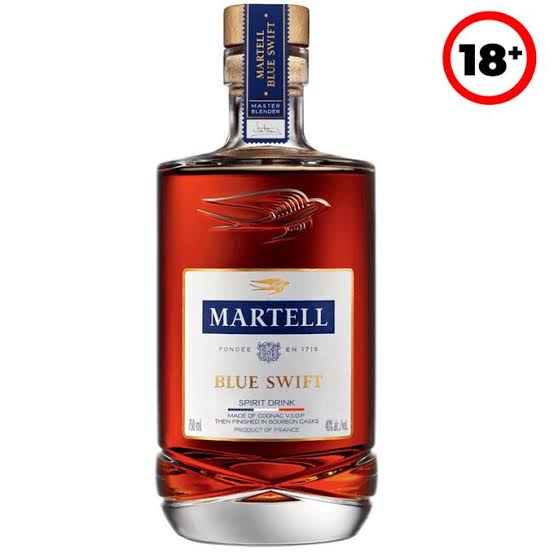
In recent years in Nigeria, Martell has gained prominence as a result of one of Nigeria big stars promoting the cognac which has led a lot of people to want to have a taste of it, promoting a sense of wealth and class. Counterfeit Martell, another premium alcohol is usually distributed through unregulated channels such as open markets and roadside vendors. The packaging may look convincing but the seal and labelling are often poorly done.
How to Spot Original Martell:
The bottle has a unique shape and heavy feel.
It includes a hologram sticker, lot number, and deep engravings on the bottle.
Original Martell has a deep amber color and a fruity aroma — fakes often smell like spirit mixed with flavoring.
Health Risks: Internal bleeding, organ failure, and long-term neurological damage.
Fake McDowell’s
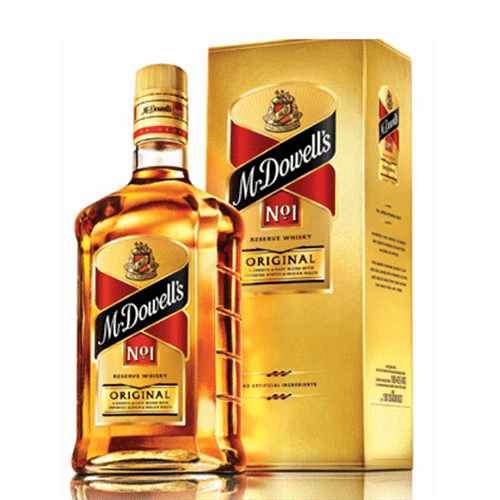
Popular in South-South and South-East Nigeria, fake McDowell’s is often sold in sachets or cheap plastic bottles. The production of these fake products is common in local spots operating without NAFDAC regulations.
How to Spot the Original:
Look for NAFDAC registration and an intact seal.
The original bottle is properly branded with clearly printed expiry dates.
The smell is smooth and alcoholic, not harsh or chemically.
Health Risks: Stomach ulcers, liver issues, hallucinations.
Fake Chelsea Dry Gin
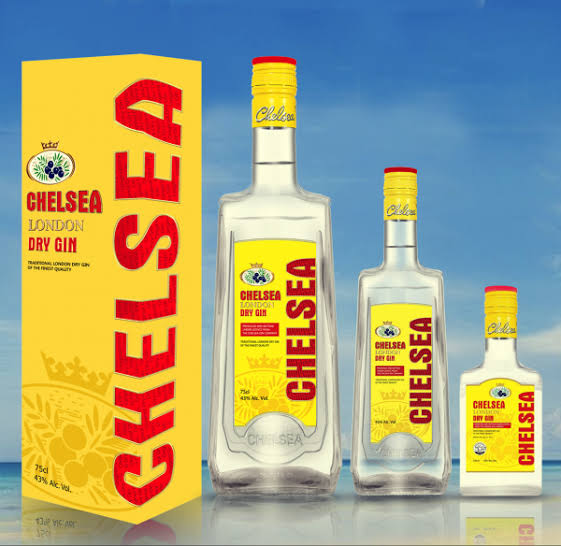
One of the most dangerous locally faked liquors, fake Chelsea Dry Gin is especially popular in low-income areas and we see youths and even adults drinking them daily from motor parks to bars and on the street.
How to Spot Original Chelsea:
Original Chelsea has a bright silver seal and barcode that is easily scannable.
Comes in a glass bottle, not a plastic one or sachet.
Label should not be peeling or crooked.
Health Risks: Blindness, heart irregularities, severe stomach pain.
Fake Squadron Dark Rum
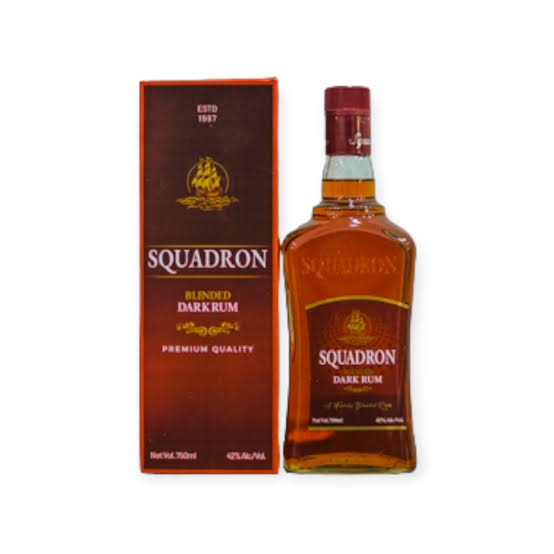
Squadron Dark Rum is often targeted because of its popularity among young Nigerians. Counterfeit versions are usually sold in bus parks and drinking joints at a cheap rate in sachets and plastic bottles.
How to Spot Original Squadron:
Real bottles are sealed tight with a unique branding code under the cap.
Liquid is dark, thick, and sweet-smelling — fakes are often watered down.
No floating particles should be inside.
Health Risks: Drowsiness, vomiting, memory loss.
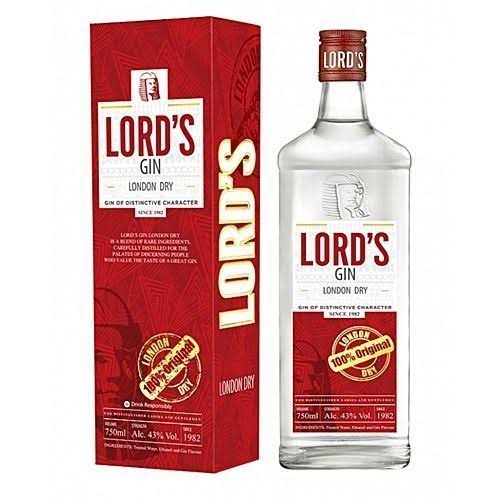
Fake Lord’s Dry Gin
This local brand has fallen victim to extensive counterfeiting as most of it we see daily at motor parks, bars, provision shops, etc are all fake.
It is mostly used by many for ceremonies and occasions but often counterfeited due to its wide reach.
How to Spot Original Lord’s Gin:
Comes in a glass bottle with the green Lord’s eagle symbol.
The label should include a verifiable NAFDAC number and be waterproof.
The gin should be clear, not cloudy.
Health Risks: Heart failure, nausea, and respiratory problems.
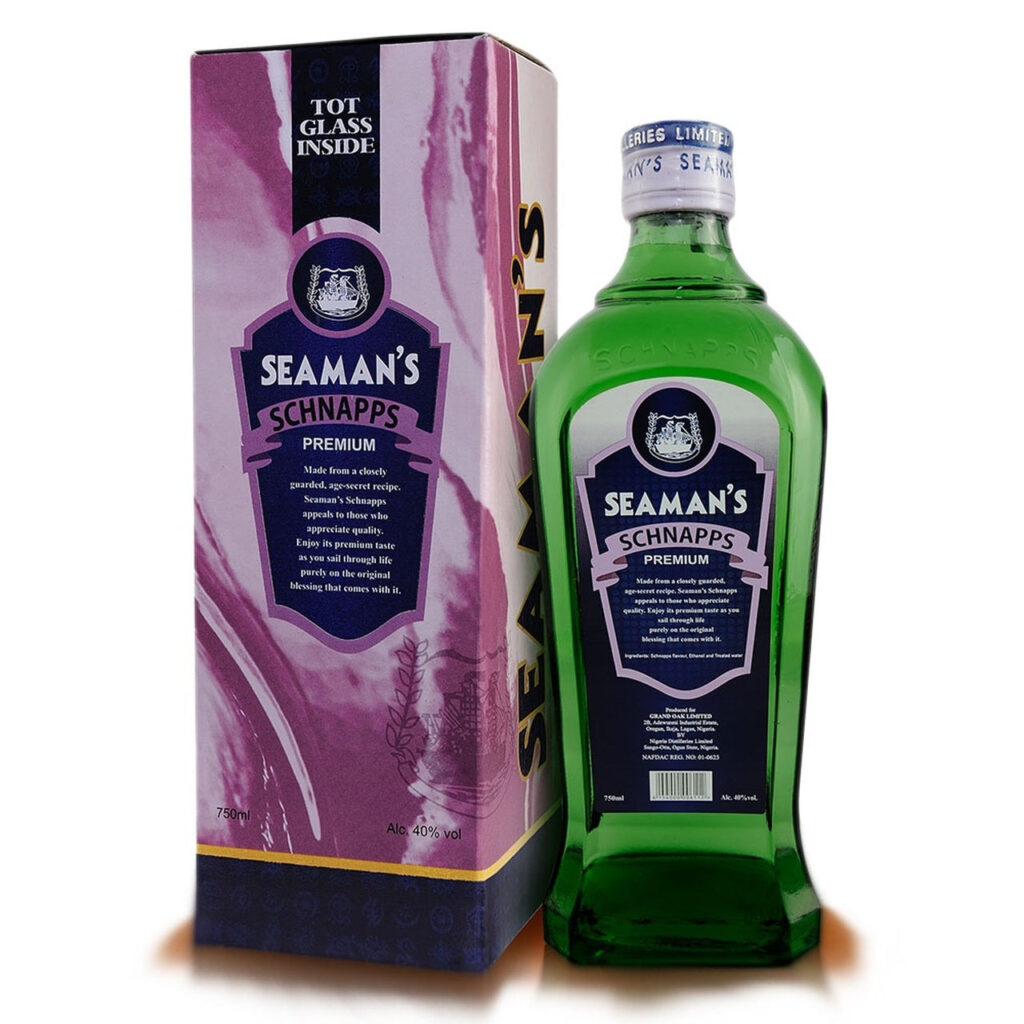
Fake Seaman’s Schnapps
Used often in traditional ceremonies and events, Seaman’s Schnapps has been heavily counterfeited in our societies. Fake versions are made with industrial ethanol and mixed with synthetic flavouring.
How to Spot Original Seaman’s:
Genuine versions come with a tamper-proof gold seal.
The label has a deep green background with white and red texts — anything off-colored is likely fake.
The liquid is crystal clear and smells herbal.
Health Risks: Intoxication, loss of consciousness, body weakness.
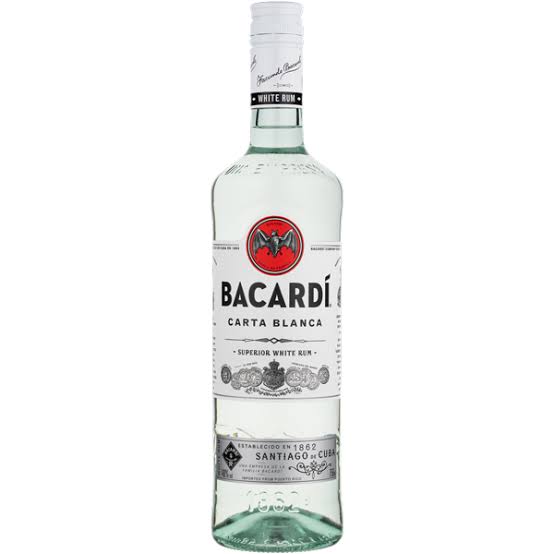
Fake Bacardi
This international rum brand is not spared either. In Nigeria, fake Bacardi is typically distributed through online sellers offering bonus sales, with no verifiable source of distribution.
Bacardi is a well-known international brand, often found at parties and lounges.
How to Spot Original Bacardi:
The original bottle has a bat symbol watermark and fine print quality.
It should have a smooth sweet smell and not be too harsh on the nose.
Health Risks: Brain fog, body tremors, alcohol poisoning.
Fake Smirnoff Ice and Vodka
This drink is very common among young people in recent times, used for parties and get together. The fake versions of the Vodka and Ice variants are increasingly common in clubs and lounges. They are often filled with highly concentrated local spirits mixed with sweeteners and artificial flavouring.
How to Spot the Original:
The label is shiny and properly glued to the bottle.
Cap has a clean seal; once broken, it cannot be reused.
Liquid is clear with no sediments. Smirnoff Ice should have a slight lemony aroma.
Health Risks: Digestive tract damage, mood swings, severe hangovers.
How to Protect Yourself from Fake Liquor in Nigeria
Buy from trusted outlets only – supermarkets, licensed bars, or direct distributors.
Look for the NAFDAC registration number and verify it online.
Smell and inspect – if it smells too strong, metallic, or chemical-like, don’t drink it.
Scan QR/barcodes – some original brands now have scannable authentication codes.
Avoid cheap drinks you know within yourself the original is worth more than that but because you want to drink alcohol buy it all the same tampering with your health.
Note: I am not a professional on matters relating to alcohol neither am I a physician but this article has been put together with proper research. Prioritize your health and stay safe.
High blood pressure, or hypertension, is often called the “silent killer” not because it shouts, but because it quietly damages your body over time. Many people don’t even realize they have it until it leads to more serious issues like heart disease, stroke, or kidney failure.
While medications can help, not everyone wants to jump straight into prescriptions. The good news? Lifestyle changes can be incredibly effective at lowering and managing blood pressure—often without the need for pills.
Let’s walk through practical, evidence-based strategies to manage high blood pressure naturally.
1. Cut Back on Salt
Salt is one of the biggest dietary culprits. Too much sodium causes your body to retain water, which increases pressure on your blood vessels.
Goal: Aim for less than 2,300 mg of sodium per day, or ideally closer to 1,500 mg.
Tips: Read food labels, cook more at home, and flavor your meals with herbs, spices, garlic, or lemon juice instead of salt.
2. Move Your Body, Regularly
You don’t need a gym membership or fancy gear. Just moving consistently can work wonders.
Goal: 30 minutes of moderate exercise (like brisk walking) 5 days a week.
Bonus: Exercise reduces stress, improves heart health, and helps with weight control—all key to managing blood pressure.
3. Lose Even a Little Weight
Extra weight makes your heart work harder, increasing pressure in your arteries. The great news? Even small changes matter.
Fact: Losing just 5–10% of your body weight can significantly reduce blood pressure.
Action: Start with realistic goals. Swap sugary drinks for water. Eat smaller portions. Stay consistent.
Image from Century Medical & Dental
4. Eat a Heart-Friendly Diet
The DASH diet (Dietary Approaches to Stop Hypertension) is proven to lower blood pressure.
Focus on: Fruits, vegetables, whole grains, lean proteins, low-fat dairy.
Limit: Processed foods, red meats, sweets, and saturated fats.
5. Reduce Stress
Chronic stress raises your blood pressure—and how you cope with stress matters too. Many people turn to unhealthy habits like smoking or emotional eating.
Try: Deep breathing exercises, prayer, meditation, nature walks, journaling, or even just listening to calming music.
6. Cut Back on Alcohol and Quit Smoking
Alcohol: Keep it moderate—no more than one drink a day for women, two for men.
Smoking: Every cigarette raises your blood pressure for minutes after you finish. Quitting delivers benefits almost immediately.
7. Get Better Sleep
Sleep isn’t a luxury—it’s a necessity for a healthy heart.
Aim for: 7–9 hours per night.
Tips: Create a sleep routine, limit screen time before bed, and avoid caffeine in the evening.
8. Monitor Your Blood Pressure at Home
Keeping track helps you understand what works for your body and motivates you to stay on course.
Tip: Use a digital home monitor and keep a daily log to share with your doctor.
In conclusion, you don’t always need medication to manage high blood pressure. A healthier lifestyle can be just as powerful, sometimes even more so. And the best part? These changes improve your overall well-being, not just your blood pressure.
If you’re currently on medication, don’t stop without consulting your doctor—but do talk to them about how your lifestyle changes might reduce your need for it over time.
In our fast-paced world, the way we start our mornings can set the tone for the entire day, as starting your day with intention is a powerful way to set the tone for a productive and mindful day. Whether you’re looking to boost your energy, find peace of mind or set yourself up for success, establishing a morning routine can transform your life by incorporating intentional practices into your morning, you can cultivate a positive mindset, boost your energy and prepare yourself for whatever it is the day may bring.
Beginnings are quite important. They set a tone for what’s to come, and mornings are no exception. Establishing a morning routine can be the perfect way to start your day off on the right foot. We may end up asking ourselves, “what are the right morning routine to take, How do we take these steps, what are the benefits of a mindful morning routine?” Here’s a guide:
Mindful Morning Routines
Starting Your Day with IntentionIn our fast-paced world, the way we start our mornings can set the tone for the entire day. A mindful morning routine can transform your life by grounding you in the present moment, fostering a sense of calm, and8 setting clear intentions. Here’s a comprehensive guide to creating a mindful morning routine that you can integrate into your daily life.
Wake Up Early
Waking up early gives you the quiet time you need to start your day without rush. Aim to wake up at least an hour before your usual time. This not only gives you ample time for your routine but also allows you to experience the tranquility of the early morning.
Hydrate with Intention
Starting your day by drinking a glass of water. Hydrating first thing in the morning helps your metabolism and flushes out toxins. As you drink, take a moment to feel gratitude for the water, appreciating its role in nourishing your body.
Practice Gratitude
Spend a few minutes reflecting on what you’re grateful for, you can start by writing down three things you’re grateful for each day to cultivate a positive mindset. This practice can be as simple as thinking of three things or writing them down in a journal.
Gentle Movement or Exercise
Including some form of physical activity or exercise into your morning. Whether it’s yoga, stretching, or a light jog, movement helps to wake up your body, improve circulation, and release endorphins. Choose an activity that you enjoy and that feels good to you.
Mindful Breathing or Meditation
Take at least 5-10 minutes to practice mindful breathing or meditation. Maintain a good sitting posture, close your eyes, and focus on only your breathing. Inhale deeply and hold on for a few seconds, then exhale slowly. This practice centres your mind and reduces stress, preparing you for the day ahead.
Nourish Your Body with a Healthy Breakfast
Prepare a nutritious breakfast that fuels your body. Eat more whole foods like fruits, vegetables, whole grains, and proteins. As you eat, practice mindful eating by savoring each bite, noticing the flavours, textures, and how the food makes you feel.
Set Intentions for the Day
Define your goals and priorities for the day, create a to-do list to help you stay focused. Ask yourself what you want to achieve, how you want to feel, and what mindset you need to maintain. Writing these intentions down can make them more concrete and help you stay focused throughout the day.
Personal Development
Dedicate some time to personal growth activities such as reading, journaling, or listening to a podcast. Choose content that inspires you, expands your knowledge, or helps you grow personally and professionally.
Plan and Prioritize
Review your schedule and to-do list for the day. Prioritize your tasks and set realistic goals. This not only organizes your day but also reduces anxiety by giving you a clear roadmap to follow.
Embrace Silence
Before diving into the noise of the day, spend a few moments in silence. This could be during your meditation, while drinking your morning tea, or simply sitting and enjoying the quiet. Silence helps you connect with your inner self and reinforces a sense of peace.
Tips for creating a sustainable morning routine:
Start small and add new practices gradually
Be consistent and make it a habit
Make it enjoyable and personalized
Be gentle with yourself and don’t be too hard on yourself if you miss a day.