Nollywood Actor Ray Emodi Reveals He’s Officially Quitting Acting to Focus on Music

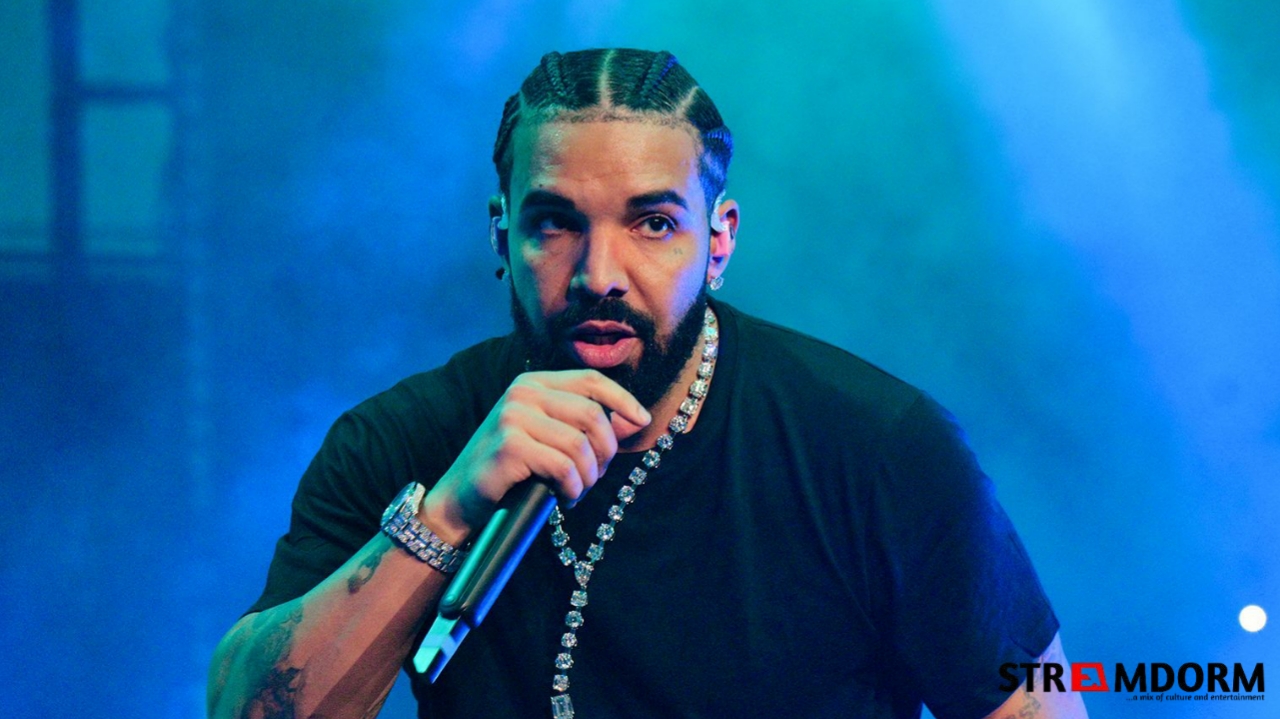
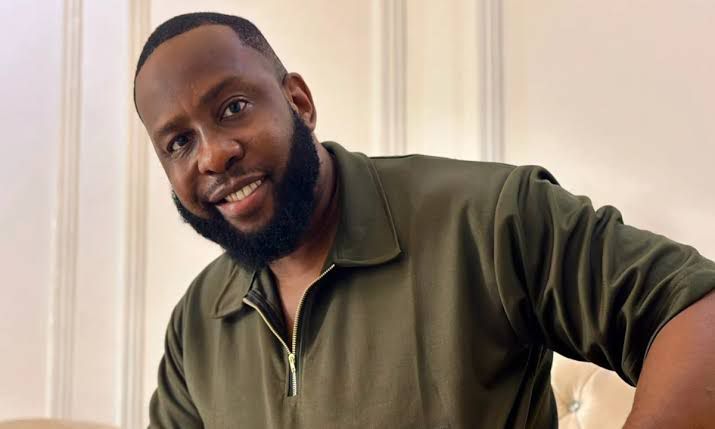
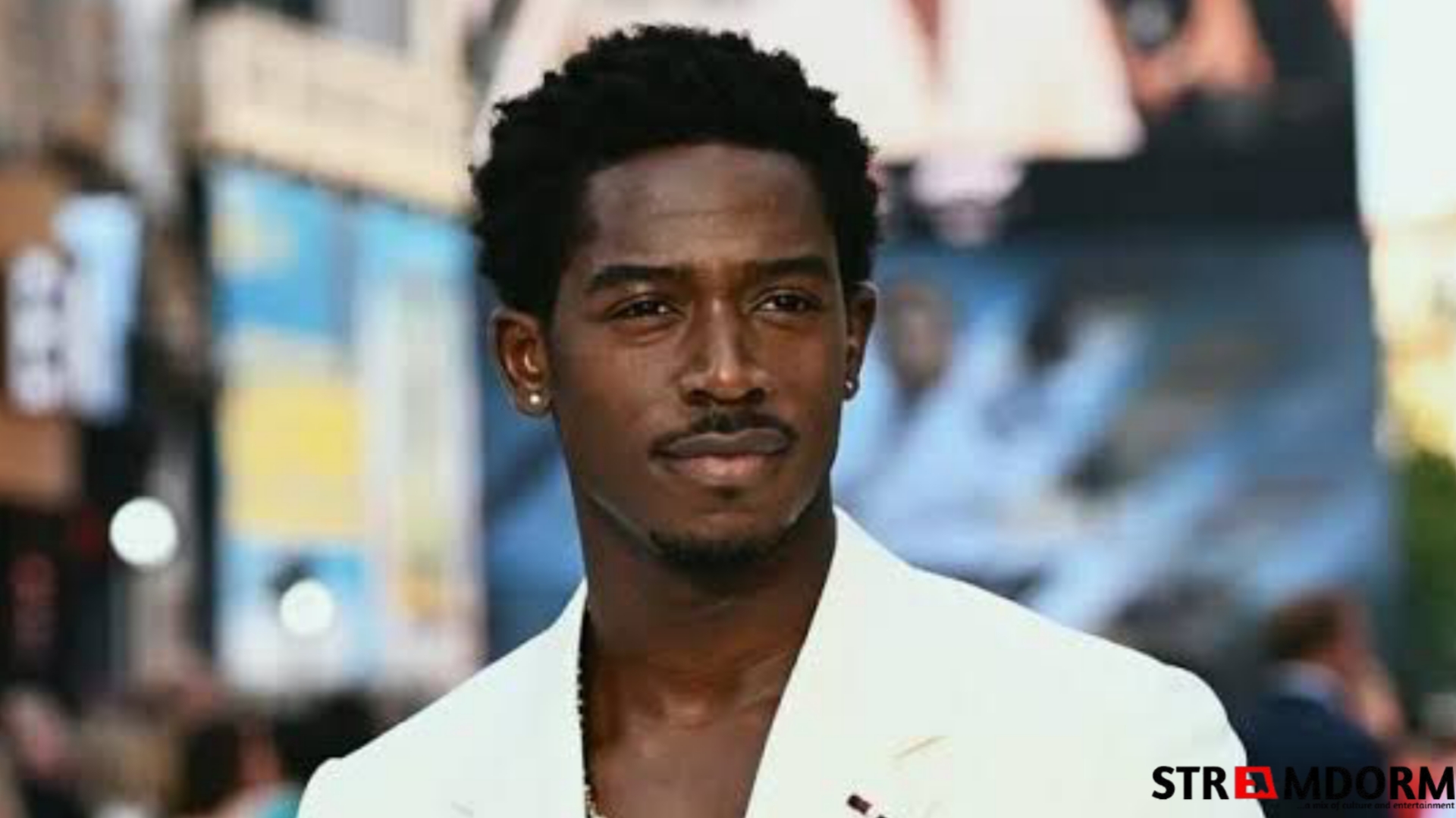
Nollywood actor Ray Emodi has announced a major career shift, revealing that he is stepping away from acting to focus fully on music.

In a video shared on his social media platforms, the actor addressed fans directly, stating that while he appreciates the support he has received from movie lovers over the years, his creative direction is changing.

I love every Nollywood fan, but I’m going to make music for the dance floor. I want to make music for people that are knacking. We’re working on my EP,” he said.

The announcement has sparked widespread reactions across social media, with many fans expressing surprise at what appears to be a complete transition from film to music even though he has been dropping clips of him singing on his social media handles. 

Ray Emodi, who has built a reputation as one of Nollywood’s charismatic leading men in recent years, suggested that the decision was not made lightly. According to him, his family does not support the move. He explained that his family has a reputation to protect and certain expectations, which makes the switch even more complicated.

While he did not confirm an official release date for the EP, he stated that work is already in progress. As of now, no tracklist or collaborators have been publicly announced.

The actor’s pivot reflects a broader trend of entertainers exploring multiple creative lanes, though it remains unclear whether this is a permanent exit from film or a temporary break to focus on music. Emodi did not explicitly state that he would never return to acting, but his comments suggest a serious commitment to his new path.

For now, fans await further details on the EP and what his sound will ultimately deliver. Whether the transition will reshape his public image or expand his fanbase. 

Kilanko: The Invisible Child Set for March Release, Showcases the Late Allwell Ademola’s Final Directorial Masterpiece

Nollywood is once again preparing for a deeply emotional cinematic moment. Kilanko: The Invisible Child, the latest project from actor turned producer Rotimi Salami, is set to hit Nigerian cinemas this March and it carries more weight than a typical film release.

Beyond its storyline, Kilanko stands as one of the final directorial works of Allwell Ademola, whose passing in late 2025 sent shockwaves through the industry. Although she passed away before the film’s release, Kilanko now serves as a posthumous showcase of her artistry. It reminds Nollywood and its audiences of the power a director has in giving stories life, and it reveals  her place as one of the industry’s talents. Beyond this single film, her work continues to influence emerging filmmakers who aspire to combine commercial appeal with meaningful narratives.

In the broader context of Nigerian cinema, Allwell Ademola’s legacy is about showing the value of perspective and empathy. Her final directorial effort ensures that, even in absence, her voice continues to resonate not just in the themes she explored, but in the standard of storytelling she leaves behind.

While official plot details remain guarded, Kilanko: The Invisible Child has been described as an emotional drama exploring hidden pain, sacred sacrifice, and maternal resilience. The title alone suggests a narrative centered on a child overlooked by society; physically present, yet emotionally unseen.

Early descriptions from the production team hint at themes that resonate strongly within Nigerian communities: neglect, family bonds, and the quiet strength of mothers who endure more than they reveal. If executed with depth, the film could join the growing class of socially reflective Nollywood dramas that prioritize storytelling over spectacle.

The film brings together respected Nollywood veterans, including:

  • Saidi Balogun
  • Ibrahim Chatta
  • Biola Adebayo
  • Saka Oyetoro

With Rotimi Salami also appearing on screen, the ensemble suggests a production rooted in performance-driven storytelling. 

For Salami, this project represents another step in his evolution from actor to full-fledged producer. In recent years, Nollywood has seen a wave of performers stepping behind the camera to control narrative direction and production quality. Kilanko appears to sit firmly within that shift.

The emotional core of this release lies in its direction. Allwell Ademola was widely respected for her ability to craft intimate, character-focused stories. Her involvement elevates Kilanko beyond commercial expectations; it becomes a preservation of artistic legacy.

For an industry still experiencing the loss of influential creatives, the film offers audiences a chance to witness one of her final creative visions on the big screen.

Kilanko: The Invisible Child is scheduled to premiere on March 1, 2026, before opening nationwide in Nigerian cinemas on March 6, 2026.

The March window positions it strategically outside the heavy December blockbuster season, giving it space to breathe and potentially build word of mouth momentum.

If early anticipation translates into box office interest, Kilanko could become one of the more emotionally discussed Nollywood releases of the first quarter of 2026.

Robert Carradine, ‘Revenge of the Nerds’ and ‘Lizzie McGuire’ Star, Dies at 71

Veteran American actor Robert Carradine has died at the age of 71, his family confirmed on February 23, 2026.

Carradine was best known for his role as the socially awkward but determined Lewis Skolnick in the 1984 cult comedy Revenge of the Nerds, a performance that turned him into a pop culture icon of the 1980s. Decades later, he introduced himself to a new generation as Sam McGuire, the supportive father in Disney Channel’s hit series Lizzie McGuire.

His family said he had been living with bipolar disorder for nearly two decades. In a statement, they described him as a deeply creative spirit who remained resilient despite personal struggles, and they expressed hope that sharing his story would help reduce stigma surrounding mental health conversations.

Born into the legendary Carradine acting family, Robert was the son of actor John Carradine and part of a Hollywood dynasty that includes brothers David and Keith Carradine. Over a career spanning more than five decades, he built a resume that stretched far beyond his most famous roles.

In the early 1970s, he appeared in notable films such as The Cowboys alongside John Wayne and Martin Scorsese’s crime drama Mean Streets. Though often associated with comedy because of Revenge of the Nerds, Carradine demonstrated versatility across genres, working steadily in television and film throughout the 1980s, 1990s, and 2000s.

His portrayal of Lewis Skolnick became a defining character of its era; emblematic of underdog triumph and campus comedy culture. Meanwhile, his role in Lizzie McGuire secured his place in millennial childhood nostalgia, portraying a grounded, humorous father figure in one of Disney Channel’s most beloved early-2000s series.

Tributes from colleagues and fans have begun pouring in across social media, with many remembering his warmth, wit, and lasting cultural impact.

Robert Carradine leaves behind a body of work that bridged generations, from cult comedy classic to family television staple. 

May his soul rest in peace. 

BBC Cuts Part of Akinola Davies Jr.’s BAFTA Speech — Why “Free Palestine” Was Left Out

The 2026 BAFTA Awards were full of celebration, but one moment quickly became the center of conversation and controversy. Akinola Davies Jr., the British-Nigerian filmmaker, won the Outstanding Debut by a British Writer, Director or Producer award for his acclaimed film My Father’s Shadow. On stage, his speech was heartfelt, emotional, and politically charged. Yet when the BBC aired the ceremony on television, a key line from his speech, including the phrase “free Palestine” was missing.

The omission has sparked debate online, raising questions about editorial decisions, broadcast priorities, and how political messages are handled in mainstream media.

In his acceptance speech, Davies Jr. highlighted the importance of storytelling, memory, and social responsibility. Speaking to an audience of filmmakers, actors, and guests, he said:

“Archive your loved ones. Archive your stories yesterday, today, and forever. For Nigeria, for London, the Congo, Sudan, free Palestine.”

This line, filled with solidarity and political resonance, was celebrated by the live audience. Yet it did not appear in the version of the ceremony broadcast on the BBC.

The BBC explained that the omission was due to time constraints rather than political reasons. The live ceremony lasted roughly three hours, while the televised broadcast was limited to two. Multiple speeches were shortened across the event to fit the broadcast window. Full speeches, including the unedited version of Davies Jr.’s remarks, are available on BAFTA’s official YouTube channel. 

Despite these explanations, critics noted that some other unscripted or controversial moments remained in the broadcast, leaving viewers questioning why Davies Jr.’s politically charged line was cut.

Social media has gone on to highlight these discrepancies. Many applauded Davies Jr. for using his platform to raise awareness for global struggles. Others criticized the BBC for “censoring” a moment that reflected real-world issues.

For many, the incident illustrates the tension between live audience experience and televised broadcast reality. On stage, his words were met with cheers and applause. On TV, millions of viewers missed a portion of that context, altering the perceived impact of the moment.

Watch the Full Speech

If you want the full context, BAFTA typically posts complete acceptance speeches on its official YouTube channel. Watching the uncut version allows viewers to experience the speech as it was delivered, including the line “free Palestine” and appreciate the full power of Davies Jr.’s words.

2026 BAFTA Winners: Full List of Awardees from One Battle After Another to Rising Stars

The 2026 BAFTA Film Awards, held on February 22 in London, saw a mix of industry veterans and rising stars take home the night’s most coveted trophies. One Battle After Another emerged as the biggest winner, sweeping both creative and technical categories under the direction of Paul Thomas Anderson.

Here’s a breakdown of the major categories and winners:

Best Film & Director

  • Best Film: One Battle After Another
  • Best Director: Paul Thomas Anderson – One Battle After Another

Acting Awards

  • Best Leading Actor: Robert Aramayo – I Swear
  • Best Leading Actress: Jessie Buckley – Hamnet
  • Best Supporting Actor: Sean Penn – One Battle After Another
  • Best Supporting Actress: Wunmi Mosaku – Sinners
  • EE Rising Star Award (public-voted): Robert Aramayo

Screenplay & Writing

  • Original Screenplay: Sinners – Ryan Coogler
  • Adapted Screenplay: One Battle After Another

Craft & Technical Awards

  • Cinematography: One Battle After Another
  • Editing: One Battle After Another
  • Original Score: Sinners
  • Sound: F1
  • Casting: I Swear

Design & Production

  • Production Design: Frankenstein
  • Costume Design: Frankenstein
  • Makeup & Hair: Frankenstein
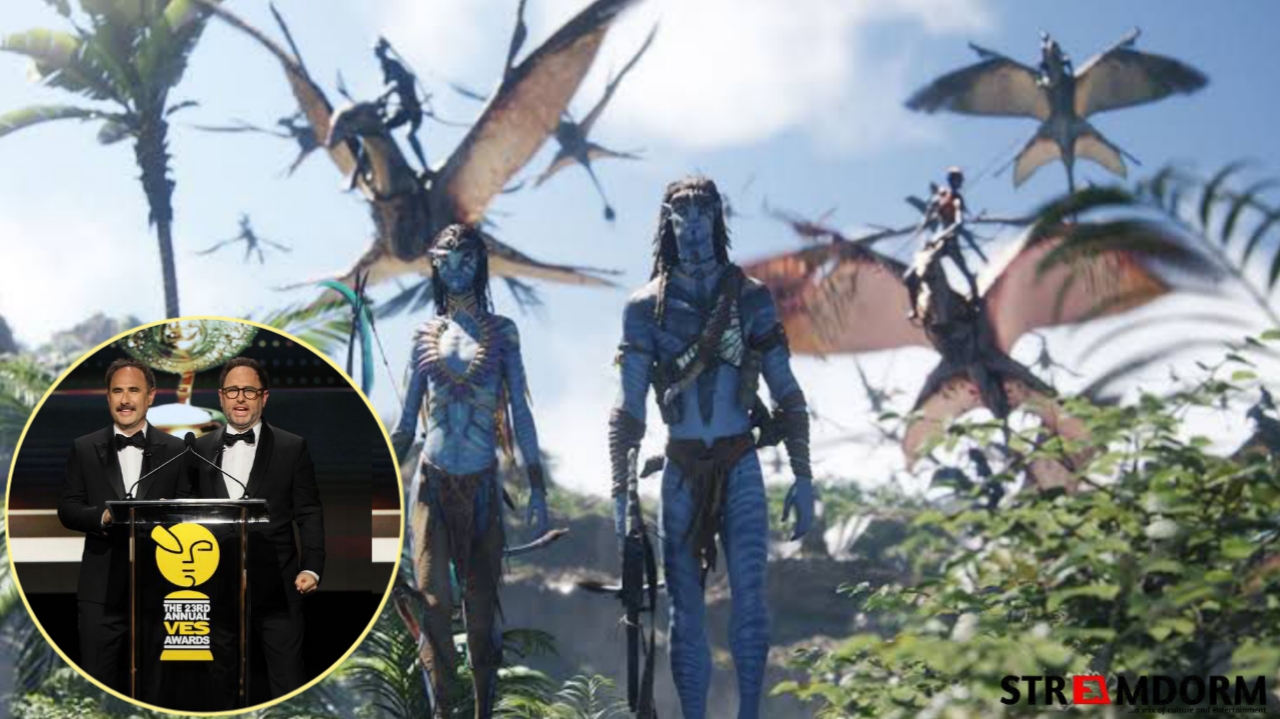
  • Visual Effects: Avatar: Fire and Ash

British & International Film

  • Outstanding British Film: Hamnet
  • Film Not in the English Language: Sentimental Value
  • Best Animated Film: Zootropolis 2
  • Best Children’s & Family Film: Boong
  • Best Documentary: Mr. Nobody Against Putin
  • Outstanding British Debut: My Father’s Shadow – Akinola Davies Jr & Wale Davies
  • British Short Film: This Is Endometriosis
  • British Short Animation: Two Black Boys in Paradise

Special Honors

  • Outstanding British Contribution to Cinema: Clare Binns
  • BAFTA Fellowship: Dame Donna Langley

With multiple wins in both creative and technical categories, One Battle After Another is now a clear frontrunner for the 2026 Oscars, while emerging talents like Robert Aramayo continue to make their mark on international cinema.

Simi Responds to Resurfaced Old Tweets, Denies Inappropriate Intent

Nigerian singer Simi has responded after several of her old tweets resurfaced online, prompting criticism and debate across social media.

The posts, originally shared between 2012 and 2013, began circulating this week, with some users questioning their wording and intent. The resurfaced tweets referenced children at a daycare where the singer said she once lived and helped out while pursuing her music career.

In a statement posted on X (formerly Twitter), Simi acknowledged the tweets and addressed the growing conversation around them.

“I haven’t been on twitter today – but someone brought a few of my old tweets to my attention and I can’t not address it,” she wrote.

She clarified that at the time of the tweets; approximately 14 years ago,  she was 23 years old and assisting at her mother’s daycare. According to the singer, she frequently posted about everyday experiences during that period.

“In 2012, I lived and helped out at my mom’s daycare while I was hustling my music. I tweeted everything that happened in my life, as we all did at the time,” she stated.

Simi explained that the posts about children were expressions of affection or humor and denied any inappropriate intent.

“Nothing I tweeted was from perversion,” she wrote, adding that she would not allow her story to be twisted to fit what she described as false narratives.

She also disclosed that members of her team have deleted some of the resurfaced tweets due to the sensitivity of the situation for her family. While she said she initially did not want them removed, she acknowledged the broader implications.

The singer further emphasized her history of speaking out against sexual violence.

“I have always spoken against rape and sexual assault even before you knew I existed. It’s not a costume I’m wearing, it’s who I am,” she wrote. “I said stop raping women. I stand by it.”

As of the time of this report, there are no legal allegations linked to the resurfaced posts. The issue remains confined to online discourse and public reaction.

Simi has not issued additional statements beyond her initial response.

Wednesday Season 3 Begins Filming in Ireland; Nevermore Reopens

Cameras are officially rolling on Wednesday Season 3 in Ireland, marking the next phase of one of Netflix’s most valuable global franchises. Production has commenced this week, with principal photography underway across Irish locations that previously helped redefine the show’s gothic visual identity.

For a series that quickly became a cultural force, the start of filming is more than routine industry news. It signals expansion.

After relocating production to Ireland in Season 2, the series has kept the country as its long-term creative base. The decision is strategic. Ireland’s atmospheric landscapes enhance the show’s dark tone, while its historic architecture naturally aligns with Nevermore’s gothic aesthetic. The country also offers large-scale studio infrastructure capable of supporting an effects-heavy production.

Over time, Ireland has evolved into part of the show’s visual DNA. The fog, forests, and brooding estates elevate the tone without relying excessively on digital environments. Maintaining the same production base also suggests creative stability. Season 3 is building on a world that already feels defined rather than reinventing it.

A 2026 production start indicates a lengthy shoot ahead. Given the scale of the series; elaborate set design, creature effects, stunt choreography, and complex post-production layering, a 2027 release window appears likely. Netflix has not announced an official premiere date, but the beginning of filming confirms that development is well advanced and that the franchise remains a priority within the company’s global slate.

While no formal casting announcement has accompanied the production update, core members are widely expected to return, including Jenna Ortega, whose performance transformed Wednesday Addams into a generational anti-hero. Ortega’s portrayal, emotionally restrained, razor-sharp, and psychologically layered became central to the show’s breakout success. Season 3 now carries the responsibility of evolving that character without softening her defining traits.

When Wednesday debuted, it functioned as more than a reboot. It repositioned the Addams Family mythology for streaming-era audiences; stylized, culturally resonant, and narratively ambitious. The series balanced gothic horror, satire, teen mystery, and character-driven drama with surprising precision.

Season 3 represents a critical phase in that evolution. The mystery framework must continue to expand without becoming repetitive. The world may need to stretch beyond Nevermore while maintaining tonal consistency. The mythology must deepen without losing accessibility.

Nevermore’s gates are open again. And this time, expectations are even higher.

King Kosoko: The Battle for Lagos — Femi Adebayo Leads Nollywood’s 2026 Historical Epic

Nollywood’s historical renaissance is showing no signs of slowing down. With large-scale productions increasingly revisiting Nigeria’s pre-colonial and early colonial past, a new epic is now commanding attention: King Kosoko: The Battle for Lagos.

Set for release in 2026, the film dramatizes the turbulent reign of Oba Kosoko, who ruled Lagos between 1845 and 1851. His leadership unfolded during one of the most decisive moments in the city’s history; a period marked by political rivalry, resistance, and eventual confrontation with British colonial forces.

Historically, Oba Kosoko’s reign was defined by internal succession disputes and mounting tensions with the British, who sought to expand their influence along the West African coast.

The 1851 bombardment; often linked to what is known as the “Salt Water War” (Ogun Olomiro), became a turning point in Lagos history. The confrontation ultimately paved the way for increased British intervention and would later influence the eventual annexation of Lagos in 1861.

By bringing this chapter to the screen, the filmmakers are revisiting a defining moment in Nigeria’s historical trajectory, one that continues to spark scholarly and cultural discussion.

Award-winning actor Femi Adebayo leads the project in the title role. Known for his commanding screen presence and emotional range, Femi Adebayo’s casting signals the scale and seriousness of the production.

Early promotional materials suggest a performance grounded in authority and intensity; a portrayal likely to balance royal dignity with political defiance.

Joining him is a heavyweight ensemble cast that reflects Nollywood’s upper tier:

  • Jide Kosoko
  • Femi Branch
  • Faithia Williams
  • Gabriel Afolayan
  • Odunlade Adekola (in a key supporting role)

The film is directed by Adebayo Tijani, a filmmaker associated with large-scale Yoruba historical storytelling. His previous works include Jagun Jagun and Olori Ogun, both noted for elaborate costuming, stylized battle sequences, and strong cultural detailing.

Producers Ayo Ajayi and Segun Olojo Kosoko are attached to the project, with the latter’s surname drawing attention due to its historic ties to the Kosoko lineage; a detail that has fueled conversations about authenticity and cultural consultation.

King Kosoko: The Battle for Lagos arrives amid a renewed appetite for Nigerian historical epics. Films like Jagun Jagun and Lisabi: A Legend Is Born have demonstrated that audiences are eager for stories rooted in indigenous history, folklore, and resistance narratives.

This resurgence marks an important evolution in Nollywood’s storytelling identity. For decades, contemporary dramas and comedies dominated the industry. Now, filmmakers are investing in: Cultural reclamation, Pre-colonial political narratives, Traditional aesthetics and language and Higher production value

For Nollywood, it represents something bigger: a growing confidence in telling African stories with epic scale and historical depth.

If executed with the care and ambition suggested by its early details, King Kosoko: The Battle for Lagos could become one of 2026’s defining Nigerian films.

Streamdorm will continue to update this story as trailers, confirmed release dates, and additional production details emerge.

Eric Dane Completed Filming Euphoria Season 3 Before His Death at 53

Eric Dane reportedly completed filming his scenes for Season 3 of Euphoria before his death on Thursday, February 19, 2026. He was 53.

Multiple outlets have confirmed that the actor had wrapped production on the upcoming season of the HBO drama prior to his passing, meaning audiences will see his final performance when the new season premieres.

Dane, widely known for his role as Dr. Mark Sloan on Grey’s Anatomy, played Cal Jacobs on Euphoria;  the complex and deeply flawed father of Nate Jacobs. His portrayal of Cal was one of the show’s most layered performances, exploring themes of repression, masculinity, and identity across the series’ first two seasons.

Nearly a year before his death, Dane publicly revealed that he had been diagnosed with amyotrophic lateral sclerosis (ALS), a progressive neurodegenerative disease that affects motor neurons. Despite his diagnosis, he continued working, determined to fulfill his professional commitments.

Season 3 of Euphoria is scheduled to premiere in April 2026. HBO and members of the cast and crew have since paid tribute to Dane, describing him as a dedicated actor and a generous collaborator whose presence shaped the tone of the series.

His appearance in the forthcoming season will now stand as a final chapter in a career that spanned television, film, and stage and one last performance for fans who followed his journey from Grey’s Anatomy to Euphoria.

BLACKPINK Makes History as First Musical Act to Reach 100 Million YouTube Subscribers

On February 20, 2026, BLACKPINK officially crossed a milestone no other musical act had achieved before: 100 million subscribers on their official YouTube channel. This historic moment, confirmed by the group on their official X (formerly Twitter) account, reinforces BLACKPINK’s status as a global powerhouse in digital music and fan engagement.

Within hours, fans known as BLINKs flooded the platform with reactions, memes, and tributes to the group’s unprecedented achievement.

BLACKPINK’s feat is even more remarkable considering the scale of their discography: around 33 songs and just 13 music videos. Despite this, their subscriber growth has surpassed that of major Western acts and fellow K-pop groups, making them the most-subscribed music act on YouTube.

This landmark qualifies BLACKPINK for YouTube’s exclusive Red Diamond Play Button, awarded only to channels that reach the 100 million subscriber threshold. They are the first musical act to receive this honor. 

BLACKPINK’s journey began with their 2016 debut under YG Entertainment, with early hits like Boombayah, Whistle, and DDU-DU DDU-DU; the latter becoming the first K-pop music video to surpass 2 billion views. Subsequent releases, including How You Like That, Lovesick Girls, and Pink Venom, consistently shattered viewership records, often within hours of release.

Today, BLACKPINK’s channel has accumulated over 41 billion total views, and their videos regularly rank among YouTube’s most-watched. Beyond the numbers, what sets BLACKPINK apart is the coordination and loyalty of BLINKs, who turn streaming, voting, and sharing into global campaigns. This digital fan mobilization has been central to their unprecedented success.

The milestone comes just days before the release of BLACKPINK’s third mini-album, DEADLINE, scheduled for February 27, 2026. Fans speculate that the timing was strategic, building momentum for the comeback while celebrating the 100 million subscriber milestone.

Congratulations to Jisoo, Jennie, Rosé and Lisa. 

Scroll to Top