
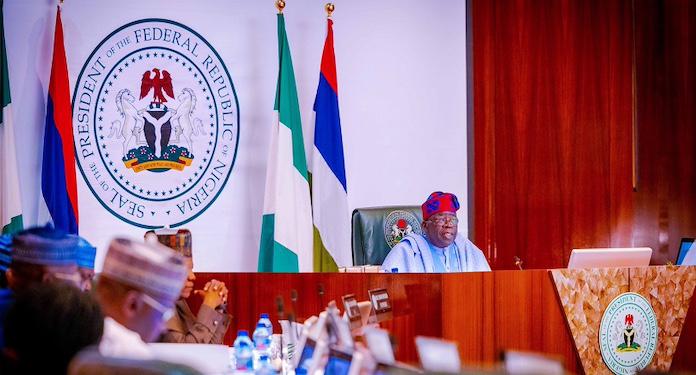
The Federal Government has taken a decisive step to eliminate unauthorized revenue collection on Nigerian highways by banning the use of roadblocks, checkpoints, and road stickers for tax and levy collection across the country. The directive, issued by the Joint Revenue Board (JRB), aims to strengthen tax administration, improve the ease of doing business, and curb harassment of motorists and transporters.
The announcement followed the conclusion of the JRB’s 158th meeting, held on December 9–10, 2025, at the Transcorp Hilton in Abuja. According to the communiqué released at the end of the session, the board has outlawed the collection of road taxes, levies, rates and related charges at checkpoints, whether mounted by state actors or non‑state groups. Early reports today March 3, 2026 stated that formal implementation has began.
The board’s communique emphasized the outright abolition of road stickers and similar instruments that have been used to extract payments from road users. Such practices have long been criticised for contributing to multiple taxation, extortion, and disruptions to commercial transport activities.
“The Board restates its commitment to eradicating the menace of non‑state actors in the nation’s revenue administration value chain,” the JRB said, urging Nigerians to refuse payment of levies at unauthorized checkpoints and to report offenders to the relevant security agencies.
To ensure compliance with the ban, the JRB has called on key security bodies, including the Office of the National Security Adviser (ONSA) and the Nigeria Police Force to dismantle illegal roadblocks erected along major transport corridors and take action against those responsible for unlawful revenue collection.
The ban aligns with the broader 2025 tax reform agenda of the Federal Government, which is introducing new tax laws and revenue administration frameworks intended to modernise Nigeria’s tax system. These reforms emphasise digital payments and structured collection mechanisms, reducing reliance on informal and arbitrary methods.
The JRB also encouraged state governments to fast‑track the passage of the Harmonised Taxes and Levies (Approved List for Collection) Bill into law. This measure is expected to ensure greater uniformity in tax practices nationwide and eliminate overlapping taxes that undermine economic activity.
This article is based on multiple verified reports from Nigerian news outlets.