
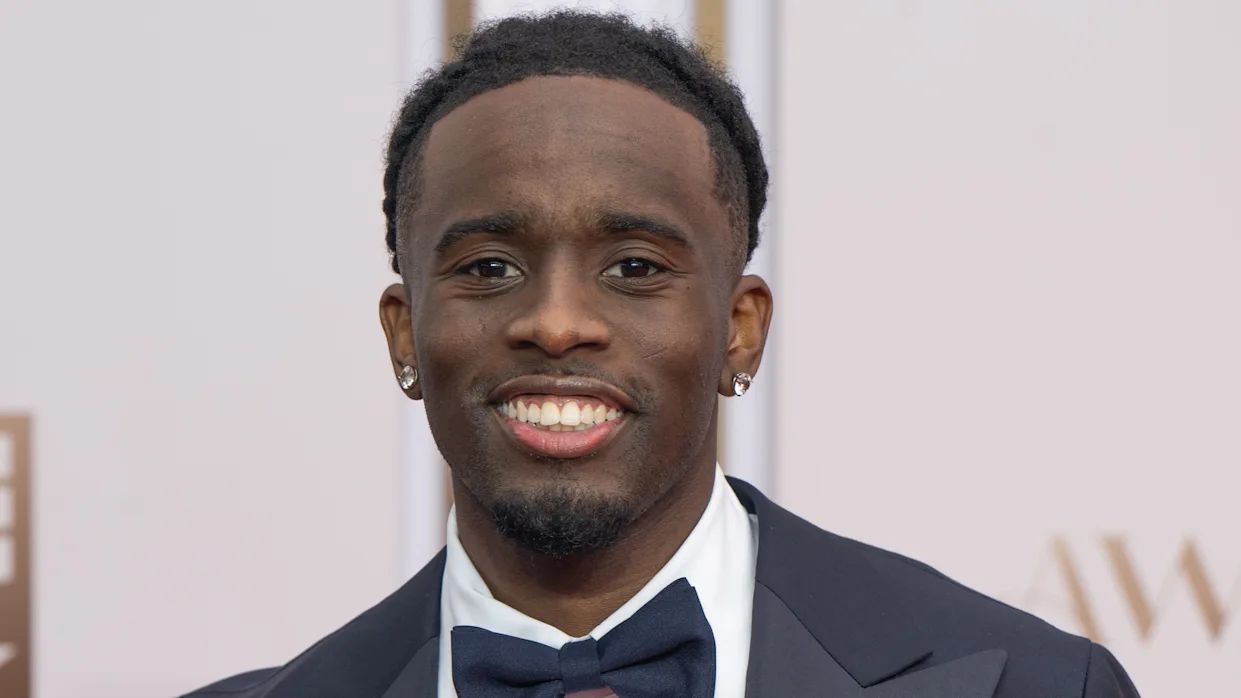
When American streaming superstar Kai Cenat landed in Lagos again in early hours of today, February 4, 2026, it didn’t feel like a typical influencer visit. The buzz around his return wasn’t driven by collaborations or nightlife content; it was tied to a promise that has followed him since his first trip to Nigeria: helping to build a school connected to the Makoko community.
His second visit has reopened a conversation that has been growing for nearly two years one that mixes internet fame, charity promises, community expectations, and the difficult reality of turning online influence into long-term physical infrastructure.
The foundation of this entire story goes back to Kai Cenat’s first trip to Nigeria in 2024. During that visit, he toured parts of Lagos and eventually visited a school and orphanage within Makoko; a waterfront settlement known for its dense population and limited infrastructure.
Images and videos from that visit showed crowded classrooms and buildings struggling with structural limitations. The experience clearly affected him, and shortly afterward he publicly stated that he wanted to help build or significantly upgrade an educational facility that could better serve children in the community.
The announcement quickly spread online. Supporters saw it as an example of global creators using their platform for impact. Critics, however, immediately questioned whether a streamer-driven charity project could realistically deliver something as complex as a full school.
Unlike traditional charity drives backed by large NGOs, Cenat’s funding model came directly from the creator economy. During several high-profile livestream events, including marathon subscription streams known as Mafiathons, he announced that a portion of the revenue would be directed toward the Nigeria school project.
He also spoke about forming a nonprofit structure to manage donations and coordinate the building process. The total value mentioned across various updates has been placed around multi-million-dollar investment levels, although exact audited figures and spending breakdowns have not been publicly released in full detail.
This funding model attracted global attention because it represented a new form of philanthropy, one where fans and digital communities essentially contribute to real-world infrastructure through entertainment.
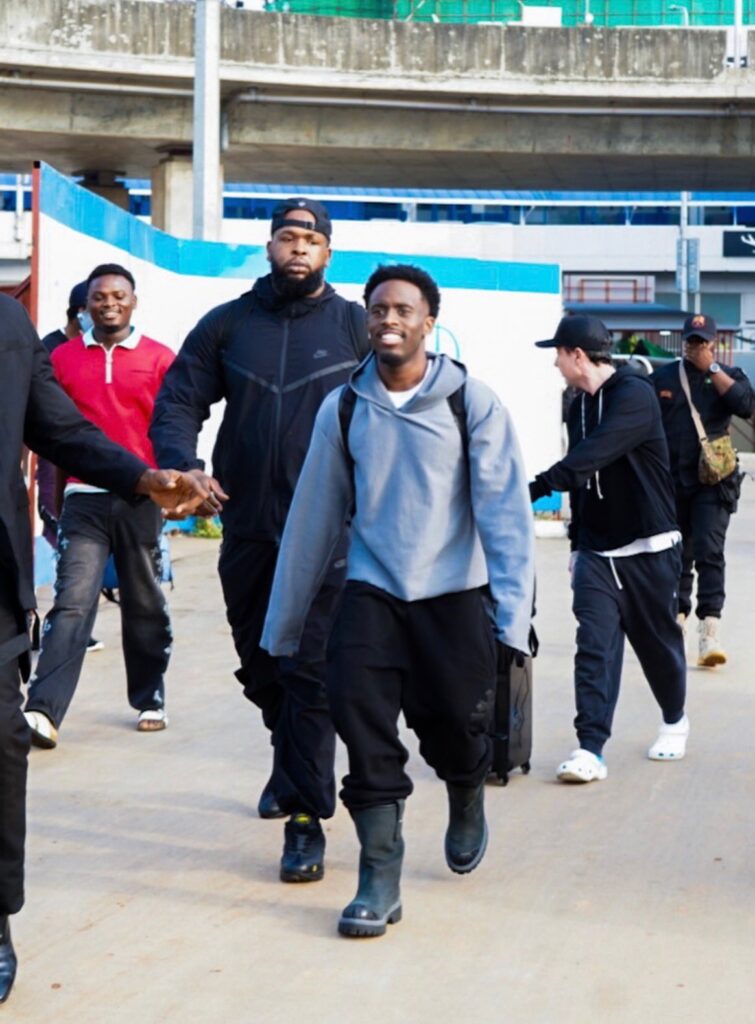
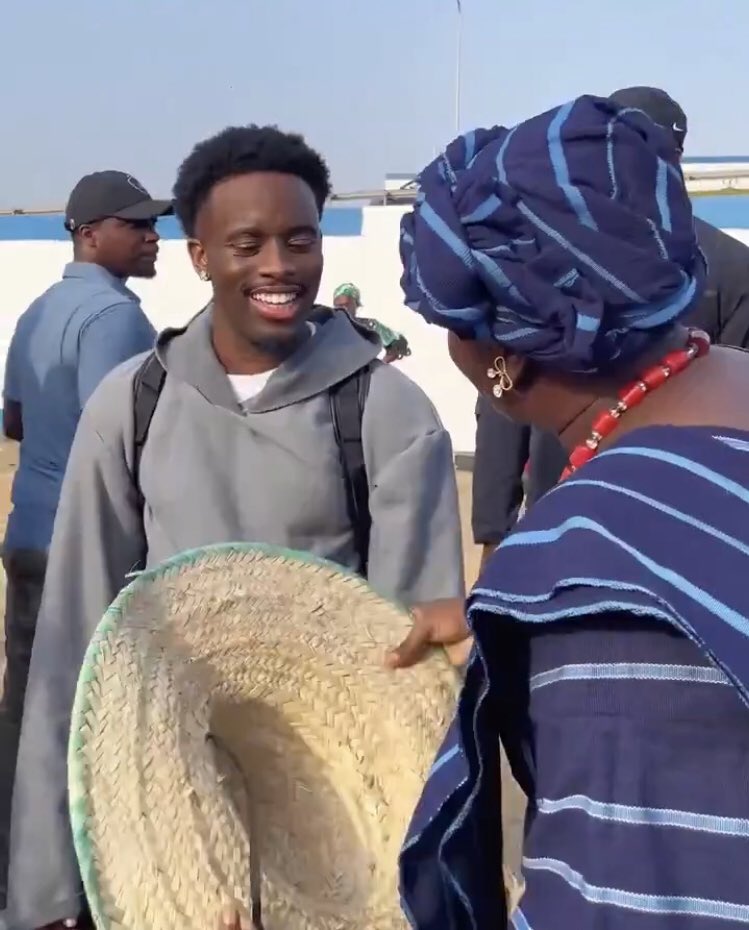
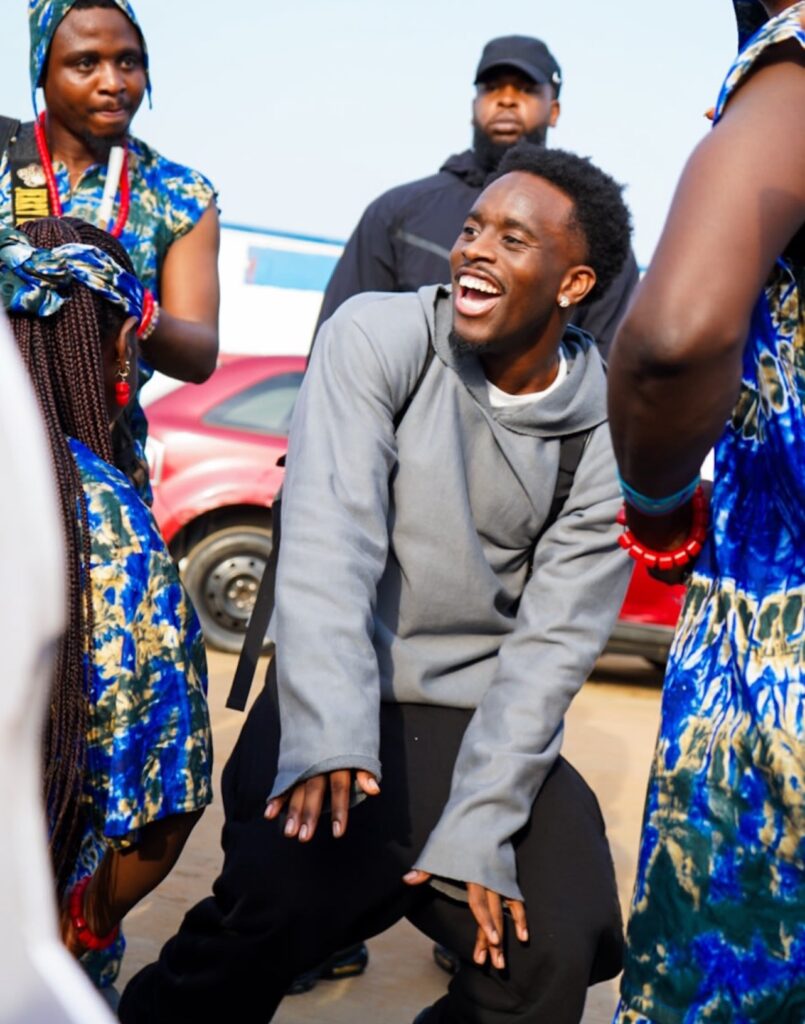
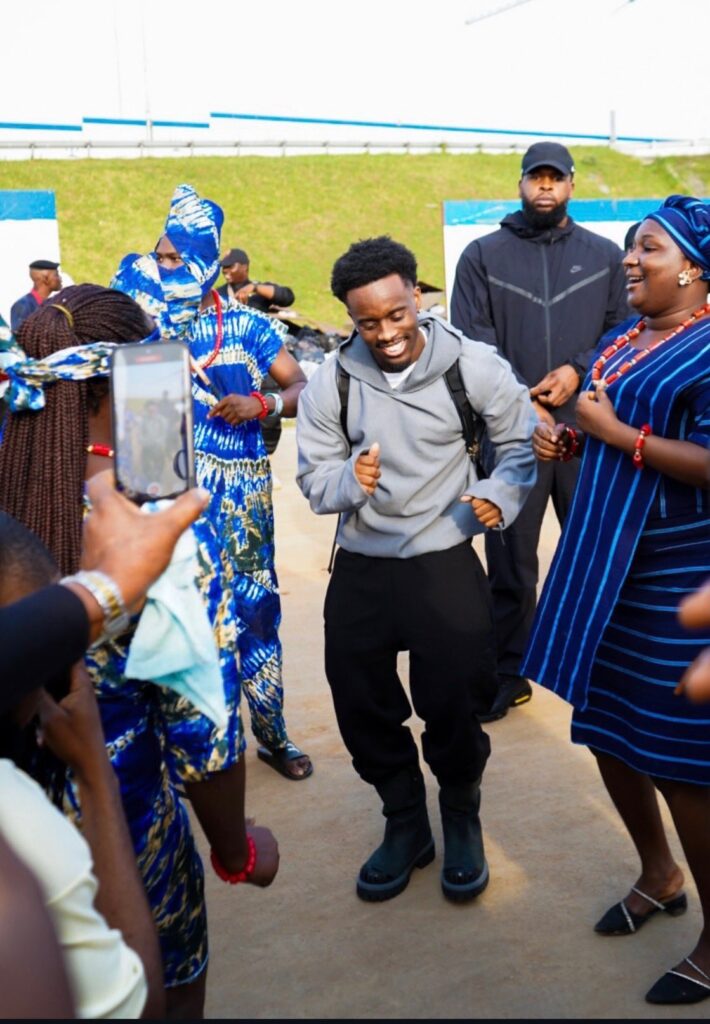
However, it also increased expectations. Once audiences hear large funding numbers attached to a project, they expect visible results and fast.
One of the biggest questions surrounding the Makoko school promise is simple: if millions were raised, why isn’t the school already completed?
Makoko itself presents serious construction complications. Much of the community is built over water, and major infrastructure projects require specialized engineering solutions. Building directly within the area is significantly more complex than constructing on conventional land.
Because of these challenges, discussions reportedly shifted toward building a facility in a nearby area of Lagos where land is more stable while still serving children connected to Makoko.
Beyond location issues, there are also administrative steps that slow projects like this down. Land acquisition, government approvals, regulatory compliance, and long-term sustainability planning all add layers of time. A school is not just a building; it requires teachers, curriculum approval, safety certifications, and operational planning.
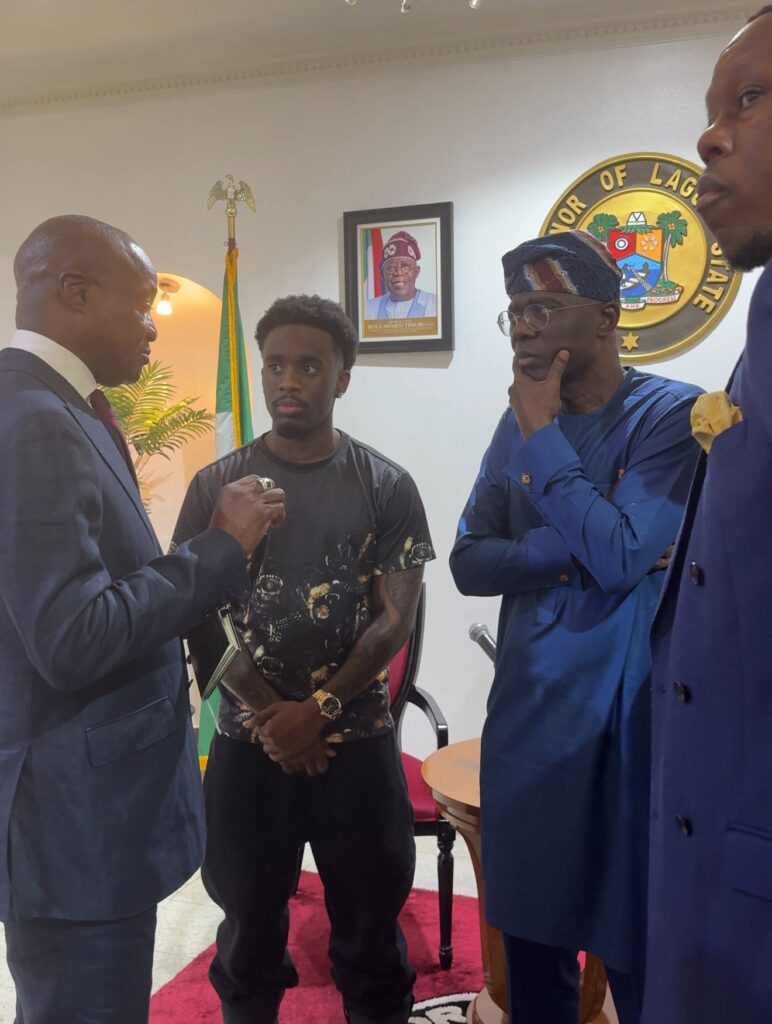
Local reports and circulating footage have suggested that early construction or renovation work began after smaller initial donations. There have also been claims that Cenat supported existing educational facilities with resources such as equipment and technology while larger construction plans were being developed.
However, it is important to state clearly that as of now there is no widely confirmed report of a fully completed, operational school building linked directly to the project. This distinction matters because social media narratives often jump ahead of verified outcomes.
His second visit to Lagos has therefore been interpreted by many observers as an attempt to push the project forward physically and demonstrate progress more visibly.
Supporters argue that regardless of delays, the attention alone has highlighted educational inequality and brought global eyes to a community that rarely receives sustained international focus. They see his efforts as genuine, especially considering that many celebrities make promises without ever returning.
Critics, on the other hand, have grown increasingly vocal. Online discussions frequently ask for clearer updates, transparent financial breakdowns, and physical proof of construction progress. Some community voices have expressed concern that the story has generated more headlines than measurable outcomes.
Kai Cenat’s return to Nigeria carries symbolic weight. Unlike a one-time publicity visit, coming back suggests an ongoing commitment to the project and the country.
More importantly, this return places the spotlight back on the children and communities that were the original focus of the project. The story is no longer just about a streamer; it is about whether a globally publicized education project can actually deliver lasting infrastructure.
The Makoko school initiative is becoming a case study in how digital influence translates into physical change. If successful, it could inspire more creator-led community projects globally.
As of February 2026, the confirmed reality is this: Kai Cenat is back in Lagos for a second visit, and the Makoko school project remains ongoing but incomplete.
This article is based on publicly available reports, creator statements, and verified news coverage as of February 2026. Some details about construction progress, total funding allocation, and final school location remain unclear or unconfirmed publicly. We will update this report as more verified information becomes available.