CJNG Cartel Violence in Mexico Sparks World Cup Security Concerns Ahead of 2026 Tournament

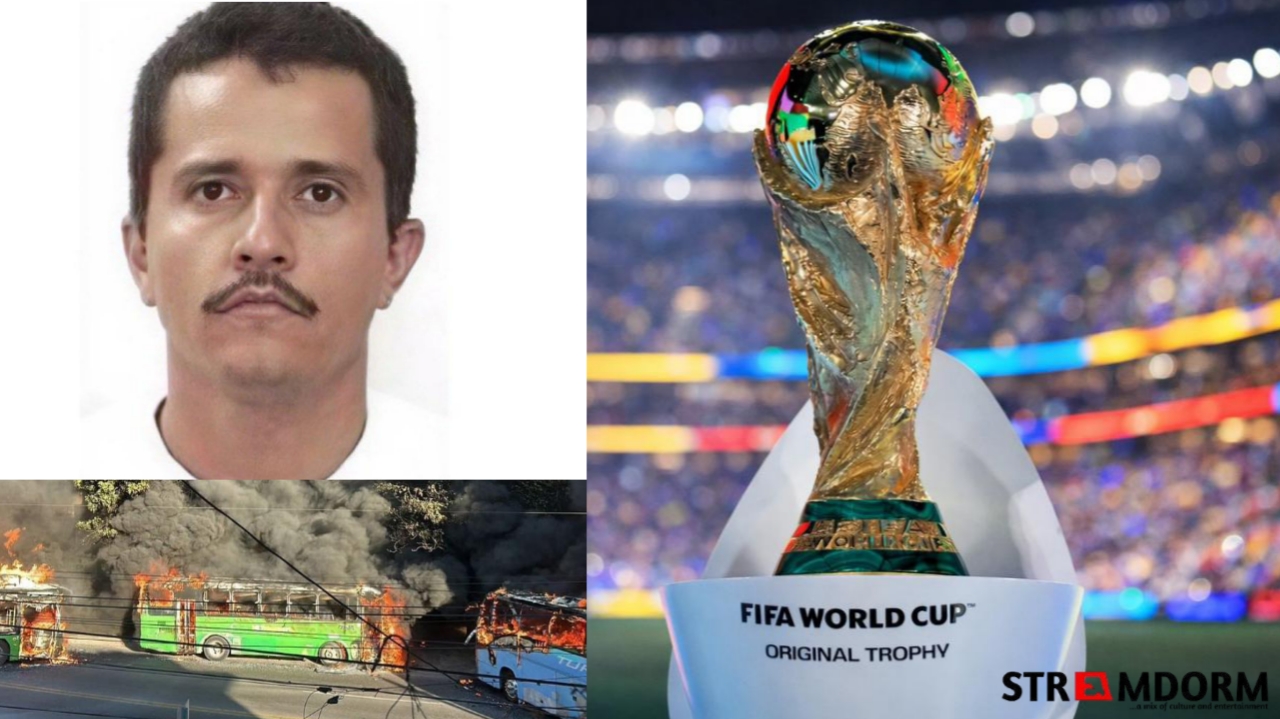
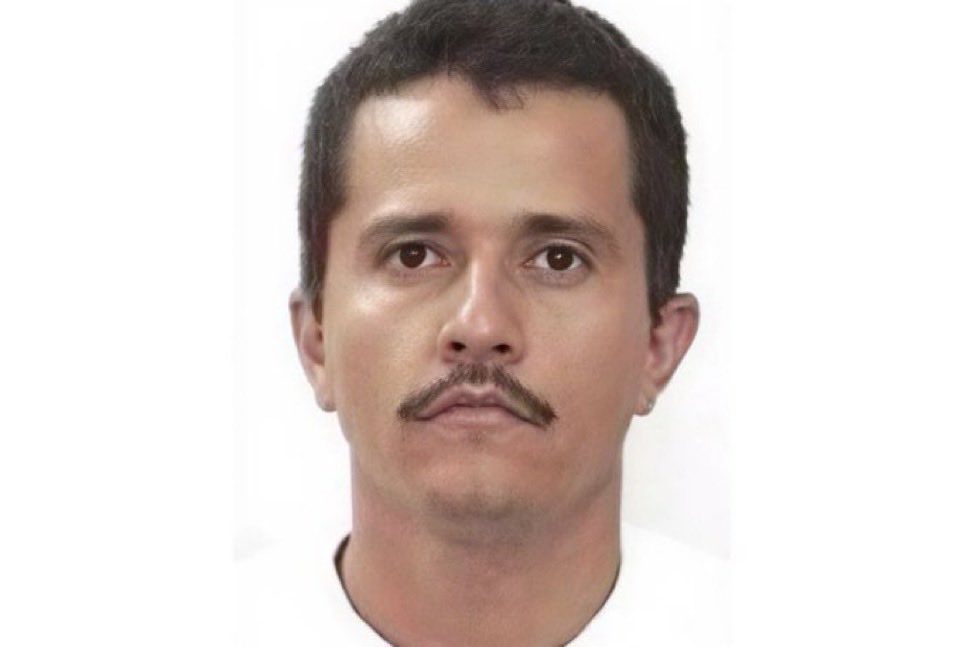
On 22 February 2026, Mexican security forces successfully killed Nemesio “El Mencho” Oseguera, the notorious leader of the Jalisco New Generation Cartel (CJNG), one of the country’s most powerful and dangerous criminal organizations. The operation, while a significant victory for law enforcement, immediately triggered a wave of violent retaliation across several states, drawing global attention just months before the 2026 FIFA World Cup.

The city of Guadalajara, one of Mexico’s main World Cup host cities, experienced some of the most intense unrest. On the night of 22 February and the following days, residents reported blocked roads, burned vehicles, and suspended public transportation as CJNG members clashed with security forces. Airports and highways were temporarily affected, prompting travel advisories from several foreign governments, including the Indian and U.S. embassies, which urged citizens to exercise caution and avoid non-essential travel in affected areas.

The 2026 FIFA World Cup, co-hosted by Mexico, the United States, and Canada, is scheduled to begin in June. Guadalajara is slated to host several group-stage matches, which makes the recent unrest a matter of significant concern for both fans and organizers. Despite the chaos following 22 February, FIFA and Mexican authorities have not canceled or relocated any matches.

The immediate effects of the unrest were felt in Mexican football. On 23–24 February 2026, several Liga MX and lower-division matches near Guadalajara were postponed or canceled due to safety concerns. These disruptions highlight the unpredictable consequences of sudden escalations in violence and why authorities are taking every precaution ahead of the World Cup.
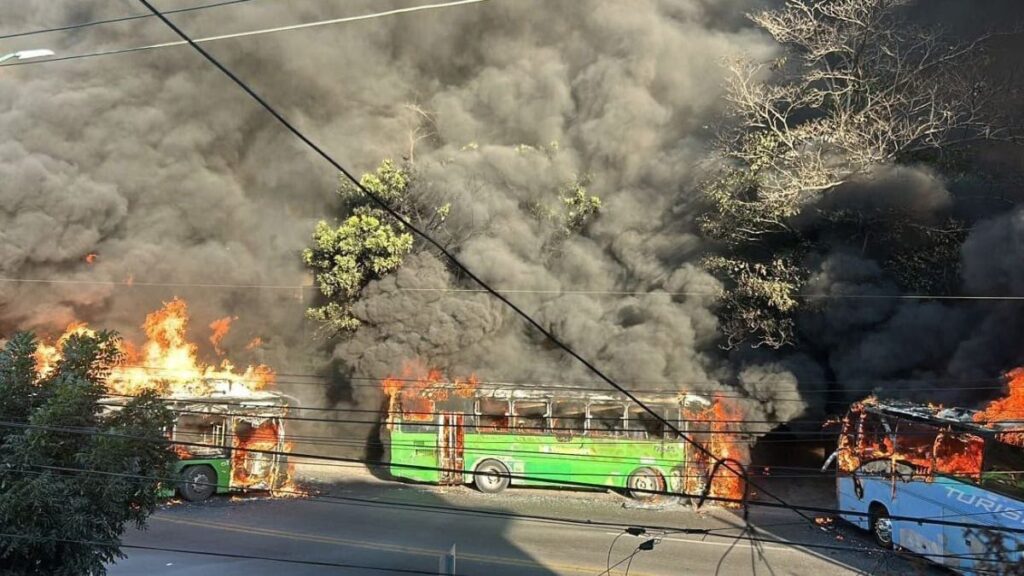
Although these local cancellations are limited in scope, they demonstrate the challenges organizers face when hosting international events in regions affected by organized crime.

Mexican authorities have emphasized that the operation against El Mencho aims to restore public safety and dismantle organized crime networks. Security forces continue to patrol major cities and key transportation routes, while the federal government reassures residents and visitors of ongoing efforts to maintain order.
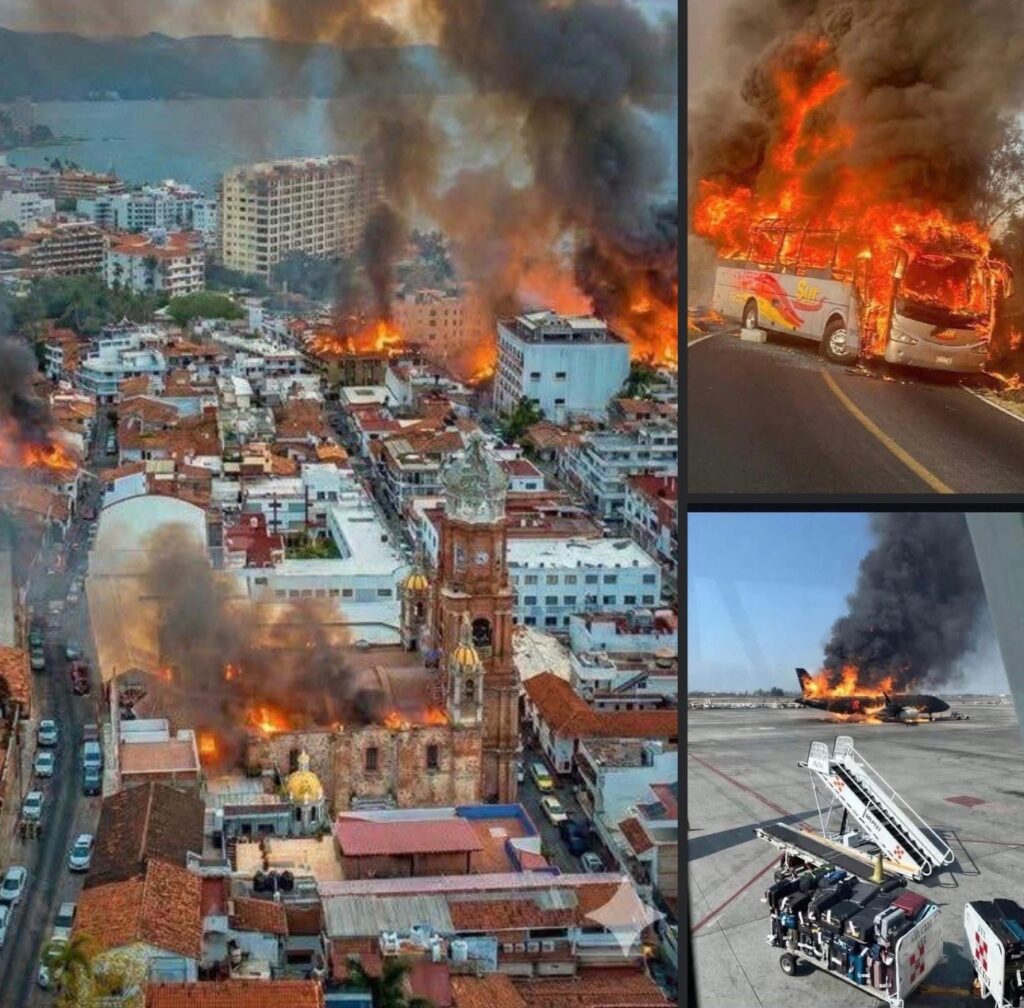
International governments have issued guidance to travelers and their citizens in the country, advising caution in areas affected by cartel retaliation. These advisories, while precautionary, reflect the global attention drawn to Mexico’s security situation ahead of the World Cup.

The CJNG has long been a formidable network, and the sudden elimination of its leader can create power vacuums, triggering temporary insecurity in affected regions. The events of 22 February 2026 and the days following serve as a reminder of how crime, governance, and international events intersect on a global stage.

While the recent unrest has raised legitimate concerns, it is important to note that the 2026 FIFA World Cup remains on schedule in Mexico, with heightened security and ongoing monitoring to ensure that fans, players, and visitors can safely enjoy the tournament unless later updates report otherwise.
Full List of Host Cities and Stadiums Confirmed for the 2026 FIFA World Cup as Tournament Expands to 104 Matches

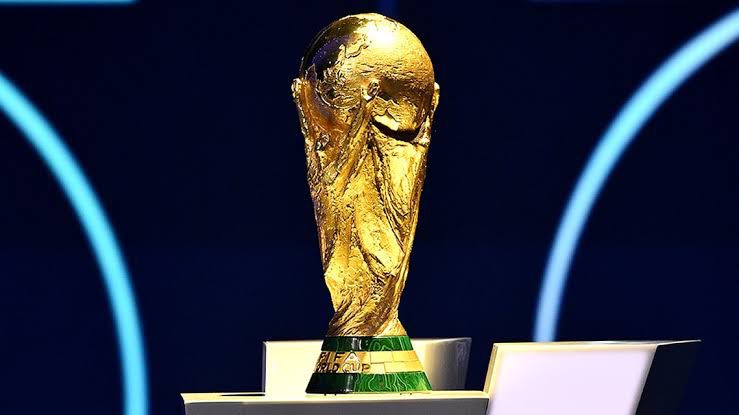
Global football is heading into uncharted territory as FIFA confirms the complete list of host cities and stadiums for the 2026 FIFA World Cup; the biggest edition in the tournament’s history. Scheduled to run from June 11 to July 19, 2026, the competition will feature 48 teams and 104 matches across 16 cities in the United States, Mexico, and Canada.

This marks the first time the men’s World Cup will be co-hosted by three nations and the first edition to operate under FIFA’s expanded format, a move designed to broaden global participation and increase competitive opportunities across continents.

The 2026 tournament represents a significant shift in how international football’s biggest event is staged. The expansion from 32 to 48 teams brings more nations into the spotlight, increases match volume, and extends the tournament calendar. North America’s modern infrastructure, commercial appeal, and football growth make it the ideal stage for such a large-scale evolution.

The opening match will take place in Mexico City, while the final is scheduled for the New York/New Jersey metropolitan area;  two venues that symbolize both the sport’s history and its expanding global future.

United States Host Cities and Stadiums

The United States will host the majority of matches across 11 venues:

  • New York/New Jersey: MetLife Stadium (New York New Jersey Stadium)
  • Los Angeles: SoFi Stadium (Los Angeles Stadium)
  • Dallas: AT&T Stadium (Dallas Stadium)
  • Atlanta:  Mercedes-Benz Stadium (Atlanta Stadium)
  • Kansas City: GEHA Field at Arrowhead Stadium (Kansas City Stadium)
  • Houston: NRG Stadium (Houston Stadium)
  • Philadelphia: Lincoln Financial Field (Philadelphia Stadium)
  • Seattle: Lumen Field (Seattle Stadium)
  • San Francisco Bay Area:  Levi’s Stadium (San Francisco Bay Area Stadium)
  • Miami: Hard Rock Stadium (Miami Stadium)
  • Boston: Gillette Stadium (Boston Stadium)

Mexico Host Cities and Stadiums

Mexico continues its long-standing World Cup tradition with three host venues:

  • Mexico City: Estadio Azteca (Mexico City Stadium)
  • Guadalajara: Estadio Akron (Guadalajara Stadium)
  • Monterrey: Estadio BBVA (Monterrey Stadium)

Canada Host Cities and Stadiums

Canada will make its men’s FIFA World Cup hosting debut with two cities:

  • Toronto: BMO Field (Toronto Stadium)
  • Vancouver: BC Place (Vancouver Stadium)

With more teams and a record-breaking match schedule, the 2026 FIFA World Cup is set to deliver an unprecedented level of access and entertainment for fans worldwide. The larger format offers increased opportunities for emerging football nations while ensuring more games across a wider geographical region.

As qualification campaigns continue around the world, attention will increasingly turn toward the 16 confirmed host cities preparing to welcome millions of fans for a tournament that could redefine the modern World Cup experience.

Alex Iwobi Speaks on Nigeria’s World Cup Hopes as Super Eagles Await FIFA Decision

Alex Iwobi Says Super Eagles Still Believe in World Cup Chance

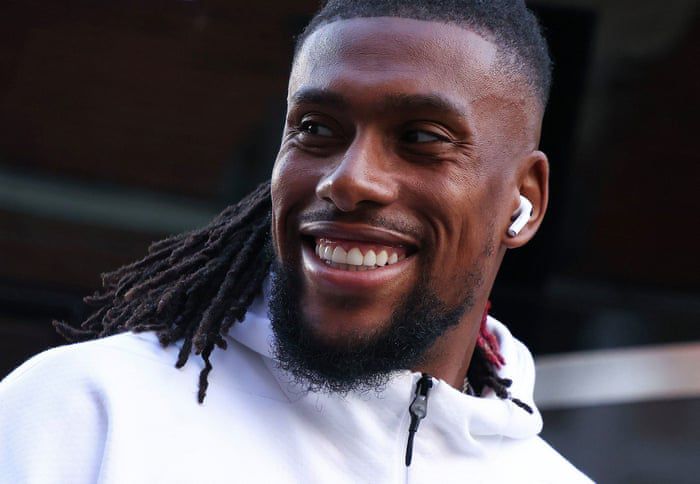
Super Eagles midfielder Alex Iwobi has expressed cautious optimism about Nigeria’s chances of still featuring at the 2026 FIFA World Cup, despite the team’s setback in the qualification playoffs.

Nigeria’s journey toward the expanded 48-team tournament suffered a major blow after a decisive playoff defeat that left the Super Eagles without an automatic path to qualification. However, Alex Iwobi has revealed that the squad remains hopeful while awaiting the outcome of an official petition filed by the Nigeria Football Federation (NFF) to FIFA.

Speaking recently, the Fulham midfielder emphasized that the players are “still waiting” and holding on to belief as football authorities review the disputed match circumstances.

The Super Eagles’ qualification campaign reached a turning point during the intercontinental playoff stage, where Nigeria failed to secure a winning result that would have guaranteed a place at the 2026 World Cup.

The loss effectively ended Nigeria’s chances through direct sporting qualification, placing the nation’s hopes on an off-field review process instead. For many fans, the outcome marked another frustrating moment after the team also missed out on the 2022 World Cup.

Following the playoff defeat, the Nigeria Football Federation submitted a formal complaint to FIFA questioning the eligibility of certain opposition players involved in the match.

While details surrounding the case remain under review, the NFF’s petition argues that regulatory breaches could have influenced the result. If FIFA rules in Nigeria’s favour, disciplinary measures could potentially impact the official outcome of the playoff; though such decisions are historically rare and remain uncertain.

Alex Iwobi’s recent comments reflect this uncertainty, highlighting that the squad is maintaining focus while waiting for FIFA’s final verdict.

At present, Nigeria has not secured a confirmed spot at the 2026 FIFA World Cup. The Super Eagles’ participation now depends entirely on FIFA’s ongoing investigation and any subsequent rulings.

Football governing bodies typically take time to examine eligibility disputes, meaning a final decision may not be immediate. Until then, Nigeria’s hopes remain unresolved; suspended between disappointment on the pitch and cautious optimism off it.

Despite the uncertainty, many Nigerian fans continue to support the team’s pursuit of justice through official channels. Iwobi’s public comments have helped maintain belief among supporters who are eager to see the Super Eagles return to football’s biggest stage.

Whether Nigeria ultimately earns a place at the tournament will depend on FIFA’s ruling, which remains pending as of now.

Watch Video


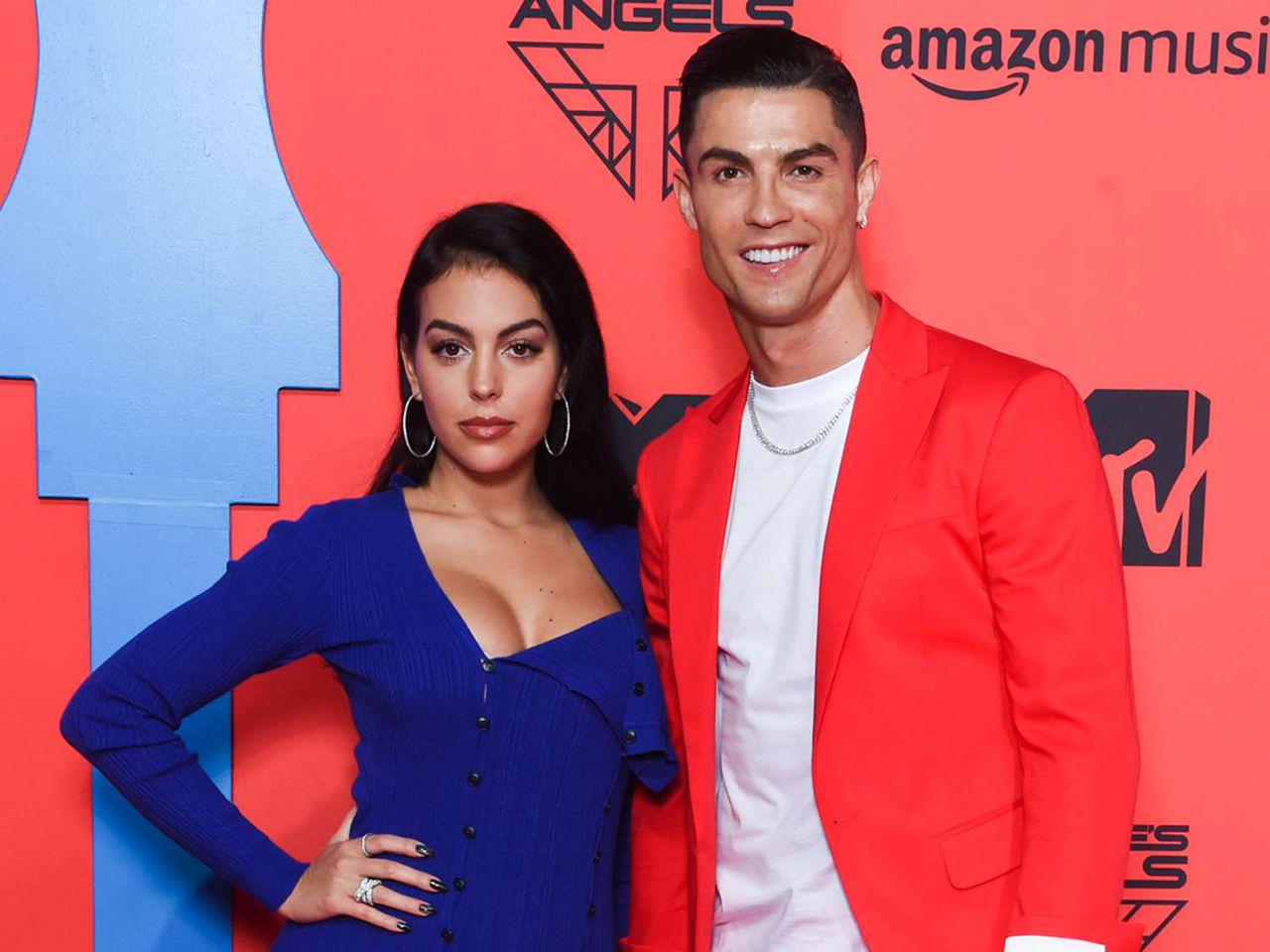
Cristiano Ronaldo and Georgina Rodríguez: Wedding After the 2026 World Cup?

Cristiano Ronaldo, one of football’s biggest icons, and Georgina Rodríguez, his longtime partner, are making headlines again and this time, it’s about marriage. Fans have been speculating for months, and now multiple reports suggest the couple plans to get married after the 2026 FIFA World Cup.

Ronaldo and Georgina made their engagement official in August 2025. Georgina shared a photo of her sparkling engagement ring on social media, writing, “Yes I do. In this and in all my lives.”

The announcement instantly went viral, with fans and media celebrating the news. It confirmed a relationship that has lasted nearly nine years, making it one of football’s most high-profile romances.

Reports suggest the couple wants to focus on Ronaldo’s World Cup 2026 campaign first. 

Portuguese outlets have even hinted at a Madeira wedding, Ronaldo’s hometown, possibly at a cathedral with celebrations at nearby luxury venues. It is important to note that the couple have not publicly confirmed a date or venue yet. Everything about the wedding location is based on press reports.

Ronaldo and Georgina are one of football’s most-followed couples who have been together since 2016, they share a family and frequent public appearances.

FIFA and TikTok Sign Record Deal to Bring World Cup 2026 Content to the App

For the first time in history, FIFA has partnered with TikTok to bring official World Cup 2026 content directly to fans on a social media platform. The landmark deal, which names TikTok as FIFA’s first-ever Preferred Platform for video content, promises a mix of live match clips, highlights, behind the scenes access, and interactive fan features.

This move signals a major shift in how football fans engage with the world’s biggest sporting event, blending traditional broadcasting with digital-first experiences tailored for mobile and social audiences.

What the FIFA-TikTok Deal Means

The agreement between FIFA and TikTok is designed to expand the reach of the World Cup to millions of digital-native fans around the world. Here’s what the deal offers:

  • Live Match Clips: TikTok will stream segments of official matches via a dedicated World Cup hub inside the app. Fans can catch real-time action without waiting for TV highlights.
  • Curated Highlights: Quick, shareable clips of goals, saves, and major moments will be easily accessible.
  • Behind-the-Scenes Access: Selected TikTok creators will provide coverage of press conferences, training sessions, and exclusive off-field content.
  • Interactive Features: Stickers, filters, and fan challenges will make following the tournament more engaging than ever.

Note: TikTok will not broadcast full 90-minute matches. Traditional TV and official streaming partners retain full-match rights.

The TikTok World Cup Hub: Your New Digital Stadium

Central to this deal is the FIFA World Cup 2026 hub on TikTok, which serves as a one-stop destination for fans:

  • Live match segments and highlights
  • Match schedules and updates
  • Official FIFA creator content
  • Fan engagement tools and interactive features

This hub transforms TikTok into a digital stadium, giving fans a unique way to stay connected with the World Cup in real time.

Fans will now be able to experience World Cup 2026 content in ways never possible before. With live clips, highlights, exclusive behind-the-scenes moments, and interactive features all available on TikTok, FIFA is bridging the gap between traditional broadcasting and the digital-first generation.

While TikTok does not replace full-match coverage, this record deal marks a historic shift in football media  and could redefine how fans engage with the World Cup forever.

Scroll to Top