
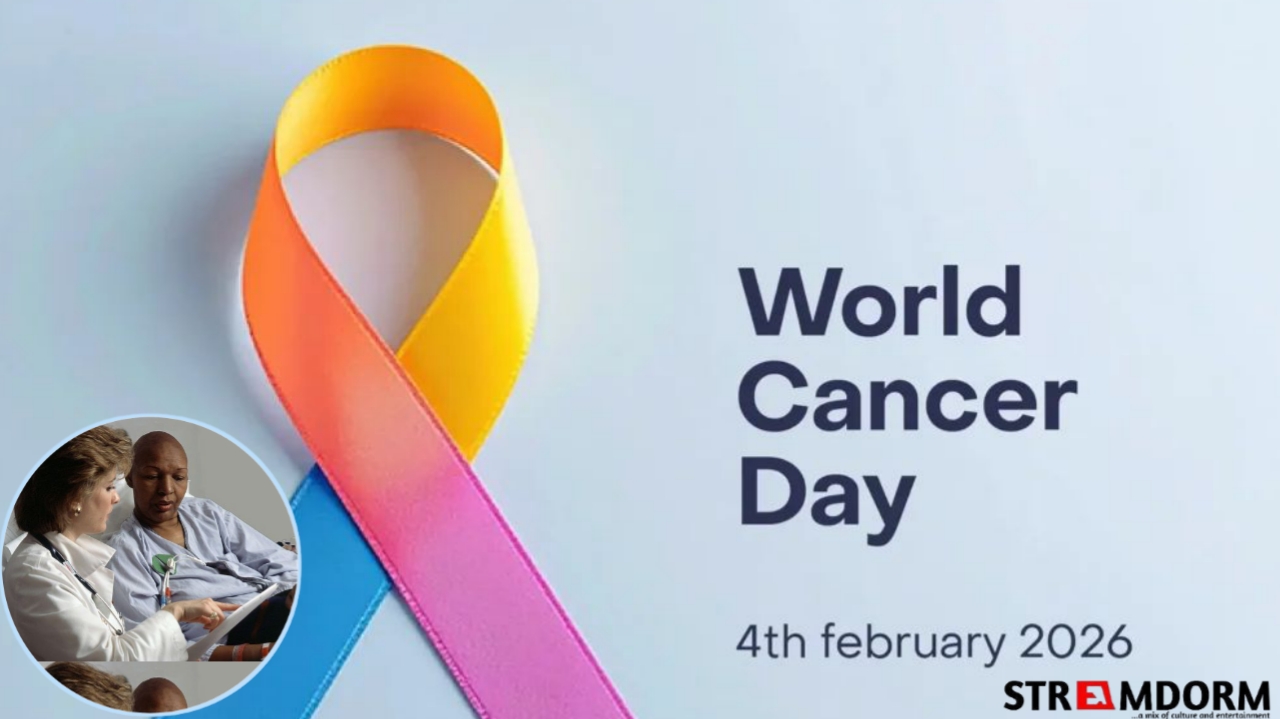
Every year on February 4, the world observes World Cancer Day. Beyond its medical significance, the day serves as a quiet but powerful reminder that health is not something we check on only when things go wrong. It is shaped gradually, through everyday routines, habits, and choices we often overlook.
Cancer remains one of the most pressing global health challenges of our time, affecting millions of people across different ages, regions, and backgrounds. Yet World Cancer Day is not designed to spread fear. Its purpose is to encourage awareness, early action, and a deeper understanding of how lifestyle and prevention intersect.
World Cancer Day was established in 2000 to unite individuals, communities, and institutions around a shared goal: reducing the global burden of cancer. Over the years, it has evolved from a purely health-focused observance into a broader cultural moment that challenges people to think more intentionally about how they live, care for their bodies, and support others navigating the disease.
At the heart of the conversation is lifestyle. While not all cancers can be prevented, medical research consistently points to the influence of daily habits on long-term health outcomes. What we eat, how often we move, how we manage stress, and whether we seek medical care early all play meaningful roles.
Nutrition, for instance, is less about strict rules and more about consistency. Diets rich in whole foods such as fruits, vegetables, legumes, and whole grains help support the body’s natural defense systems. Making simple adjustments, like choosing fresh meals more often or reducing heavily processed foods, can gradually improve overall wellbeing without the pressure of perfection.
Physical activity follows a similar principle. Movement does not need to be intense or complicated to be effective. Regular walking, stretching, or light exercise supports healthy weight, improves circulation, and boosts mental clarity. Even small amounts of daily activity can have a cumulative impact over time.
Another key lifestyle factor remains tobacco use. Smoking continues to be one of the most significant contributors to cancer risk globally. Avoiding tobacco entirely, or quitting where possible, remains one of the most powerful health decisions an individual can make. In the same way, being mindful of alcohol consumption can also reduce long-term risk, especially when moderation becomes a consistent habit rather than an occasional thought.
Skin health is another often overlooked aspect of cancer prevention. Daily sun protection, including the use of sunscreen and limiting excessive exposure, helps reduce the risk of skin cancer. These are small routines, but their effects add up over years.
Beyond prevention, World Cancer Day places strong emphasis on early detection. Many people delay routine checkups or screenings due to fear, cost, or busy schedules. However, early diagnosis remains one of the most effective ways to improve treatment outcomes. Choosing to prioritise regular health checks is not an act of anxiety, but one of responsibility and self-awareness.
Mental and emotional wellbeing also form a crucial part of the conversation. Chronic stress, sleep deprivation, and emotional burnout can weaken the body’s resilience over time. World Cancer Day highlights the importance of rest, emotional support, and community as essential components of a healthy life, not optional extras.
For younger people especially, the message is clear. Cancer awareness is not something to think about later in life. The habits formed in early adulthood often shape health outcomes decades down the line. World Cancer Day encourages proactive living, rooted in knowledge rather than fear.
Ultimately, World Cancer Day is not only about cancer. It is about how we live, how we care for ourselves, and how we look out for one another. It reminds us that health is built quietly, through ordinary decisions made consistently over time.
As the world marks February 4, the message remains simple and lasting: living well today is one of the most meaningful investments we can make in our future.
Disclaimer
This article is for informational purposes only and does not replace professional medical advice. Always consult a qualified healthcare professional for health-related decisions.