
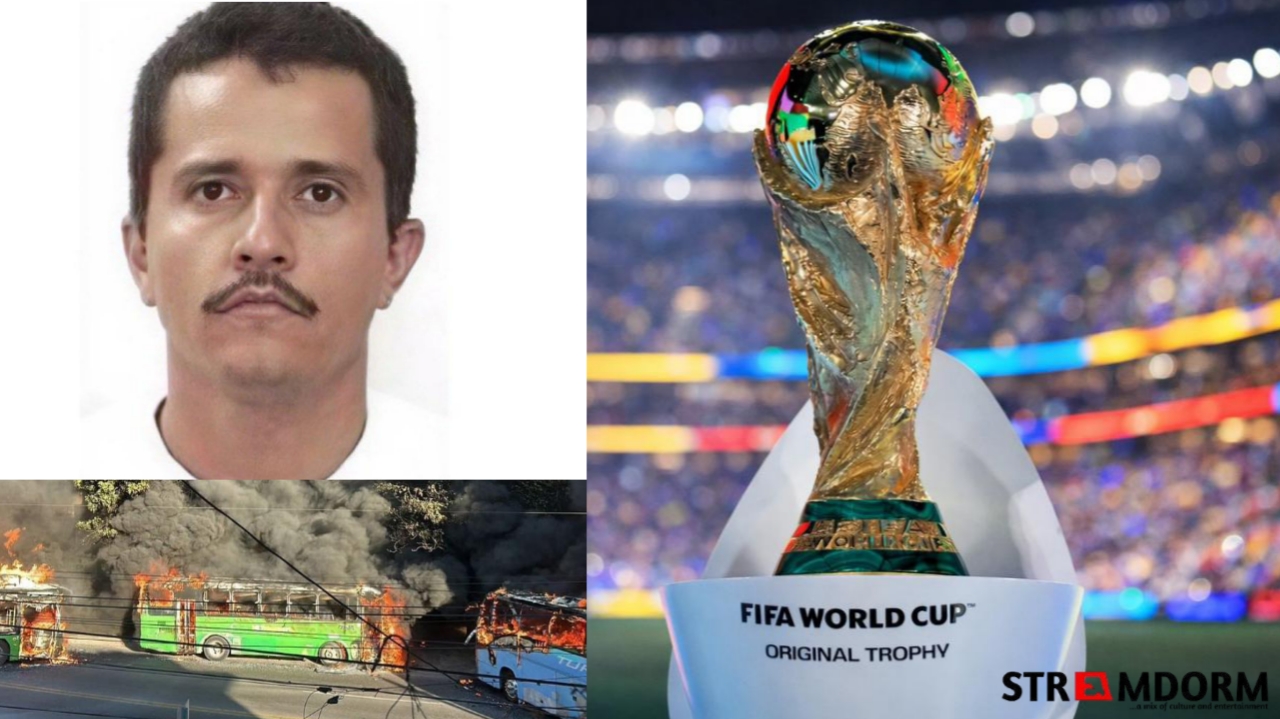
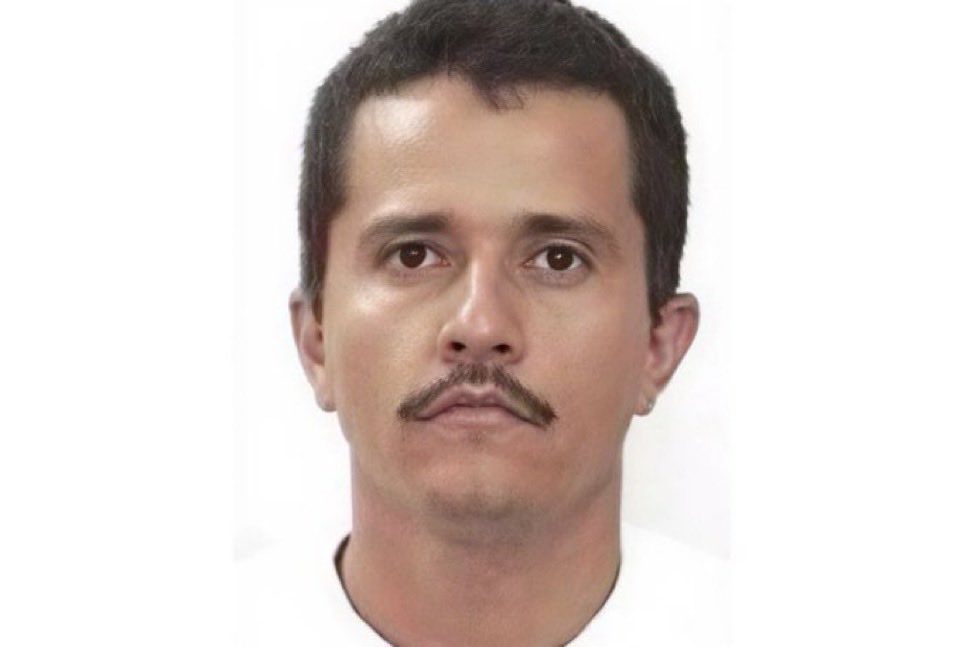
On 22 February 2026, Mexican security forces successfully killed Nemesio “El Mencho” Oseguera, the notorious leader of the Jalisco New Generation Cartel (CJNG), one of the country’s most powerful and dangerous criminal organizations. The operation, while a significant victory for law enforcement, immediately triggered a wave of violent retaliation across several states, drawing global attention just months before the 2026 FIFA World Cup.
The city of Guadalajara, one of Mexico’s main World Cup host cities, experienced some of the most intense unrest. On the night of 22 February and the following days, residents reported blocked roads, burned vehicles, and suspended public transportation as CJNG members clashed with security forces. Airports and highways were temporarily affected, prompting travel advisories from several foreign governments, including the Indian and U.S. embassies, which urged citizens to exercise caution and avoid non-essential travel in affected areas.
The 2026 FIFA World Cup, co-hosted by Mexico, the United States, and Canada, is scheduled to begin in June. Guadalajara is slated to host several group-stage matches, which makes the recent unrest a matter of significant concern for both fans and organizers. Despite the chaos following 22 February, FIFA and Mexican authorities have not canceled or relocated any matches.
The immediate effects of the unrest were felt in Mexican football. On 23–24 February 2026, several Liga MX and lower-division matches near Guadalajara were postponed or canceled due to safety concerns. These disruptions highlight the unpredictable consequences of sudden escalations in violence and why authorities are taking every precaution ahead of the World Cup.
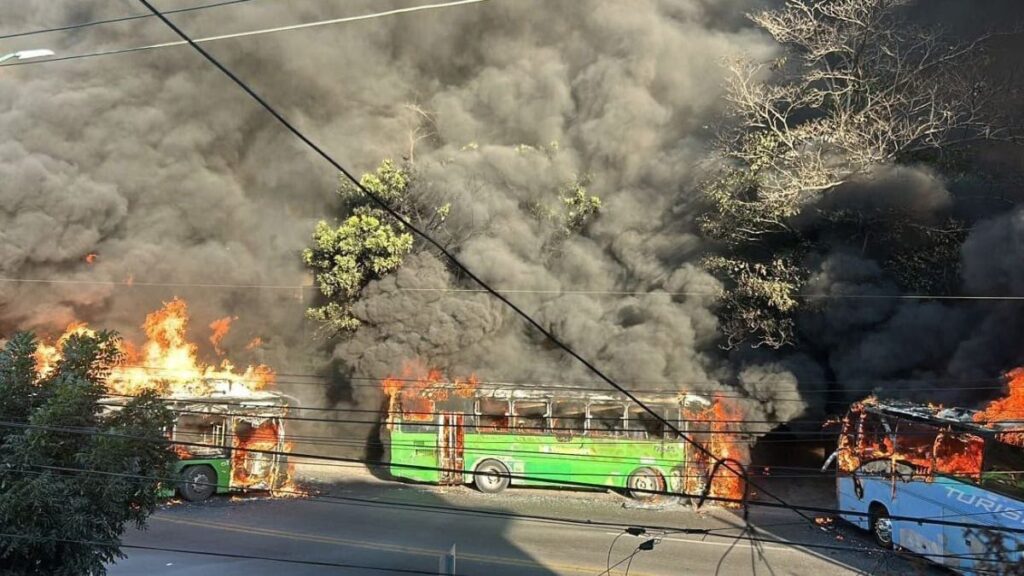
Although these local cancellations are limited in scope, they demonstrate the challenges organizers face when hosting international events in regions affected by organized crime.
Mexican authorities have emphasized that the operation against El Mencho aims to restore public safety and dismantle organized crime networks. Security forces continue to patrol major cities and key transportation routes, while the federal government reassures residents and visitors of ongoing efforts to maintain order.
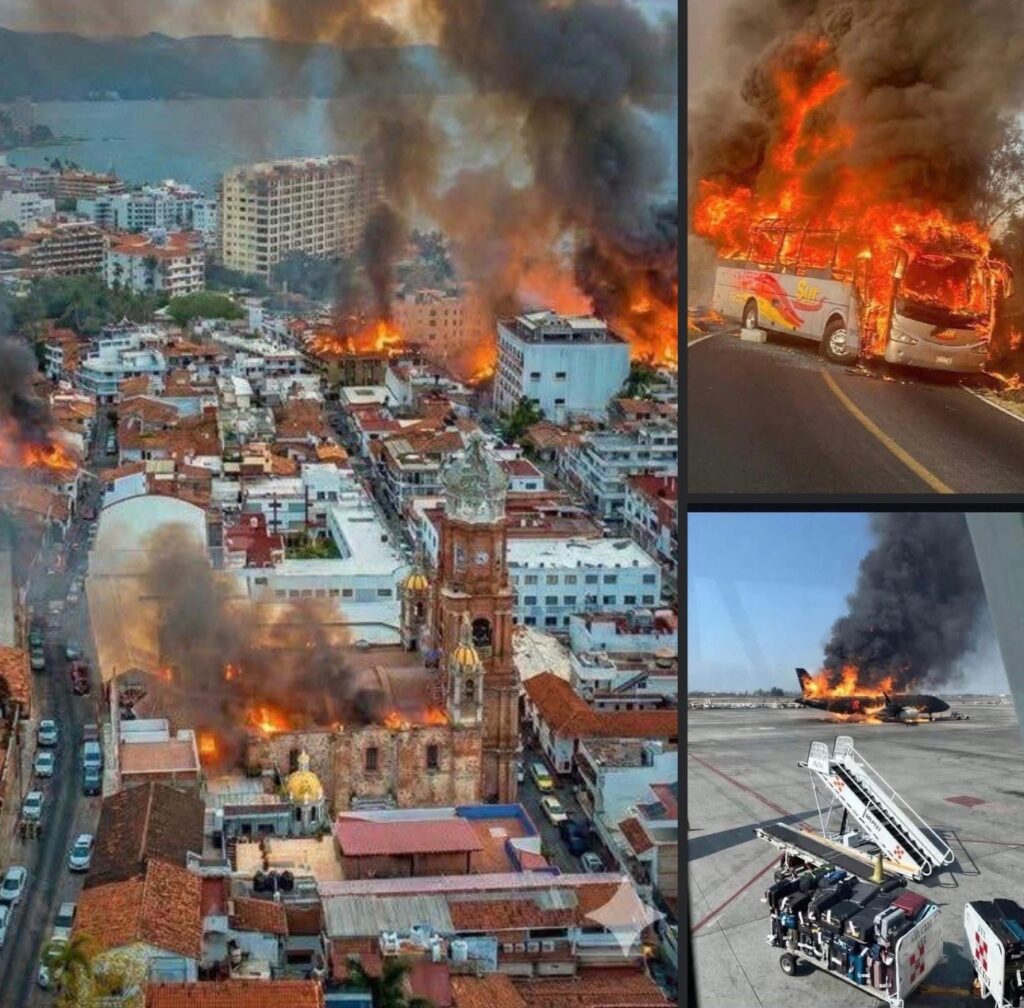
International governments have issued guidance to travelers and their citizens in the country, advising caution in areas affected by cartel retaliation. These advisories, while precautionary, reflect the global attention drawn to Mexico’s security situation ahead of the World Cup.
The CJNG has long been a formidable network, and the sudden elimination of its leader can create power vacuums, triggering temporary insecurity in affected regions. The events of 22 February 2026 and the days following serve as a reminder of how crime, governance, and international events intersect on a global stage.
While the recent unrest has raised legitimate concerns, it is important to note that the 2026 FIFA World Cup remains on schedule in Mexico, with heightened security and ongoing monitoring to ensure that fans, players, and visitors can safely enjoy the tournament unless later updates report otherwise.