
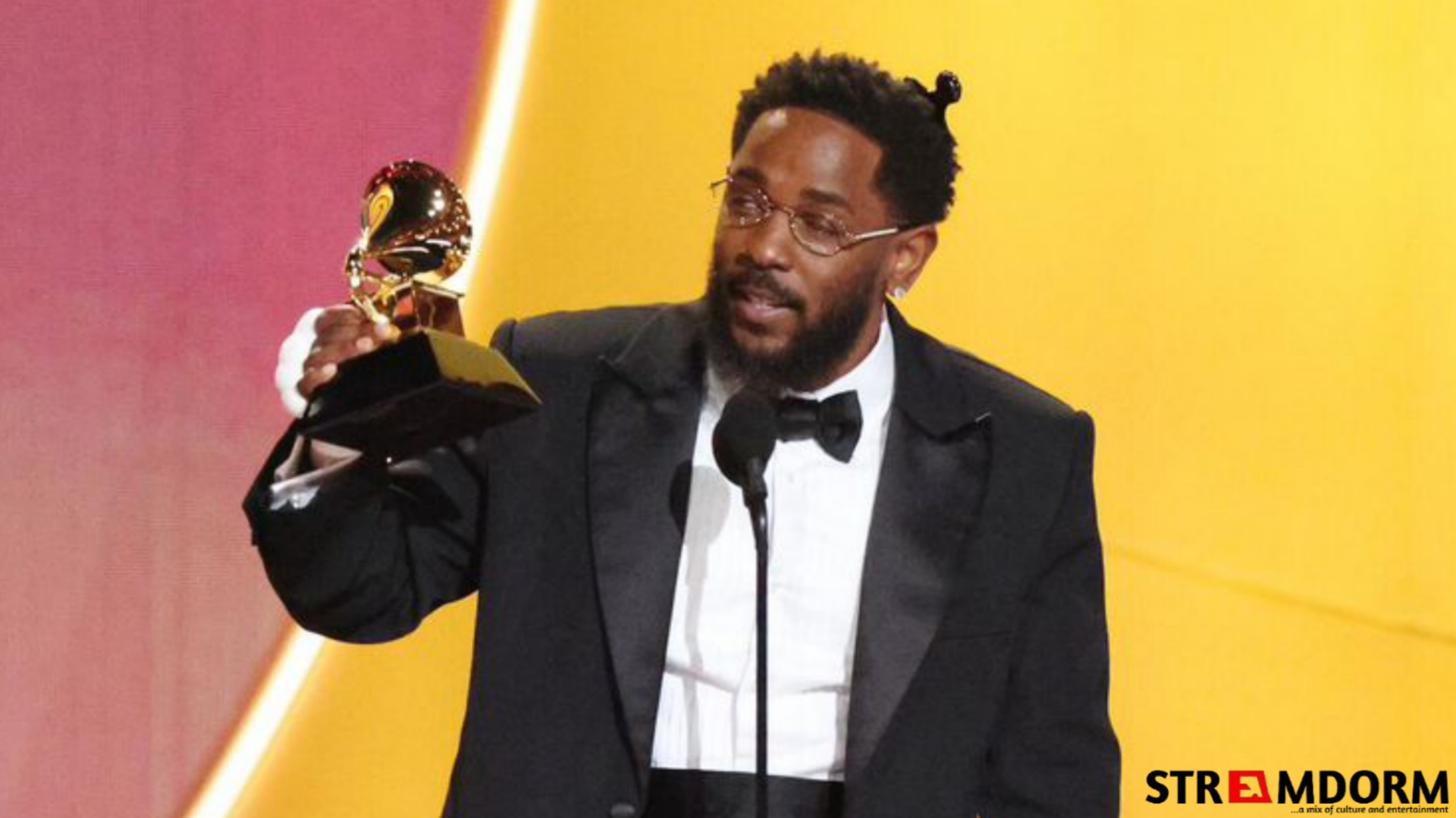
Hip-hop history was rewritten at the 68th Grammy Awards as Kendrick Lamar officially became the most awarded rapper in Grammy history, surpassing the long-standing record previously held by Jay-Z.
With multiple wins on the night, Kendrick Lamar pushed his career Grammy total to 27, moving him ahead of Jay-Z’s 25 and placing him alone at the top of rap’s all-time Grammy leaderboard. It is a landmark moment not just for Lamar, but for the genre itself.
The achievement capped off a dominant Grammy night for the Compton rapper, whose latest body of work GNX and its standout records continued his tradition of critical acclaim and industry recognition.
His wins on the night included:
- Best Rap Album for GNX
- Record of the Year for “Luther” (with SZA)
- Best Rap Song for TV Off
- Best Melodic Rap Performance for “Luther”
- Best Rap Performance for his feature on Chains & Whips by Clipse
Jay-Z’s record had stood for years as a symbol of longevity, influence, and commercial power in hip-hop. Kendrick Lamar surpassing it represents something slightly different: a career built on concept-driven albums, social commentary, and a willingness to challenge both the audience and the industry. From good kid, m.A.A.d city through To Pimp a Butterfly, DAMN., and now GNX, Lamar has consistently treated rap as literature, protest, and personal reflection.
His rise to the top of the Grammy record books also signals how the Academy’s relationship with hip-hop has evolved. Once marginalized to a single televised category, rap is now regularly recognized across major fields, including general categories traditionally dominated by pop and rock. His repeated success in these spaces underscores that shift.
At 38, Kendrick Lamar is still very much in his creative prime. That reality makes the record even more significant. Unlike many historical milestones that mark the end of an era, this one feels ongoing. There is every indication that his total could grow further, especially as his work continues to balance cultural relevance with critical respect.
Importantly, Lamar’s achievement does not diminish Jay-Z’s legacy. Instead, it highlights a generational continuum in hip-hop from Jay-Z’s era of mogul rap and mainstream dominance to Kendrick Lamar’s era of introspection, narrative depth, and cultural critique. Both represent different peaks of the same mountain.
For fans, critics, and the industry alike, this moment stands as a reminder of what sustained artistic vision can achieve. In a genre defined by reinvention and competition, Kendrick Lamar has carved out a lane that rewards patience, substance, and intention.