
Power has always been one of cinema’s most compelling subjects because it mirrors real life. Whether expressed through political authority, criminal dominance, financial control, or moral influence, films about power often reveal more about human nature than about leadership itself.
The greatest movies on power do not merely show who holds influence. They examine how power is acquired, how it is exercised, and what it ultimately costs. Across decades and genres, the films below stand out for their storytelling depth, cultural impact, and timeless insight into ambition and control.
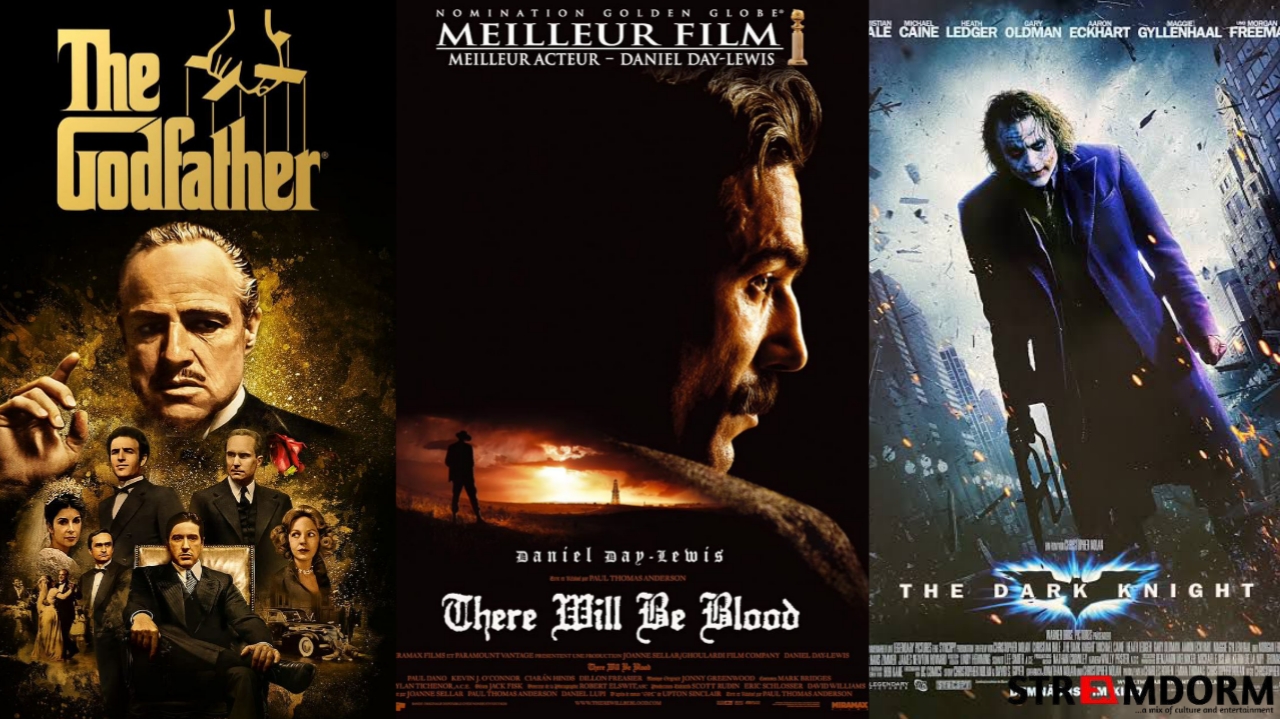
1. The Godfather (1972)
Director: Francis Ford Coppola
Theme: Power, legacy, loyalty, succession
The Godfather follows the Corleone family, one of the most powerful crime families in New York, led by Don Vito Corleone; a man whose influence is built not on chaos, but on respect, loyalty, and carefully negotiated relationships. Don Vito understands that real power is rarely loud; it is quiet, calculated, and deeply rooted in obligation.
As Don Vito’s health declines, attention shifts to his youngest son, Michael Corleone. Initially detached from the family business, Michael is gradually pulled into the world he once rejected. When external threats from rival families intensify, Michael makes a series of strategic decisions that transform him from a reluctant outsider into a ruthless leader.
By the film’s end, Michael has fully assumed control of the Corleone empire. He secures power and stability for the family but at the cost of his morality, emotional openness, and personal relationships.
The Godfather presents power as an inheritance that reshapes identity. It shows how influence is maintained through patience, silence, and long-term thinking, and how accepting power often means surrendering innocence.
No film explains the mechanics of power better; how it is earned, protected, transferred, and paid for.
2. Citizen Kane (1941)
Director: Orson Welles
Theme: Media power, ambition, control
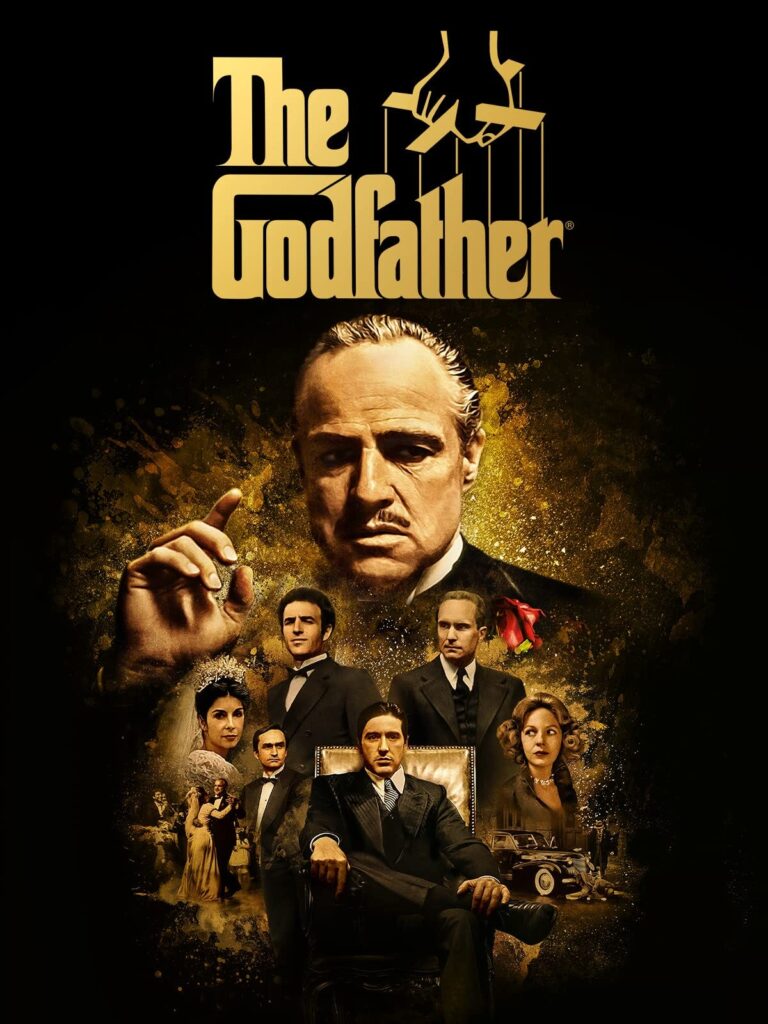
Citizen Kane chronicles the life of Charles Foster Kane, a newspaper magnate whose immense wealth allows him to shape public opinion on a national scale. The story unfolds through multiple perspectives as journalists attempt to decode the meaning of Kane’s final word: “Rosebud.”
As Kane builds his media empire, he uses newspapers as tools of influence; controlling narratives, manipulating public sentiment, and pursuing political power. His reach grows, but his personal life deteriorates. Relationships collapse under the weight of his ego and need for control.
Despite owning newspapers, mansions, and political leverage, Kane remains deeply unfulfilled. The film ultimately reveals that his hunger for influence was rooted in emotional loss.
Citizen Kane frames influence not as victory, but as illusion. It argues that shaping the world does not guarantee mastery over oneself.
It exposes the emotional emptiness that can exist behind absolute influence.
3. Scarface (1983)
Director: Brian De Palma
Theme: Ambition, fear-based power, excess
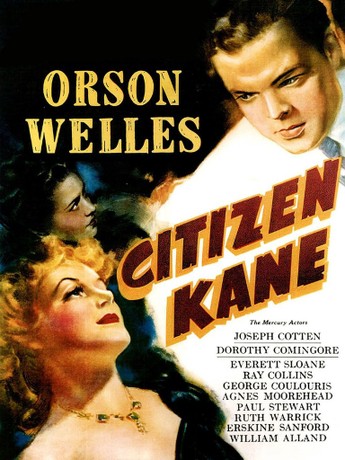
Scarface follows Tony Montana, a Cuban immigrant who arrives in Miami with nothing but ambition. Through violence, intimidation, and unfiltered desire, Tony rises rapidly within the drug trade, building an empire based on fear rather than loyalty.
Unlike structured power systems, Tony’s influence is unstable. As his wealth and reputation grow, so does his paranoia. He struggles to trust allies, refuses compromise, and reacts emotionally rather than strategically. His empire expands quickly but without discipline or restraint.
The film charts both Tony’s explosive rise and inevitable downfall, illustrating how power built purely on fear lacks durability. Tony does not lose power because he is weak; he loses it because he cannot manage it.
Scarface presents power as excess. Loud, reckless, and unsustainable.
It demonstrates how unchecked ambition turns influence into a weapon against oneself.
4. There Will Be Blood (2007)
Director: Paul Thomas Anderson
Theme: Capitalism, dominance, isolation
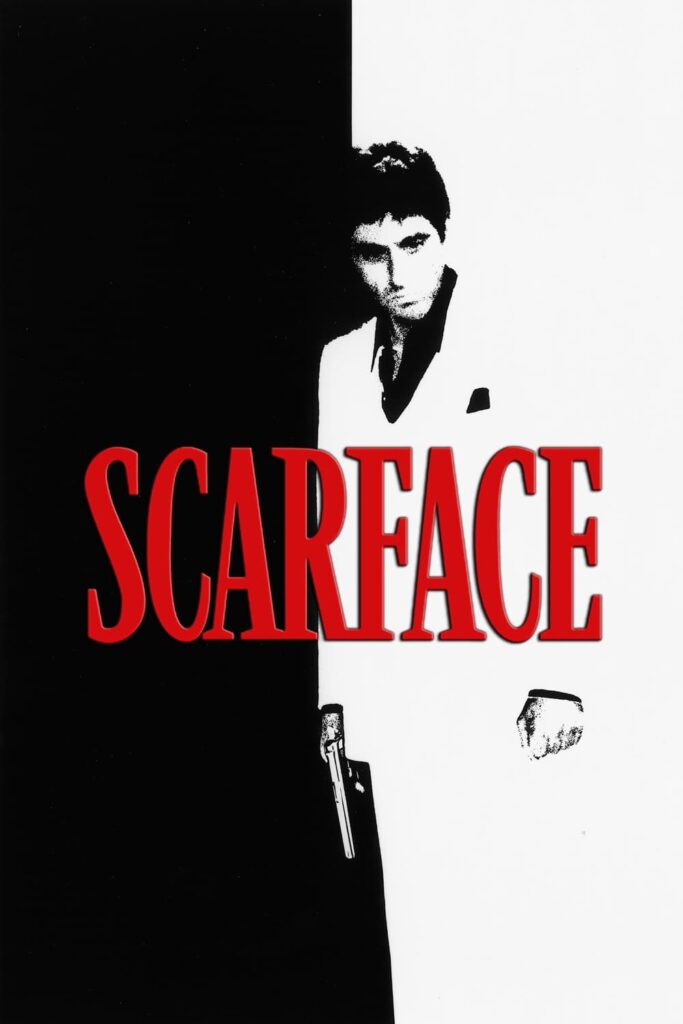
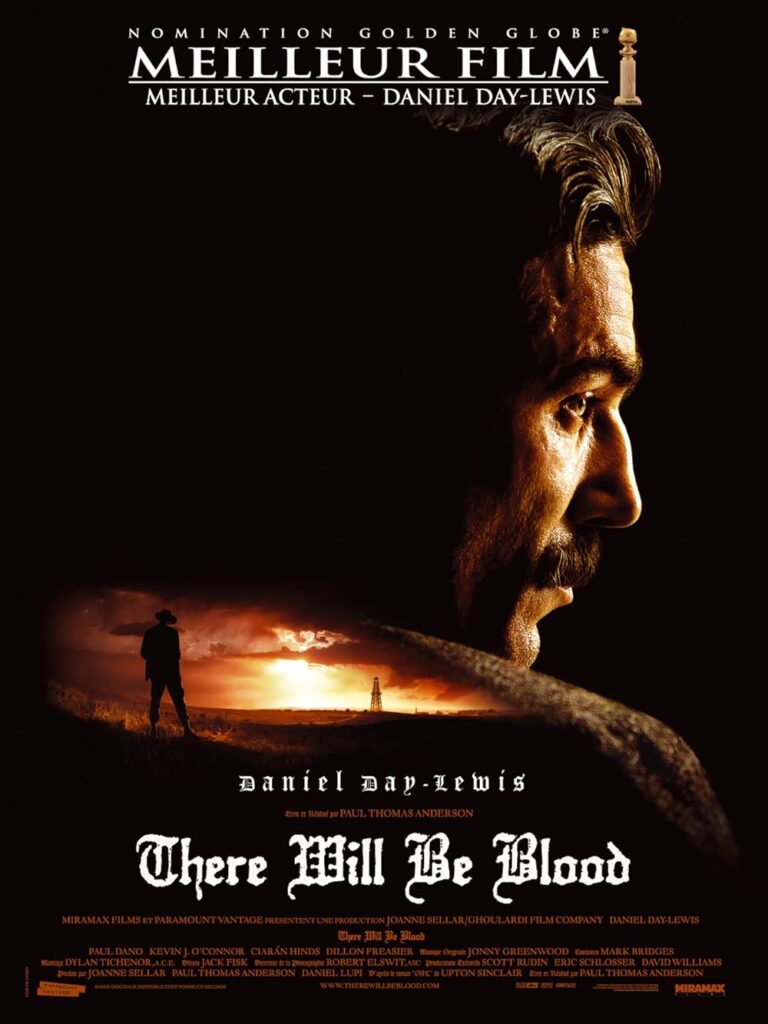
Set in early 20th-century America, There Will Be Blood centers on Daniel Plainview, an oil prospector whose pursuit of dominance is relentless. Plainview acquires land through manipulation, deception, and calculated charm, viewing people as obstacles or tools rather than partners.
As his wealth grows, his humanity diminishes. Relationships deteriorate, empathy disappears, and competition becomes personal obsession. Plainview’s power is not about public admiration; it is about control, superiority, and winning at any cost.
By the film’s conclusion, Plainview has achieved financial dominance but is completely isolated, emotionally hollow, and consumed by bitterness.
The film presents power as a corrosive force—one that does not explode outward, but eats away from within.
It portrays power as an obsession that strips away empathy, purpose, and connection.
5. The Dark Knight (2008)
Director: Christopher Nolan
Theme: Moral authority, chaos, symbolic power
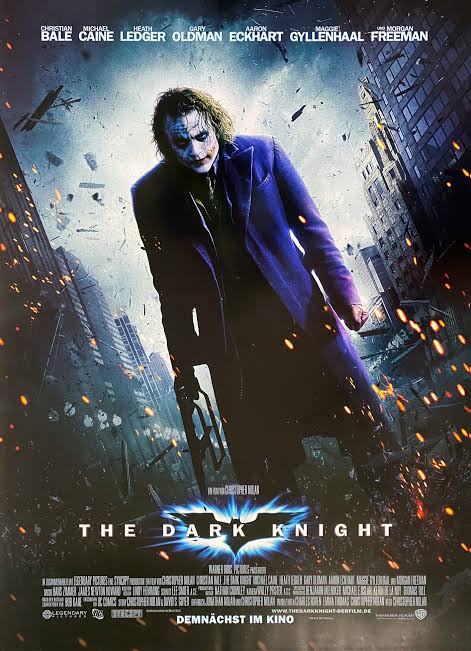
Though widely recognized as a superhero film, The Dark Knight is fundamentally a study of influence. Gotham City becomes a battleground of ideas rather than physical strength.
The Joker does not seek traditional power. Instead, he manipulates fear, uncertainty, and moral weakness to destabilize society. Batman represents authority through sacrifice, while Harvey Dent symbolizes public trust and institutional hope.
As the Joker’s influence spreads, Dent’s transformation exposes how fragile moral authority can be. The film argues that symbols of hope, fear, or justice can shape society more powerfully than laws or force.
The Dark Knight reframes power as belief. Whoever controls the narrative controls the city.
It proves that influence often exists in ideas, symbols, and fear.
Power is not inherently evil, but cinema repeatedly shows that it is rarely neutral. These films endure because their lessons apply beyond the screen to politics, business, media, and personal ambition.
Ultimately, they remind us that power may elevate status, but it often erodes the very things that make life meaningful.