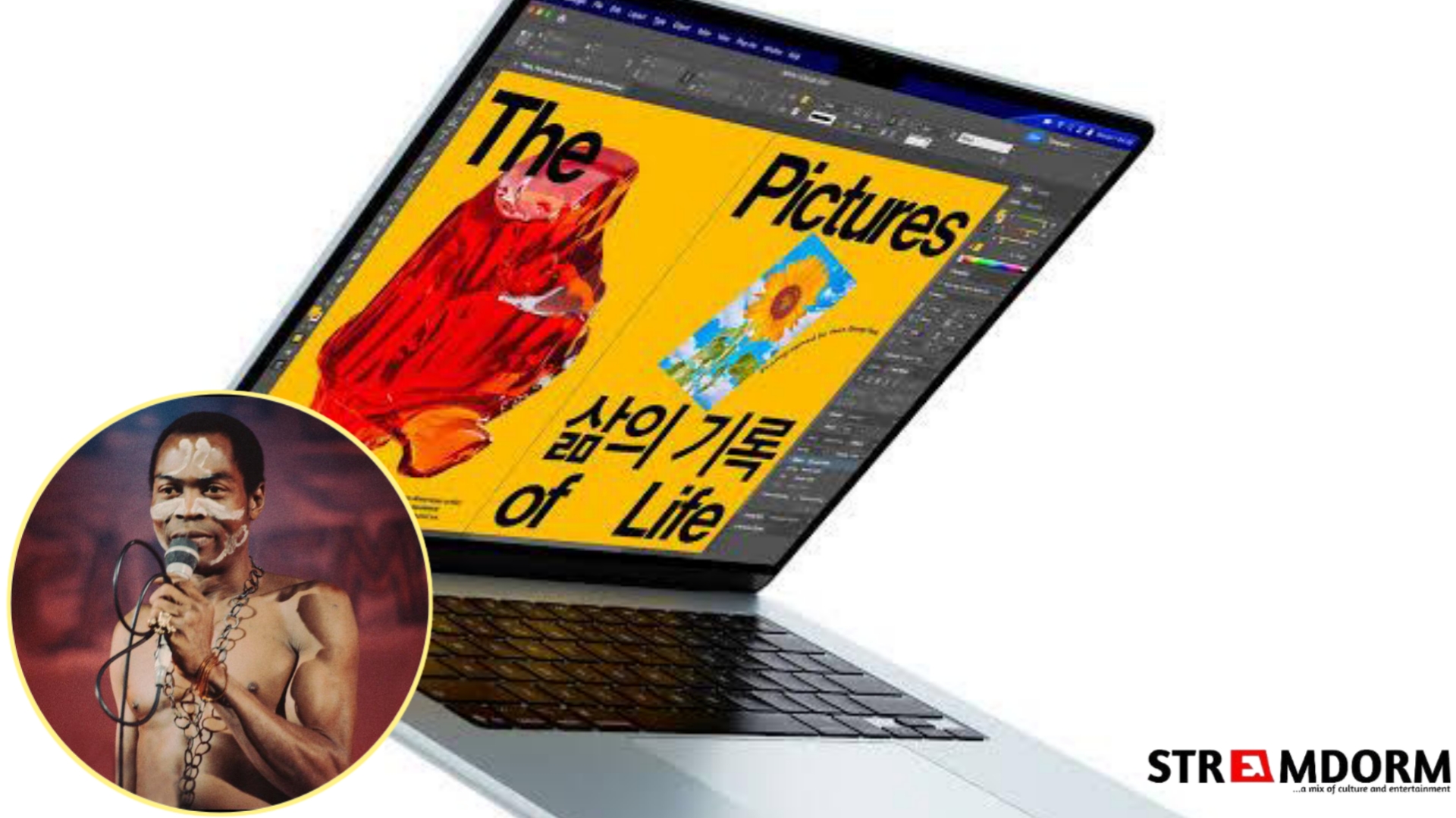
Apple Unveils MacBook Air M5 With Fela Kuti’s 1971 Classic “Let’s Start” Featured in Launch

Apple has officially unveiled a new generation of the MacBook Air powered by its latest M5 chip, introducing upgraded performance and expanded base storage to its most popular laptop line.

The new MacBook Air comes equipped with Apple’s M5 processor, delivering improved CPU and GPU performance over the previous generation. The company confirmed that the device maintains its fanless design while offering enhanced efficiency and extended battery life of up to 18 hours, depending on usage. Apple has also increased the base storage configuration to 512GB, doubling the previous entry-level capacity.

The laptop retains its slim aluminum build and Liquid Retina display and will be available in both 13-inch and 15-inch models. Pre-orders begin shortly after the announcement, with retail availability following days later in select markets.

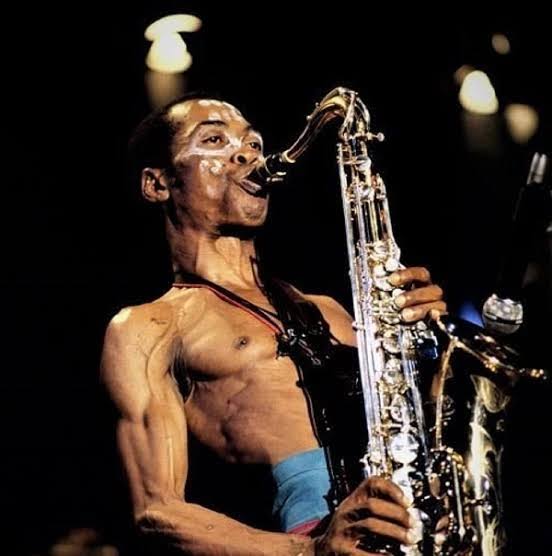
During promotional materials and launch visuals tied to the unveiling, Apple featured “Let’s Start,” the 1971 Afrobeat track by Fela Kuti. The song was originally performed by Fela and his band Africa ’70 and appeared on the live album Live! released in 1971. The track is widely regarded as one of the early recordings that helped define the Afrobeat genre.

“Let’s Start” is known for its extended instrumental structure and rhythmic arrangement, characteristic of Fela’s early 1970s sound. Its inclusion in the MacBook Air M5 launch marks a notable intersection between global technology branding and African musical heritage.

The inclusion of a foundational Nigerian record in a global product unveiling comes at a time when Nigeria’s digital and cultural markets are expanding their international footprint.

Nigeria remains one of Africa’s largest smartphone markets, with recent rebounds in device shipments and sustained demand in the premium segment despite broader price sensitivity. While mass-market brands dominate by volume, premium devices  including Apple products maintain strong aspirational appeal among urban and affluent consumers. At the same time, Nigeria’s youthful population and mobile-first economy continue to drive high levels of app usage, digital content creation, and online engagement.

Culturally, Nigerian music and film have become major global exports. Afrobeat, once niche, is now mainstream worldwide. Featuring “Let’s Start” in the MacBook Air campaign situates the product within that broader cultural momentum.

Apple has not issued a specific statement explaining the selection of the song. However, the timing aligns with Nigeria’s growing relevance in global technology consumption and its expanding influence across music, media, and digital culture.
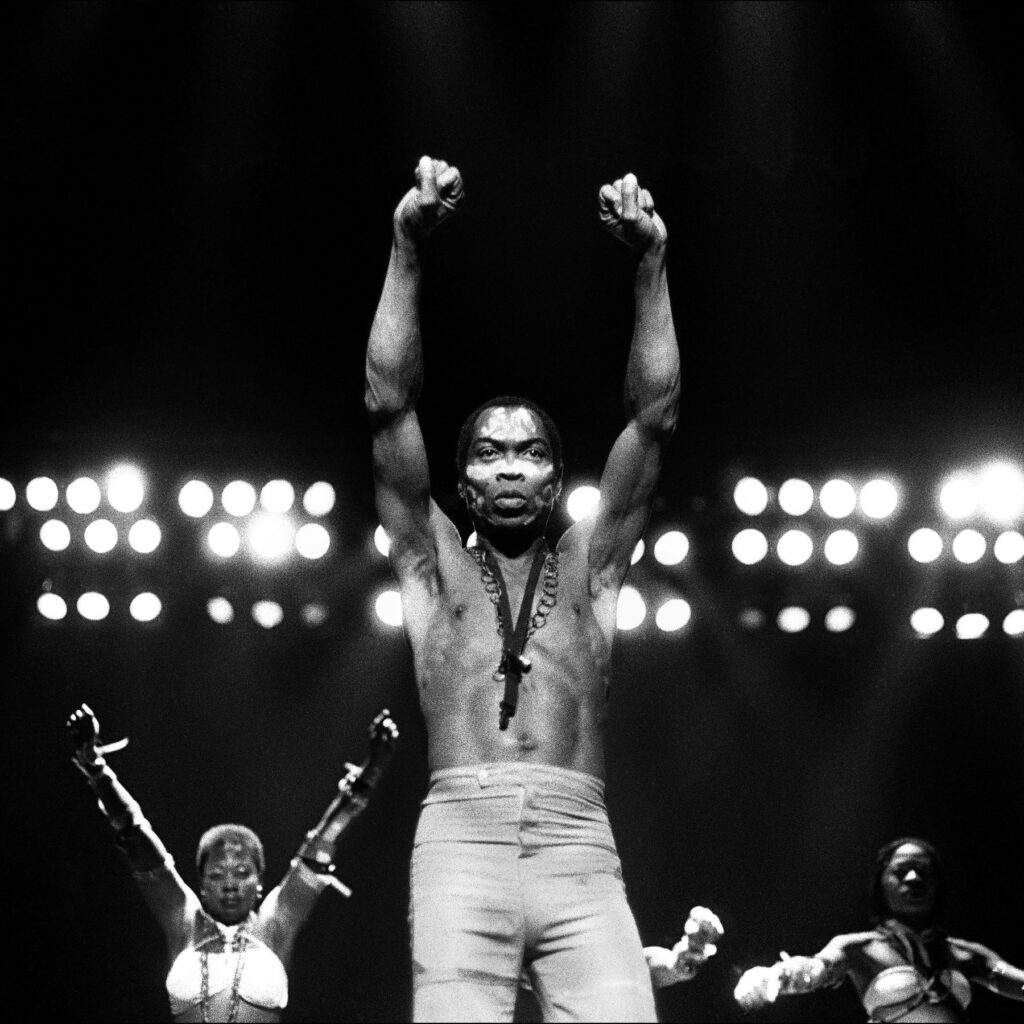
Fela Kuti Legacy: How Nigeria’s Afrobeat Legend Changed Music and Culture Forever

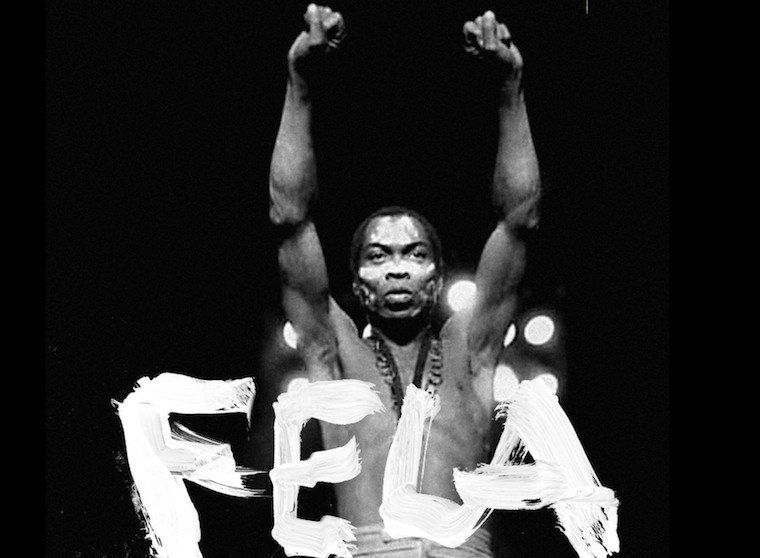
Fela Anikulapo Kuti, born in 1938 in Abeokuta, Nigeria, remains one of the most influential figures in African music and culture. Known as the pioneer of Afrobeat, Fela’s life was a blend of revolutionary music, outspoken activism, and fearless challenges to political authority. Even decades after his passing in 1997, his legacy continues to resonate across music, politics, and African identity.

The Birth of Afrobeat

Fela Kuti’s journey into music began at a young age. Raised in a politically active family; his mother, Funmilayo Ransome-Kuti, was a feminist and activist. Fela was exposed early to the struggles of ordinary Nigerians. He studied music in London at the Trinity College of Music, where he learned classical piano and trumpet. But it was upon his return to Nigeria that he fused traditional African rhythms with jazz, funk, highlife, and soul to create Afrobeat.

Afrobeat was more than a music genre; it was a vehicle for social commentary. Through extended compositions, intricate horn sections, and polyrhythmic percussion, Fela delivered sharp critiques of corruption, military rule, and social injustice in Nigeria and across Africa. Hits like “Zombie” and “Sorrow, Tears and Blood” were not only musical masterpieces but also acts of resistance.

Activism and Political Influence

Fela’s music was inseparable from his activism. His lyrics openly criticized Nigeria’s military regimes and exposed the harsh realities of life under oppressive governments. His Kalakuta Republic commune served as both a home and a political haven, where artists, musicians, and activists collaborated to resist authoritarianism.

Fela endured repeated arrests, raids, and physical assaults. Despite this, he remained steadfast, using his international fame to draw global attention to Nigeria’s political struggles. His activism inspired countless musicians and activists worldwide to use art as a tool for social change.

Cultural Impact

Beyond music and politics, Fela Kuti reshaped African cultural identity. He challenged colonial mindsets by promoting African traditions, attire, and language in his performances. His stage shows were theatrical, often including dancers, elaborate costumes, and improvisational elements that celebrated African heritage.

Today, Fela’s influence is evident in the global rise of Afrobeat, which has evolved into a worldwide phenomenon. Artists such as Burna Boy, Wizkid, and Tiwa Savage credit Fela as a major inspiration. The genre has also crossed borders, influencing international musicians from Beyoncé to Major Lazer, bridging African sounds with global pop culture.

Fela Kuti’s Family Legacy

Fela’s legacy extends through his family, many of whom are accomplished artists and activists. His children, including Seun Kuti and Femi Kuti, continue to perform Afrobeat with the same political passion. The Fela Shrine in Lagos, now a museum and live music venue, keeps his memory alive, drawing fans from across the world to celebrate his music and message.

Fela’s life and impact have been immortalized through multiple mediums. The Broadway musical Fela! brought his story to international audiences, combining music, dance, and storytelling. Documentaries, films, and books continue to explore his influence, while Nigerian festivals and global Afrobeat events celebrate his contributions annually.

Fela’s fearless stance against injustice, combined with his artistic genius, created a blueprint for generations of musicians and activists. His influence on culture, politics, and music remains unparalleled, making him a symbol of resistance, creativity, and African pride.

Fela Kuti’s relevance persists because the struggles he highlighted; corruption, inequality, and political oppression still exist. His life reminds us of the power of art as a force for change and the importance of staying true to one’s convictions. In an age where African music dominates global charts, remembering Fela ensures that the roots of this cultural revolution are not forgotten.

Fela Kuti’s legacy is a reminder that music is more than entertainment; it can be a catalyst for awareness, unity, and transformation. His story is a call to celebrate African heritage, challenge injustices, and inspire future generations to use their voices boldly and not to be chasing unnecessary clout on social media.

Wizkid Breaks Silence, Fires Back at Seun Kuti as Long-Running Saga Explodes on Social Media

What started as a warning directed at a fanbase has now turned into a full-blown clash between two of Nigeria’s most influential musical legacies.

The long-running tension between Seun Kuti and Wizkid FC officially crossed a new line after Wizkid broke his silence on social media, responding directly to the controversy for the first time. But this moment did not come out of nowhere.

It began weeks earlier with a pointed message from Seun Kuti; one that reignited debates around Fela Kuti’s legacy, celebrity worship, and fan culture in Nigeria.

The saga began when Seun Kuti publicly warned Wizkid FC to stop invoking Fela Anikulapo Kuti’s name in online debates and fan-driven arguments.

In his message, Seun made it clear that:

  • Fela’s legacy should not be used as ammunition in fanbase wars
  • Activism, resistance, and cultural critique should not be reduced to internet banter
  • His father’s name carried historical and political weight beyond pop culture arguments

The post quickly gained traction and was widely interpreted as a direct response to Wizkid fans who had repeatedly referenced Fela while defending the superstar against criticism.

While Wizkid himself did not respond at the time, Wizkid FC took the message personally, triggering days of online back and forth, insults, and ideological arguments.

Throughout this period, Wizkid remained silent, allowing the storm to play out between Seun Kuti and his fanbase.

That silence ended abruptly. This comes after Seun Kuti released another video hammering on Wizkid FC and stating that Wizkid didn’t care about them and that is why he is yet to say anything about the ongoing saga. 

In a series of posts on X (formerly Twitter), Wizkid has started tweeting about the controversy and reposting tweets that talk about Seun Kuti, firing back in an unusually emotional and confrontational tone.

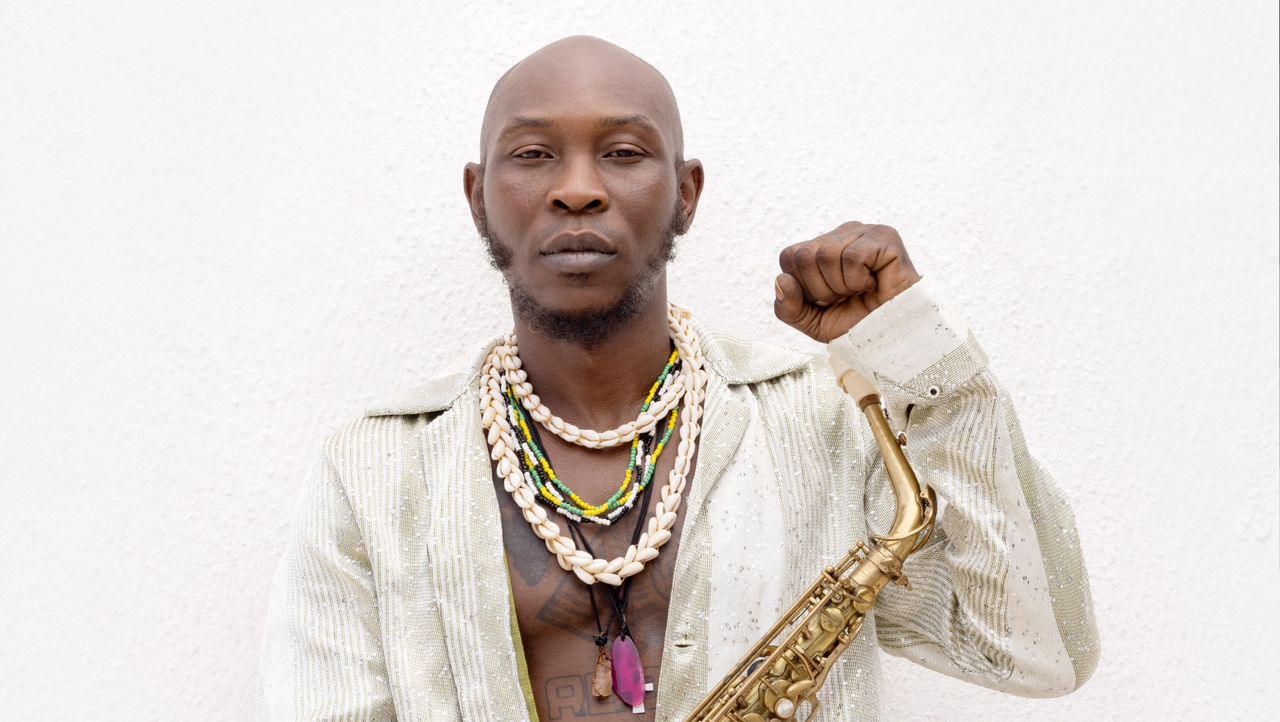
“Keep Fela’s Name Out of Your Mouth.”Seun Kuti Sends Strong Message to Wizkid FC & Fans Amid “New Fela” Debate

Nigerian Afrobeat musician Seun Kuti has sparked fresh controversy on social media after he publicly admonished fans of global pop star Wizkid, particularly members of Wizkid FC for comparing the award‑winning artist to his late father, Afrobeat pioneer Fela Anikulapo Kuti.

According to reports and the widely shared video circulating online, Seun delivered a pointed message in his video addressing what he described as an inaccurate and disrespectful narrative about Wizkid or any other artist being the “new Fela.” 

Wizkid FC needs to keep Fela’s name out of their mouth. You people try to steal the man’s image. You try to claim your fake artiste is the new Fela. It’s an insult to Fela to call Wizkid the new Fela. Wizkid FC are the most ignorant fanbase in the world.”

In recent weeks, debates have flared online around whether modern Nigerian stars like Wizkid should be celebrated in the same vein as Fela. Some fans and social media users beyond just Wizkid FC have jokingly or seriously heralded Wizkid’s success as being “on par” with Fela’s cultural legacy. 

Seun’s message appears to draw a clear boundary between the politically charged Afrobeat legacy of his father and the commercial, global pop success of today’s Afrobeats artists particularly those who lean into mainstream sound and international collaborations. In calling out comparisons to Fela, Seun reiterated that Fela’s legacy was rooted in socio‑political resistance and cultural revolution, which he implies cannot be easily equated with modern pop stardom. 

Seun Kuti, who has long positioned himself as a guardian of Afrobeat’s original spirit, has spoken publicly on similar themes in the past, including debates about Grammy nominations and how modern artists are compared to legacy figures.

Fela Anikulapo Kuti

 Fan Reactions

The response online has been mixed and often heated:

  • Some social media users support Seun, praising him for defending Fela’s legacy and rejecting comparisons that feel shallow or forced. 
  • Other fans argue that celebrating Wizkid’s achievements doesn’t diminish Fela’s impact, and that music can evolve without erasing history. 

Whether fans agree with Seun or not, the viral video has reignited a significant cultural debate. It isn’t simply about fandom, it’s about how legends are remembered, how new talent is honored, and how different eras of music influence each other without losing their identity.

Fela’s legacy remains monumental.  A revolutionary sound rooted in resistance. Wizkid’s success represents global Afrobeats reaching new audiences.

What are your thoughts?

See Video

Scroll to Top