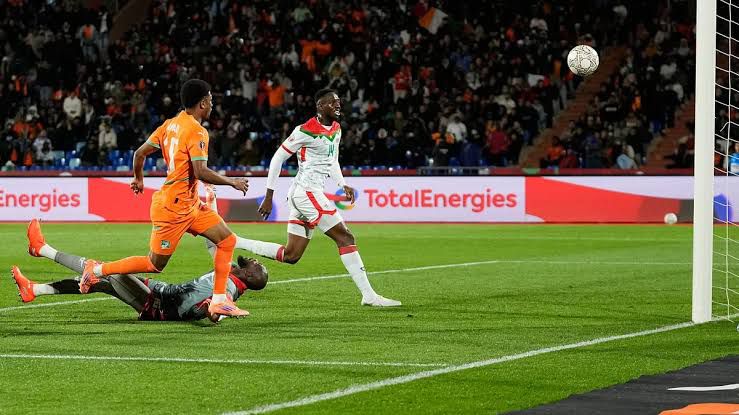
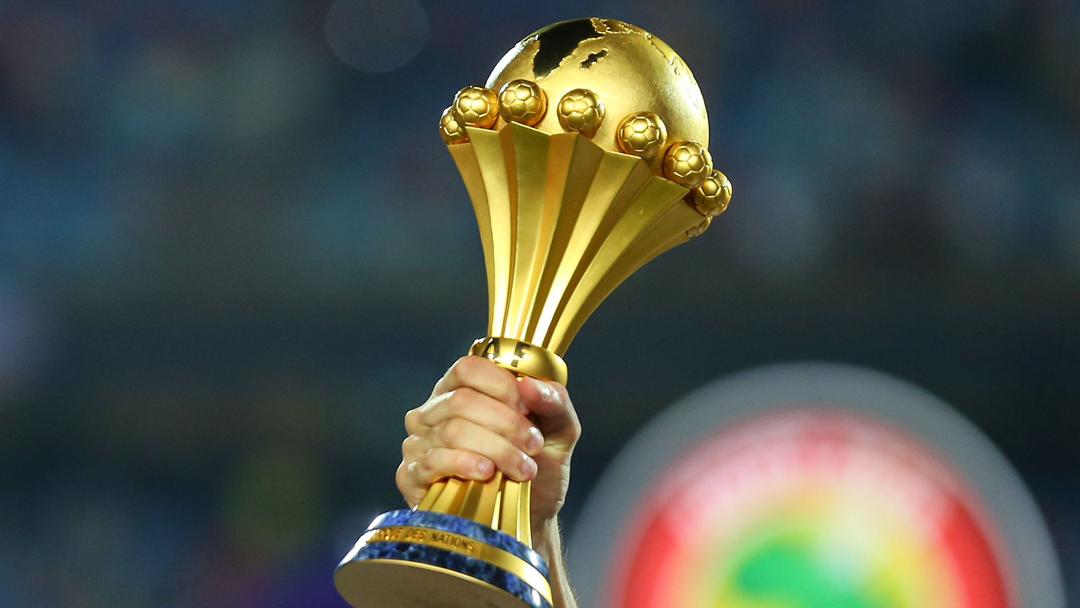
Ivory Coast booked their place in the AFCON 2025 quarterfinals with a convincing 3–0 victory over Burkina Faso, delivering one of their most complete performances of the knockout stage.
The Elephants set the tone early and never relinquished control, combining attacking precision with defensive discipline to overwhelm their West African rivals.
Ivory Coast 3–0 Burkina Faso
Ivory Coast opened the scoring in the 20th minute when A. Diallo finished clinically to give his side an early advantage.
Momentum stayed firmly with the hosts, and just 12 minutes later, Y. Diomande doubled the lead in the 32nd minute, capitalising on sustained pressure to leave Burkina Faso chasing the game before halftime.
Burkina Faso struggled to find a response in the second half as Ivory Coast managed the contest effectively. Any remaining doubt was put to rest late on when B. Touré struck in the 87th minute, sealing a dominant win and confirming progression into the quarterfinals.
Match Summary
Ivory Coast 3–0 Burkina Faso
Goals:
A. Diallo (20′)
Y. Diomande (32′)
B. Touré (87′)
AFCON 2025 Quarterfinalists So Far
With January 6 action completed, the confirmed teams in the last eight include:
Senegal
Mali
Morocco
Cameroon
Egypt
Nigeria
Ivory Coast
The remaining Round of 16 fixture(s) will determine the final quarterfinal lineup.
The Africa Cup of Nations (AFCON 2025) served up another intense round of fixtures on December 24, as four nations Burkina Faso, Algeria, Ivory Coast, and Cameroon picked up crucial victories that immediately shift the tone of their group campaigns.
From late drama to composed finishes, the day highlighted how quickly momentum can change in tournament football.
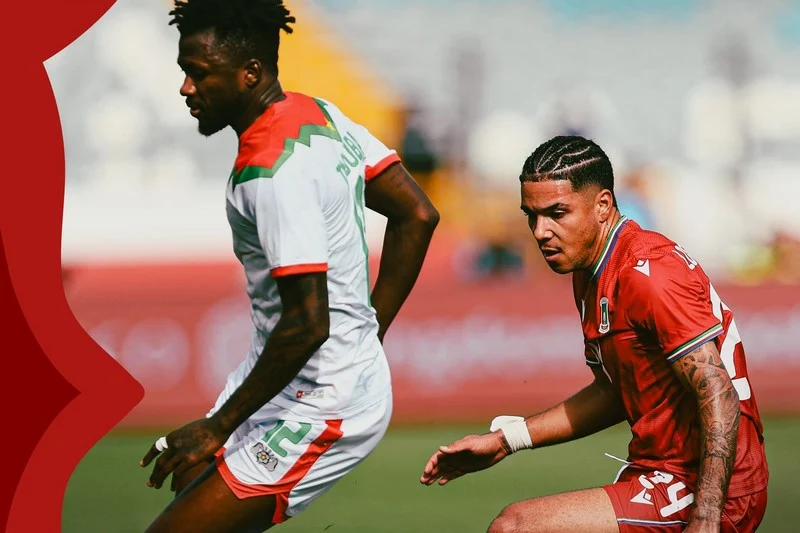
Burkina Faso 2–1 Equatorial Guinea
Burkina Faso produced the most dramatic moment of the day, sealing a 2–1 comeback win in the dying minutes. Equatorial Guinea looked set for all three points until the Stallions flipped the script in stoppage time.
A 95th-minute equaliser sparked the turnaround, before a towering late header completed the comeback. The result instantly places Burkina Faso among the teams to watch, not just for points but for mentality.
Algeria 3–0 Sudan
Algeria were the most dominant side of the matchday, claiming a 3–0 win over Sudan with confidence and control from start to finish.
A brace from Riyad Mahrez set the tempo, before a late third goal wrapped up the performance. Sudan struggled to contain Algeria’s midfield rotations and wide combinations, allowing the North African giants to start fast in their group.
Ivory Coast 1–0 Mozambique
Reigning champions Ivory Coast opened their title defence with a 1–0 win against Mozambique, choosing efficiency over spectacle. The Elephants controlled key moments rather than the full tempo of the match, and a second-half strike made the difference.
Mozambique defended bravely and forced Ivory Coast into careful build-up play, but the champions’ composure in decisive moments held firm.
Cameroon 1–0 Gabon
Cameroon joined the winners’ column with a 1–0 win against Gabon, in a match defined by discipline rather than chaos. The Indomitable Lions capitalised on their best chance of the game and then managed the rhythm well enough to close out the result.
Gabon had opportunities of their own but lacked the precision needed in the final third.
Burkina Faso has suspended the Target Malaria project, halting the release of genetically modified mosquitoes. Here’s why the decision was made, how the technology works, and what it means for Africa’s malaria fight.
Burkina Faso Suspends GM Mosquito Project
Burkina Faso has suspended all activities of the Target Malaria project, a Bill & Melinda Gates Foundation–backed initiative that was testing genetically modified (GM) mosquitoes to curb malaria transmission.
The Ministry of Higher Education, Research, and Innovation issued the suspension order on August 18, 2025, halting trials and sealing off facilities where GM mosquitoes were being bred. Remaining insects are set to be destroyed under biosafety protocols.
This move is seen as a major setback for biotechnology’s role in malaria control, especially as Africa continues to account for more than 95% of global malaria deaths each year.
What Is the GM Mosquito Project?
The GM mosquito project is a scientific effort to fight malaria by altering mosquito populations. There are two main strategies:
Sterile or self-limiting males (non–gene drive): Male mosquitoes are engineered with a genetic trait that prevents female offspring from surviving. Over time, this reduces the mosquito population.
Gene drive mosquitoes (still in development): Using CRISPR gene editing, scientists insert traits that spread quickly through wild populations. These traits could make mosquitoes resistant to malaria parasites or cause female infertility, breaking the cycle of transmission.
African Countries Testing GM Mosquitoes
While Burkina Faso was a pioneer, it is not the only African country exploring genetically engineered mosquitoes:
Burkina Faso: First release in 2019 of sterile Anopheles gambiae males under Target Malaria.
Djibouti (2024–2025): Pilot release of Oxitec’s “Friendly™” Anopheles stephensi mosquitoes to combat urban malaria outbreaks.
Ghana and Uganda: Ongoing lab research under Target Malaria, but no field releases yet.
Tanzania: Transmission Zero project preparing future gene drive trials.
Why Did Burkina Faso Suspend the Project?
Despite initial regulatory approvals, Burkina Faso pulled the brakes for several reasons:
Public Opposition: Civil society groups argued there was a lack of transparency and genuine community consent.
Scientific Concerns: Independent studies raised issues about genetic stability, hybridization with wild species, and potential unintended ecological impacts.
Ethical Questions: Critics said the project offered no immediate health benefits to communities and risked using them as experimental grounds.
The suspension underscores the need for caution, independent review, and stronger community engagement before advancing such high-risk biotechnology in Africa.
What This Means for Malaria Control in Africa
Burkina Faso’s decision puts Africa at a crossroads. While countries like Djibouti continue to test GM mosquitoes, the suspension raises questions about safety, ethics, and public trust.
As malaria remains one of Africa’s deadliest diseases, the challenge is finding the right balance between innovation and precaution. Whether genetically modified mosquitoes become part of the continent’s malaria toolkit will depend on how governments, scientists, and communities navigate these concerns in the years ahead.