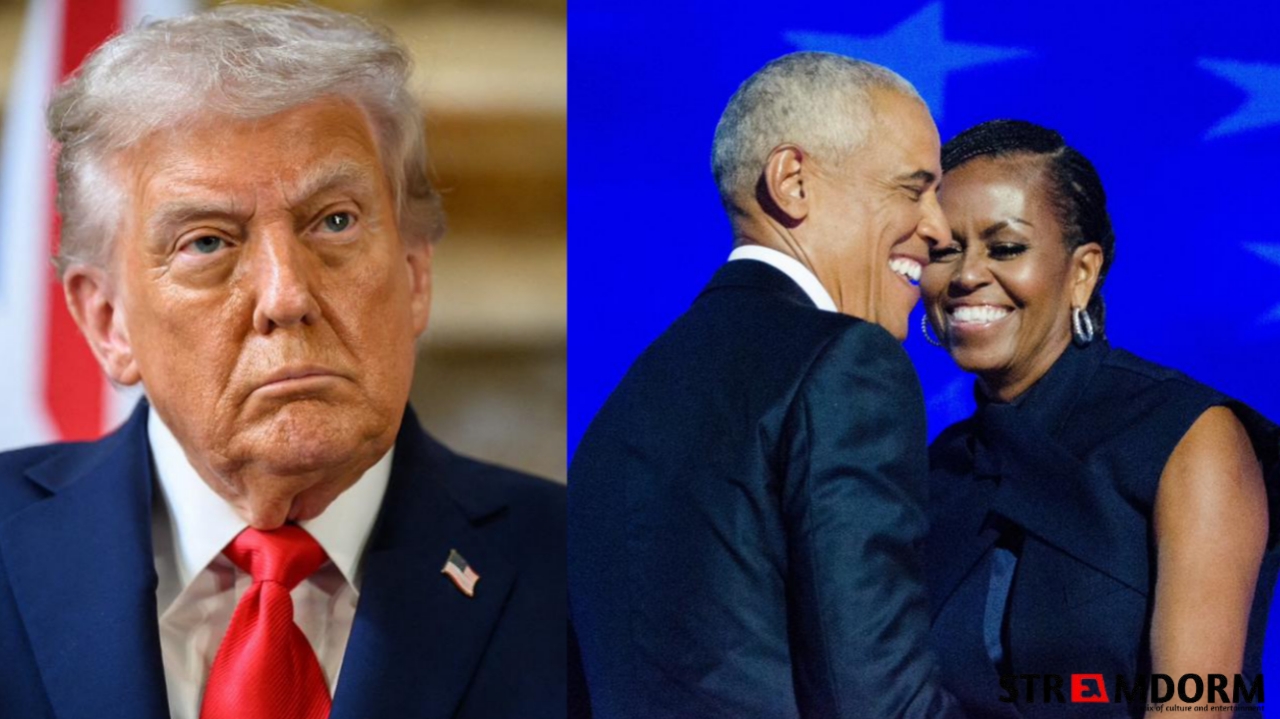
U.S. President Donald Trump has come under intense criticism after sharing a controversial AI-generated video on his social media platform, Truth Social, that included a brief segment depicting former President Barack Obama and former First Lady Michelle Obama as apes. The post has sparked widespread backlash from political figures, media commentators, and social media users who described the imagery as offensive and racially insensitive.
The video was reportedly part of a longer political montage that included commentary about U.S. politics and repeated disputed claims surrounding the 2020 presidential election. According to multiple reports, the AI-altered segment featuring the Obamas appeared briefly toward the end of the clip and circulated quickly online after Trump shared it publicly.
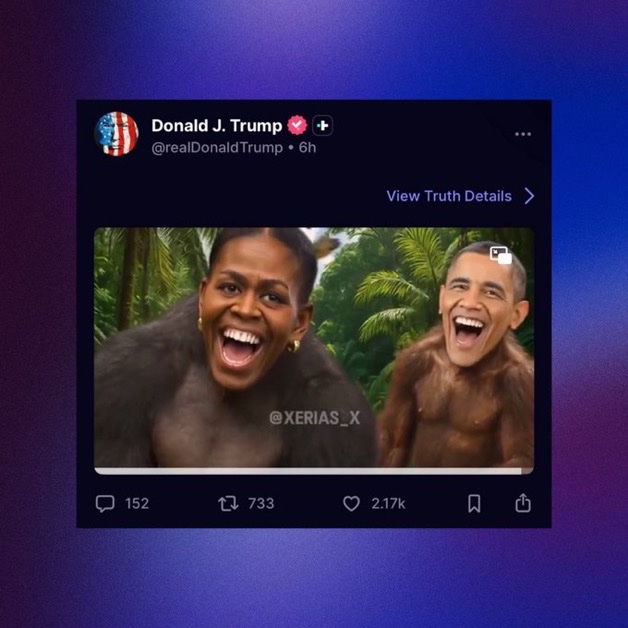
The reaction to the video was swift and largely critical. Many observers condemned the imagery for invoking historically racist tropes that have long been used to dehumanize Black individuals. Critics argued that sharing such content contributes to harmful narratives and fuels political hostility.
California Governor Gavin Newsom was among prominent figures who publicly criticised the post, calling the content “disgusting” and urging stronger accountability from political leaders and public figures. Other commentators across the political spectrum also expressed concern over the spread of AI-generated misinformation and the ethical boundaries of political content shared online.
On social media platforms, reactions ranged from outrage to concern about how AI technology is being used in political messaging. Some users warned that manipulated visuals and deepfake-style edits may increase confusion and deepen divisions during election cycles and political debates.
The controversy highlights growing worries about the role of artificial intelligence in political communication. Experts have noted that AI-generated videos can make it difficult for viewers to distinguish satire, manipulation, and factual content especially when shared by influential figures with large followings.
This is not the first time Trump has been criticised for sharing edited or AI-generated political material, though the current incident has drawn particular scrutiny because of the racial implications associated with the imagery used.
The incident has reignited discussions about responsible online behaviour by political leaders and the ethical limits of digital satire and political messaging. Analysts say controversies like this underscore the need for clearer standards on AI content and stronger public awareness about how manipulated visuals can shape political narratives.
As of the latest reports, there has been no official response from Barack or Michelle Obama regarding the video. (Note: This detail may change as reactions continue to develop.)